How to Design a Kitchen That is Easier to Clean and Maintain
A beautiful kitchen should be more than just aesthetically pleasing. It should simplify everyday cooking, cleaning, and organization!
Since the kitchen is constantly exposed to food spills, grease, moisture, and constant traffic, a thoughtful design can significantly cut down on cleaning time and effort. This guide highlights valuable tips for designing a kitchen that is not only beautiful and functional, but also low-maintenance.
Choose Low-Maintenance Surfaces
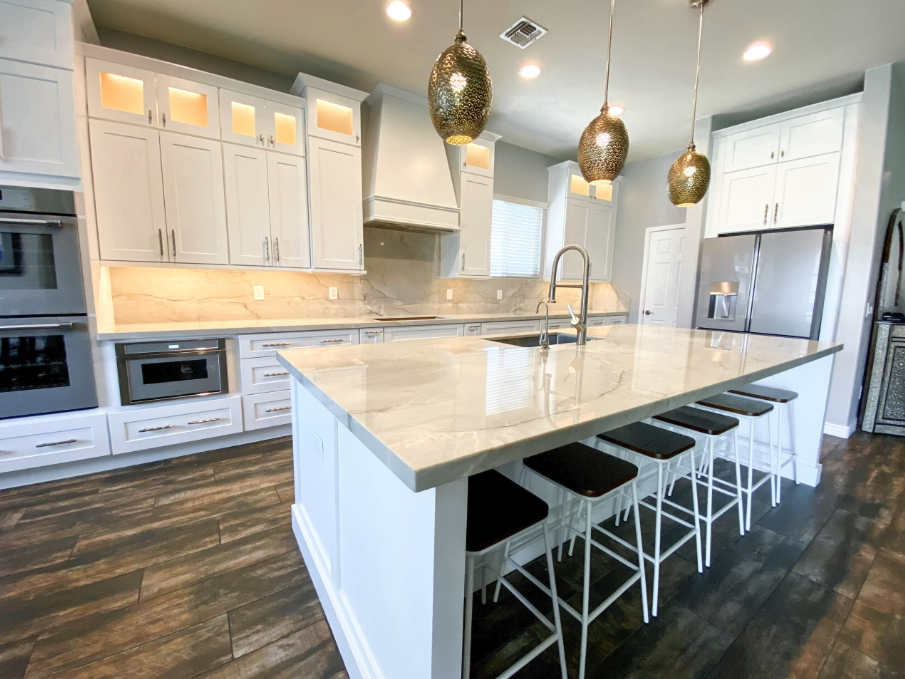
Start with surfaces that can withstand the daily grind without requiring hours of scrubbing. For floors and backsplashes, consider durable options like porcelain or ceramic. Large tiles are also a great choice as they minimize grout lines where crumbs, grease, and moisture can accumulate.
When choosing countertops, make sure to balance appearance with practicality. While natural stone can be stunning, different materials have different maintenance needs. Granite, for instance, is generally lower maintenance than marble, which is more susceptible to etching and staining.
Design Cabinets Around Easy Cleaning
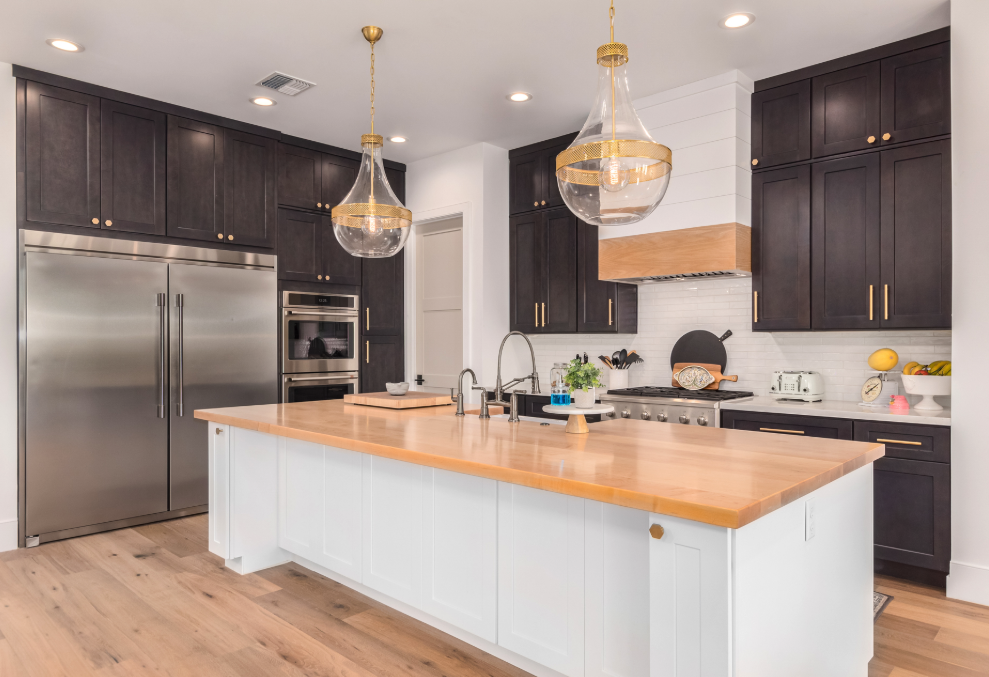
Cabinet design has a surprising impact on kitchen maintenance. Flat or sleek cabinet fronts have fewer grooves and edges, which tend to trap dust and grease. Handle-free or minimal hardware can create a cleaner aesthetic and fewer surfaces to wipe.
Smart storage also plays a crucial role. Having designated spots for appliances, cookware, and food items helps keep countertops clear and easier to maintain. The goal is to create a kitchen where it’s convenient to put things away.
Optimize the Layout for Efficiency
A well-planned layout can significantly reduce mess by making daily tasks more streamlined. Position your sink, refrigerator, and cooktop so that movement between them is natural. Ensure you have ample counter space for food preparation next to the sink and countertop.
This is especially beneficial during a kitchen remodel in Scottsdale, where you may have the opportunity to rethink an inefficient layout rather than just replacing finishes. Planning the workflow ahead of time can result in a kitchen that’s easier to use and maintain for years to come.
Make Cleaning Part of the Design
Small details can make a huge difference in kitchen design. Choose an easy-to-wipe backsplash, install good ventilation to combat cooking odors and grease, and select flooring that can handle frequent sweeping and mopping. A convenient trash and recycling system can also speed up cleanup. Also, keeping cleaning supplies within easy reach can ensure spills are wiped up before they become stubborn stains.
Keep Clutter in Check
Even a low-maintenance kitchen can become a chore if every surface is covered with appliances and accessories. Appliance garages, deep drawers, pull-out organizers, and a well-planned pantry can help keep frequently used items accessible yet out of the way. Reducing countertop clutter not only speeds up daily wiping but also contributes to a more organized and relaxing atmosphere.
Endnote
The easiest kitchen to maintain is one that is designed around real daily habits. Durable surfaces, practical storage, an efficient layout, and easy-to-clean finishes can work together to reduce household chores without sacrificing style. By considering maintenance from the beginning of a renovation, homeowners can create a kitchen that remains attractive, functional, and manageable long after the remodeling work is complete.