Why Choose a Corner Lounge to Maximise Your Living Room Space?
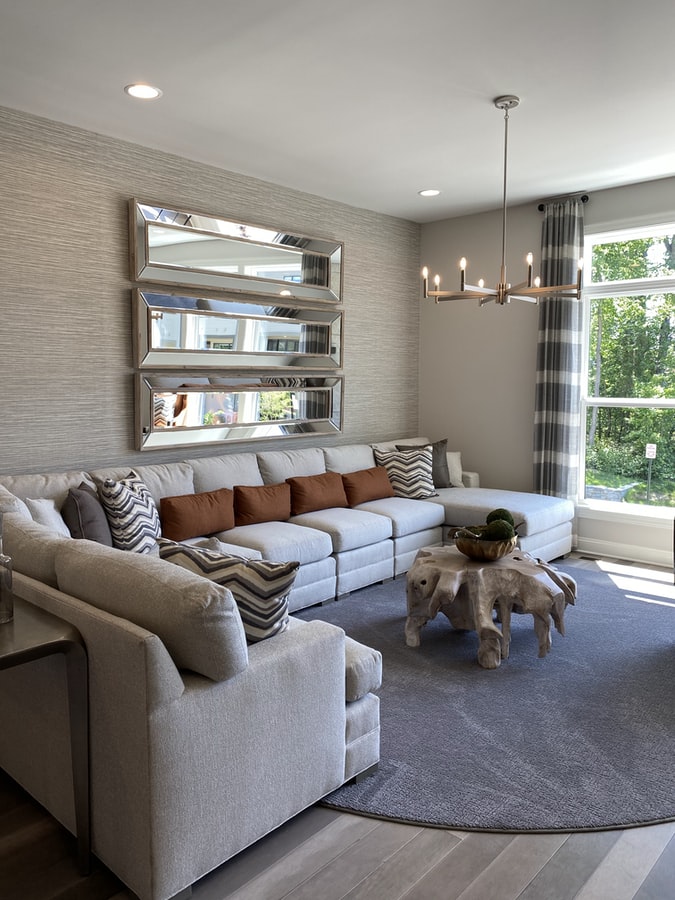
A living room can quickly feel crowded when every piece of furniture competes for the same floor space. The challenge becomes greater when generous seating is needed without sacrificing room to move!
A corner lounge can solve this layout problem by using an often-overlooked part of the room while providing a comfortable area for relaxing, entertaining and watching television. For anyone considering a corner lounge in Perth, the key is to choose a design that suits the room’s dimensions and supports the way the space is used.
Why Corner Lounges Work Well in Living Rooms
Corner lounges are designed to occupy two adjoining sides of a room, making use of floor space that may otherwise remain unused. Their L-shaped structure can provide several seats without requiring separate sofas and chairs to be positioned around the room.
This arrangement can also create a clear seating zone. Instead of having furniture scattered across the floor, the corner lounge establishes a defined area for conversation or relaxation.
How to Choose the Right Corner Lounge for Your Space
Measure the Living Room Before Buying
Measurements should come before browsing styles or colours. Record the length of each wall where the lounge may sit, then check the position of doors, windows, power points and existing furniture.
Check the product dimensions carefully, including the overall width, depth and height. Remember to measure doorways, hallways and stairways if the furniture needs to be carried through the home.
Consider the Lounge Configuration
The direction of the corner section can have a major effect on the room’s layout. Some designs have a fixed left-hand or right-hand configuration, while others offer reversible options.
Think about where the chaise or extended section will sit in relation to the entertainment unit, windows and main entrance. The best position is one that supports the room’s natural flow rather than interrupting it.
Select a Suitable Size
A corner lounge does not need to fill an entire wall to provide useful seating. In a compact room, a smaller design can leave enough open floor space for movement. A larger living area may accommodate a deeper or longer lounge without making the room feel cramped.
Consider how many people normally use the room and choose the seating capacity accordingly.
Pairing a Corner Lounge with the Right Furniture
The furniture surrounding a corner lounge should support the seating arrangement rather than compete with it. A coffee table, for example, needs to be large enough for everyday items but positioned with sufficient space between the table and seating.
When choosing a coffee table, consider its shape in relation to the lounge. Round or oval tables can work well with L-shaped seating because they have softer edges and can make movement around the room easier. Rectangular tables may suit longer lounge configurations, provided there is enough clearance.
Side tables, floor lamps and entertainment units can also add useful functions without requiring excessive floor space.
How to Make a Small Living Room Feel More Spacious
Open floor space can make a noticeable difference in a compact living room. Instead of filling every available corner, focus on furniture that serves a clear purpose. Choose pieces with proportions suited to the room and avoid combining several bulky items.
Keeping pathways clear is equally important. A practical layout should allow people to walk between the main entrance, seating and other frequently used areas without having to weave around furniture.
Common Mistakes to Avoid
The right corner lounge can improve the layout, but poor planning can have the opposite effect. Avoid these common mistakes:
- Skipping Measurements: Guessing the available space can result in furniture that blocks pathways or feels oversized.
- Ignoring the Configuration: A chaise positioned on the wrong side can interfere with doors, windows or other furniture.
- Choosing an Oversized Table: A coffee table that takes up too much floor space can make movement around the lounge uncomfortable.
- Overfilling the Room: Adding chairs, cabinets and side tables without considering available space can create unnecessary clutter.
- Forgetting Everyday Use: A lounge should suit how the household actually relaxes, entertains and moves around the room.
Conclusion
Maximising living room space is less about fitting in as much furniture as possible and more about choosing pieces that work together. A well-sized corner lounge can provide generous seating while making sensible use of an otherwise underused area. Careful measurements, the right configuration and suitable supporting furniture can help create a room that feels organised and comfortable without looking overcrowded.
Frequently Asked Questions
Are corner lounges suitable for small living rooms?
Yes. A suitably sized corner lounge can provide ample seating while reducing the need for several separate chairs or sofas.
How should a corner lounge be positioned in a living room?
Position it where the corner section makes good use of the available walls without blocking doors, windows or main walkways.
What size coffee table works with a corner lounge?
The coffee table should be proportionate to the lounge and leave comfortable clearance for people to move between the table and seating.
What should be considered when choosing a corner lounge?
Consider room measurements, seating requirements, lounge configuration, comfort, available floor space and how the furniture will interact with existing pieces.
How can a corner lounge be styled without overcrowding the room?
Keep accessories purposeful and avoid adding furniture simply to fill empty areas. A few cushions, a throw, a suitable table and well-positioned lighting can provide useful finishing touches without taking over the room.