Decluttering Before a Move: What to Keep, Donate, Sell, or Throw Away

Decluttering before a move is the perfect opportunity to lighten your load and decide what truly deserves a place in your new home.
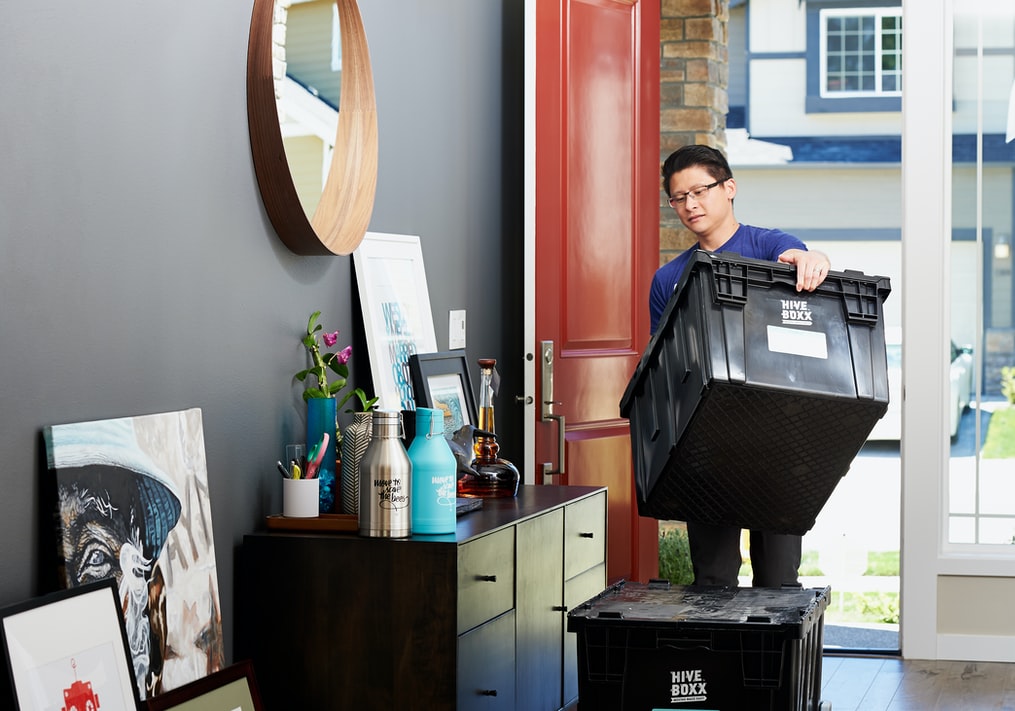
Every move turns into an audit of your own life choices, whether you want it to or not. You open a closet you haven’t touched since last winter and find two coats you forgot you owned, a tangle of cables for devices that don’t exist anymore, and something in the back that used to be a plant. Moving forces a question most people avoid the rest of the year: do I actually need this?
The upside is that a move is the best excuse you’ll get to deal with it. Everything’s already coming out of the drawers and closets anyway. Might as well decide what earns a spot in the next place.
Pick a System Before You Start
Going room by room without a plan usually ends with everything shoved back into boxes “to sort later,” and later never comes. A simple split works better: Keep, Sell, Donate, Trash. Set up a bin or a corner of the room for each one and sort as you go instead of pausing to debate every single item while you’re also trying to pack. By hour three of going through old paperwork, decision fatigue sets in hard, and that’s when things start getting tossed in random boxes just to be done with it.
The One-Year Test
If you haven’t touched something in the past year, there’s a decent chance the next year won’t be different. Clothes make the easiest test case. That jacket you kept meaning to get tailored. Shoes that were a mistake the day you bought them. None of this is a character flaw. It’s just stuff that made sense once and doesn’t need to come along now.
There are exceptions worth naming, so the rule doesn’t get applied where it shouldn’t. Holiday decorations and seasonal gear both fail a one-year test and still belong in the keep pile. Treat the rule as a first filter, not something absolute.
What Deserves a Spot in the Keep Pile
Keep what you use regularly. Keep what’s hard to replace, too: photos, documents, anything with real sentimental weight. The trap is letting “sentimental” quietly stretch to cover half the house. A box of old ticket stubs is sentimental. A drawer of birthday cards nobody’s reread since the day they arrived might not be. Sort out which of those things you’ll actually revisit someday, and which ones are just sitting there out of guilt.
Selling Takes More Time Than People Plan For
Furniture and electronics with real resale value are worth listing, assuming there’s enough time before the move. Facebook Marketplace and local Chicago buy-and-sell groups move fast for common pieces like couches and dressers, but price something too high, or list it a few days before your move date, and you end up hauling the item you were trying to unload in the first place. Big pieces should go up three or four weeks out. Smaller things can wait closer to the date since they sell quickly or can just get donated if nobody bites.
A moving sale the weekend before can clear out a surprising pile at once. It works especially well for the in-between stuff that isn’t valuable enough to list on its own but isn’t trash either.
Donating Instead of Selling
Not everything is worth photographing, listing, and messaging back and forth about. Clothes, books, and smaller furniture in decent shape are frequently better off donated than sold, particularly when the move is coming up fast. Chicago has no shortage of drop-off spots. Goodwill and Salvation Army locations are scattered across the city. Brown Elephant resale shops take furniture and housewares. Some neighborhood centers focus on specific categories, like children’s items or books. A handful of organizations will even schedule a pickup for bulkier furniture, so you don’t have to haul it anywhere.
Ask for a receipt if the organization offers one. Small detail, but it matters if you itemize donations at tax time.
Throwing Things Out Isn’t as Simple as Curbside
People underestimate this category more than any other. Broken furniture and worn-out mattresses can’t just get left on the sidewalk whenever it’s convenient. Chicago requires bulk pickups to be scheduled through 311, and there are limits on quantity and frequency. Some wards require mattresses to be bagged before pickup. Anyone clearing out a lot of unusable furniture at once should check the city’s site ahead of time so it doesn’t end up sitting on the curb for two weeks.
That One Box You Never Opened
If you’ve moved before, there’s a fair chance you’ve still got a box that survived the last move completely sealed and never got a second look. That box is basically your past self telling you none of it matters. Open it. Sort it the same way as everything else, and don’t let it skip the process just because it’s already dodged one move unquestioned.
The Emotional Stuff Slows Everyone Down
Sorting through physical clutter is straightforward. Sorting through the stuff attached to a memory is a different pace entirely. A shirt from an old job, a stack of concert tickets, gifts from people you don’t talk to anymore. None of these have a clean rule. Permit yourself to keep a small handful of things purely for what they represent, and let the rest go without turning it into a whole event. Setting a limit helps here. Pick one box for sentimental items and stop once it’s full instead of letting the category quietly absorb an entire closet.
Bringing in Movers for What’s Left
Once the pile is trimmed down, what’s left is worth moving carefully, and that’s where a professional crew earns its cost. They can carry heavier furniture without wrecking a wall or their own backs. They know how to pack fragile or oddly shaped items so nothing shifts in transit. And they get a full apartment loaded in a fraction of the time it takes on your own. Hauling a couch down three flights alone is nobody’s idea of a good Saturday, and working with a company like Move4U Movers means that part isn’t yours to deal with.
Less to Move Means Less to Deal With Later
Decluttering before a move isn’t only about a lighter load on the day itself, though that’s real. It’s about not dragging the same sealed boxes and half-broken gadgets into the next place, just to make the same decisions again at the next move. Sort through it now, while everything’s already out anyway. Your next apartment gets to start out holding only what you actually want in it.