From Muddy Paws to Healthy Teeth: Simple Habits for a Fresh Dog-Friendly Home
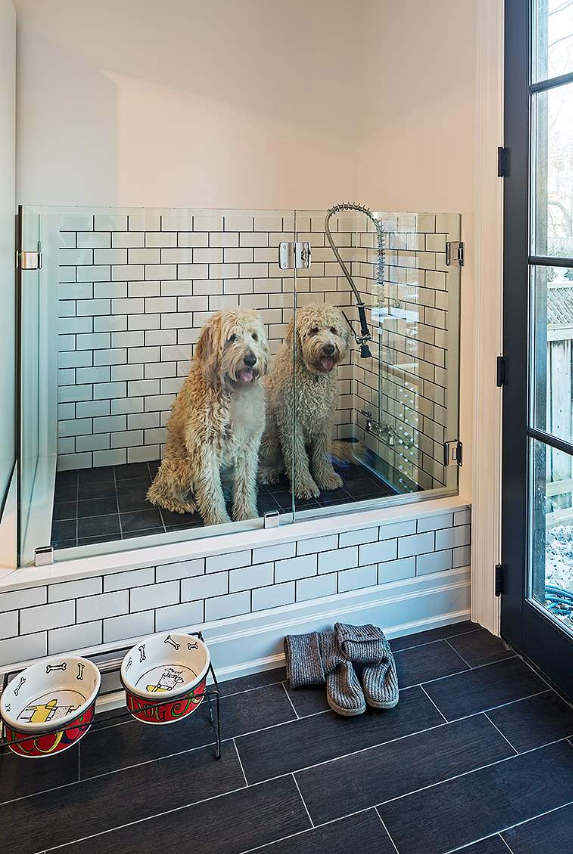
Nobody smells their own house. That’s the tricky part. You walk in, drop your keys, and the odor your neighbor is too polite to mention stopped registering with you months ago.
Dog smell is rarely one big problem anyway. It’s a stack of small ones: damp paws on a rug, a bed that hasn’t been washed since spring, fur working its way into the couch. The dog hygiene habits that fix it are small too. Most take under five minutes, and none of them involve buying anything scented like a fruit.
Start at the Door
Most of what makes a home smell like a dog walks in on four feet. Paws collect dirt, pollen, and whatever was on the sidewalk, then carry it straight to the softest surfaces you own.
Keep a towel by the entryway and wipe each paw before your dog gets past the mat. It feels fussy for about a week. Then it turns into muscle memory, and your rugs stop absorbing the outdoors.
A mat with real grip does more than a decorative one. For dogs with long hair between their pads, keeping that area tidy can help reduce the grit and moisture they carry indoors.
Brushing Does More for Your House Than for Your Dog
A brush pulls loose hair off your dog before your sofa does the job for you. That’s the whole argument. For many dogs, ten minutes a few times a week, on a hard floor or outside, keeps most of the shedding off the furniture. Coat type decides the rest. A short-coated dog may need less, and a double-coated or long-haired dog will need more, especially when the coat is turning over.
Bathing is where people overcorrect. More baths do not mean less smell. Frequent bathing can remove some of the natural oils that help support healthy skin, which may contribute to flaking, itching, or changes in odor. The American Kennel Club ties bath frequency to coat type and time spent outdoors rather than to a set calendar. Brush often, bathe when needed.
The Soft Stuff Holds Everything
The dog bed is the item most people underestimate. It sits there absorbing oil, dander, drool, and grit, and gets washed only once somebody notices. Weekly washing is a practical rhythm for many households, and the cover should go through on its own.
Same for the rest of the fabric your dog touches:
- Blankets and throws on the couch
- Fabric collars and harnesses, which pick up skin oil and rarely get washed
- Plush toys, which do fine in a mesh laundry bag
- The car seat cover you’ve been ignoring
None of that is glamorous. It’s just where the smell lives.
Bowls belong on the same list. A water bowl can develop a slippery film over time, especially when it is not washed regularly. A food bowl holds the residue of every meal before it. Wash both daily, with soap, the way you would a plate.
The trick is to make the surfaces your dog loves the ones that can go in the machine. Washable covers on the cushion he has claimed, a blanket over his half of the bed, a dog bed with a zip-off cover rather than one sewn shut. It is the same thinking behind most practical advice on running a dog-friendly home: plan around the dog you live with.
Bowls belong on the same list. A water bowl can develop a slippery film over time, especially when it is not washed regularly. A food bowl holds the residue of every meal before it. Wash both daily, with soap, the way you would a plate.
Dog Dental Care Belongs on the Housekeeping List
Dogs with dental disease often have breath bad enough to notice, and you notice it wherever they spend time: bedding, chew toys, the corner of the couch where your dog parks his chin.
It’s also a health issue many dog parents overlook. The American Veterinary Medical Association calls periodontal disease the most common dental condition in dogs, and notes that most dogs show early signs of it by around age three. Untreated periodontal disease has been associated with health changes beyond the mouth, although researchers continue to study the strength and direction of those relationships. Bad breath is a symptom, not a personality trait.
Daily brushing with a dog-safe toothpaste is the standard recommendation veterinarians commonly emphasize. The AVMA calls it the single most effective step between professional cleanings. Almost nobody manages it. A study in the Journal of Veterinary Dentistry, quoted by the AVMA, put daily brushing at roughly two percent of households. Do what you can, then build on it. A few times a week still counts for something.
Oral care is another overlooked way to help reduce unpleasant odors around the house. Products like Bernie’s Charming Chompers can be worked into a daily routine alongside brushing and grooming. Be realistic about what a chew does, though. The AVMA is blunt that plenty of products are sold on dental claims and not all of them hold up, so treat a chew as something that supports brushing rather than replaces it, and let your vet look at those teeth at the annual wellness exam.
When the Smell Is Not a Housekeeping Problem
Some odors do not answer to laundry, and those are the ones worth paying attention to.
Ears are a common source. A dog who is shaking his head, scratching at one ear, or carrying a sharp smell around it has something going on that washing alone may not address. Skin is the other. A dog who smells strong again soon after a bath, or whose coat feels greasy or flaky, may have a skin condition rather than a hygiene problem.
The rule of thumb is short. If the smell keeps returning after you have cleaned everything it touches, the dog is the message, not the mess.
When to Ask the Vet Instead of Reaching for the Laundry
- Odor from one ear, head shaking, or scratching at the ears
- A strong smell that quickly returns after bathing
- Greasy, flaky or itchy skin, or patches of missing hair
- Breath you can smell from across the room
- A sudden change in how your dog smells, with no change in routine
Accidents Need Enzymes, Not Perfume
Vinegar and baking soda can be useful around the house. Urine is a mess that often needs more targeted cleaning. An enzyme cleaner breaks down the compounds that make the odor cling, which matters, because residual odors can encourage a dog to revisit the same area.
And blot, don’t scrub. Scrubbing drives the mess into the carpet backing, where nothing you spray will reach it. Test any cleaner on a hidden patch first, because some carpets react badly to the products that rescue others. The full sequence for removing pet stains from carpet is worth reading before you need it, not after.
A Rhythm You Can Keep
None of this survives as a chore chart on the fridge. Pick the version you’ll repeat without thinking.
- Daily: paw wipe at the door, bowls washed with soap, tooth brushing when you can manage it, and a dental chew as a supplemental part of the routine
- Twice a week: coat brushing, on a hard floor or outside, not over the rug
- Weekly: bed cover, blankets, and throws
- At least once a year: a dental check at the vet’s wellness exam
A house with a dog in it is never going to smell like a hotel room, and it probably shouldn’t. Fresh is a routine, not a deep clean. Most of it happens while the coffee is still brewing.