Preparing Your Home for Hurricane Season: Essential Steps

Hurricane season is one of the most demanding times of year for homeowners, particularly those living in coastal or storm-prone regions!
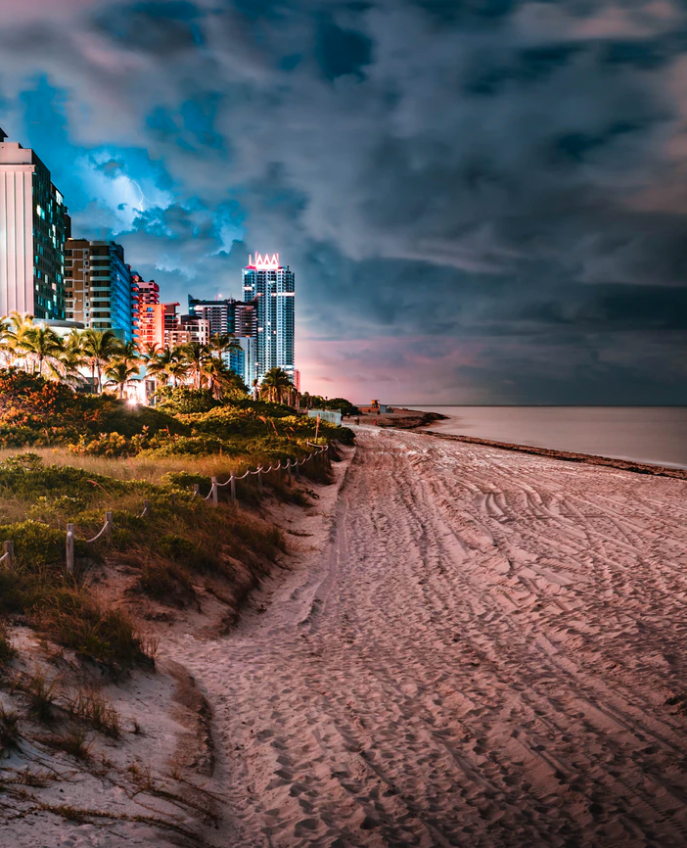
The window between knowing a storm is coming and its actual arrival can be dangerously short, leaving little time to act. Preparing well in advance is not just smart — it is essential.
The good news is that thoughtful, systematic preparation can dramatically reduce the damage a hurricane causes to your home and keep your family significantly safer throughout the storm and its aftermath.
Start With a Thorough Home Inspection
Before hurricane season begins, walk around your property with fresh, critical eyes. Look for loose roof shingles, damaged gutters, cracked window seals, and any structural weaknesses that a powerful storm could exploit and worsen.
Pay close attention to your roof, as it is your home’s first line of defense. A professional roofing inspection can identify vulnerabilities that are easy to miss from the ground but become catastrophic once high winds begin tearing through your neighborhood.
Do not overlook your yard either. Trees with weak, overhanging branches or shallow root systems can become dangerous projectiles during a hurricane. Have a certified arborist assess and trim any trees that pose a risk to your home or family.
Reinforce Windows, Doors, and the Garage
Windows and doors are among the most vulnerable parts of any home during a hurricane. Once a window shatters or a door buckles, the sudden change in internal air pressure can cause catastrophic structural damage throughout the entire house.
Install hurricane shutters or impact-resistant windows if your budget allows. These are long-term investments that pay for themselves repeatedly over the years. For doors, ensure deadbolts are strong and that frames are firmly anchored into the wall structure.
The garage door deserves special attention, as it is often the weakest large opening in any home. Bracing kits are widely available and relatively affordable. If your current door cannot be reinforced effectively, replacing it with a hurricane-rated model is a wise decision.
Secure Outdoor Furniture and Loose Items
Everything in your yard has the potential to become a dangerous projectile in winds exceeding 100 miles per hour. Patio furniture, grills, decorative planters, tools, and children’s toys should all be brought indoors or securely stored well before a storm arrives.
Items too large or heavy to bring inside should be anchored firmly using heavy-duty straps or chains. Even objects that feel secure on a calm day can be lifted and thrown enormous distances when exposed to hurricane-force winds during the peak of a storm.
Think of your outdoor space as a staging ground for potential hazards. The more time you spend clearing and securing it before the season even begins, the safer you and your neighbors will be when a storm is eventually heading your way.
Ensuring Reliable Backup Power
Power outages are one of the most disruptive and prolonged consequences of a hurricane. In the aftermath of a major storm, some households go without electricity for days or even weeks, creating serious challenges around food safety, medical equipment, communication, and basic comfort.
A reliable backup power solution is one of the most valuable investments a homeowner can make before hurricane season arrives. Portable generators are the most common option, providing enough electricity to run essential appliances like refrigerators, fans, lights, and phone chargers during an outage.
If you choose a portable generator, always operate it outdoors and far from any windows or vents. Carbon monoxide poisoning from indoor generator use is a leading cause of post-hurricane fatalities, and this danger is entirely preventable with proper setup and placement during use.
For a more seamless experience, consider a standby generator that connects directly to your home’s electrical system and activates automatically when power is lost. These units run on natural gas or propane and can power an entire home without any manual intervention required during an emergency.
Beyond generators, it is worth investing in battery-powered backup systems for smaller but critical needs. A quality battery bank can keep phones charged, run a CPAP machine, or power medical devices for hours or even days after the main power supply has failed.
“Stock up on extra fuel before the season starts, and always ensure to service your generator if you’ve not used it for a while to avoid disappointment,” says A&A Power Generators, a Miami generator repair service.
Build a Comprehensive Emergency Supply Kit
An emergency kit is a cornerstone of hurricane preparedness and should be assembled long before any storm is on the radar. At minimum, it should contain enough water, non-perishable food, and medications to sustain your household for a full week.
Include flashlights, extra batteries, a hand-crank or battery-powered radio, first aid supplies, copies of important documents, and cash. During major disasters, ATMs and card readers frequently go offline, making physical cash more valuable than people typically expect.
Tailor your kit to your household’s specific needs. If you have infants, elderly family members, or pets, factor their requirements into your supplies from the very beginning of your planning process.

Know Your Evacuation Plan
No amount of home preparation replaces having a clear, rehearsed evacuation plan. Know your local evacuation zones, understand which routes to take, and identify a safe destination — whether that is a family member’s home, a hotel, or a designated public shelter.
Do not wait for an official evacuation order to begin planning. Identify your route and destination early in the season and keep your vehicle fueled during peak months. Traffic during a mass evacuation can turn a one-hour drive into an exhausting, hours-long ordeal.
Practice the plan with every member of your household, including children. Everyone should know where to go, who to contact, and what to do if the family becomes separated during or after the storm moves through your area.
Stay Informed and Stay Calm
Monitoring weather updates from reliable sources like the National Hurricane Center is critical throughout hurricane season. Sign up for local emergency alerts on your phone and identify a trusted, consistent source for real-time storm information and updates.
Preparation is ultimately about reducing panic and increasing confidence. When you have reinforced your home, secured your power supply, stocked your supplies, and planned your evacuation route, you are no longer simply reacting to fear.
You are ready. And being ready is the single most powerful thing any homeowner can do when hurricane season arrives.