Smarter Surface Decisions for Homes
Maintaining a clean home goes beyond basic cleaning products and hygiene. The type of materials used in your home’s flooring and walls directly affects the level of maintenance required!
Some materials will age gracefully with little maintenance, while others will require constant attention to remain presentable. As homeowners continue to seek ways to make home maintenance easier, material selection has become an important consideration. From kitchens and bathrooms to busy living areas, making smart decisions about surfaces that are resistant to staining and easy to clean can make a big difference in how your home functions daily.
What goes unnoticed is that maintenance challenges are not always caused by the surface itself. In many spaces, the real issue lies in grout lines. These small gaps can collect moisture, dirt, and residue over time, making durable surfaces harder to keep clean.
This article explores the challenges associated with traditional tile installation, explains newer surface solutions, and discusses how smarter material choices can help create a cleaner, more manageable space.
Why Grout Is Often the Weak Point
Grout is an important component in tiled areas as it helps to keep tiles in place. But since it is porous, it tends to absorb dirt, grease, soap residue, and water.
Even when sealed, grout still needs to be maintained. It can stain, crack, or develop mildew, especially in areas where moisture is a constant problem. Damp indoor settings can contribute to mold growth, and if not controlled, can impact indoor air quality.
Because of these challenges, many homeowners begin looking into no-grout surface options. This helps to cut down cleaning time as there are fewer chances for dirt and moisture accumulation. During renovations, surfaces with minimal or no grout lines often become a practical choice.
How Reduced Grout Enhances Daily Cleaning
The benefits of fewer grout lines are especially noticeable during routine cleaning. Surfaces with wide grout spacing require targeted scrubbing to remove buildup. Fewer groutlines mean fewer areas for water and debris to accumulate. For busy families, this means less time spent on cleaning surfaces and a greater ability to effectively clean with simple methods.
Areas of the Home That Benefit Most
While low-grout and grout-reducing surfaces can be used throughout the home, the benefits will be most apparent in areas of the home that are used regularly or are frequently exposed to moisture, spills, and foot traffic.
Kitchens
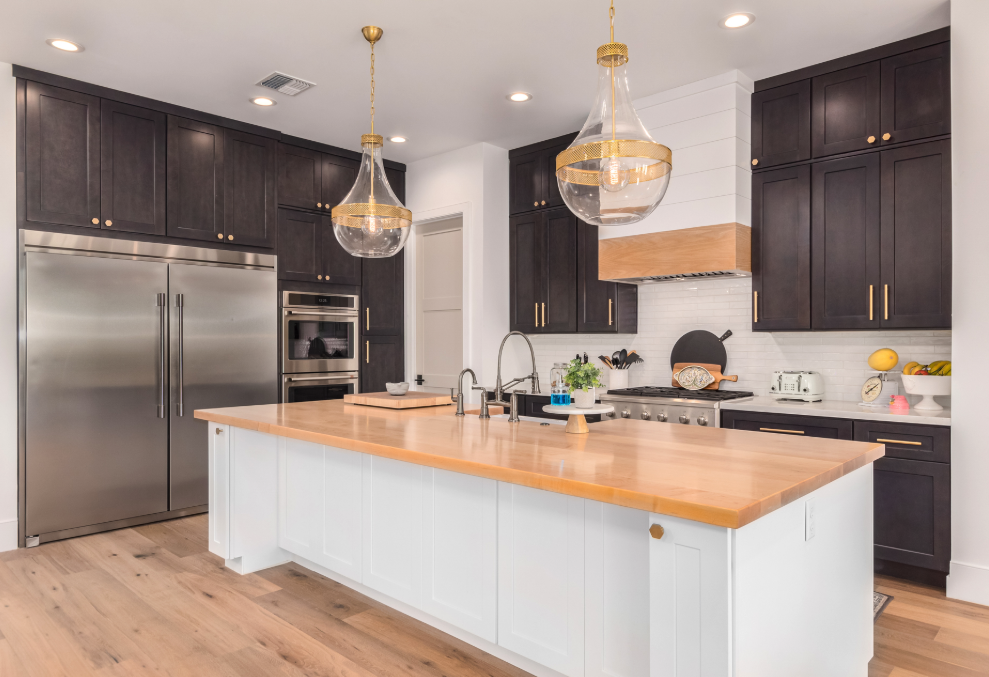
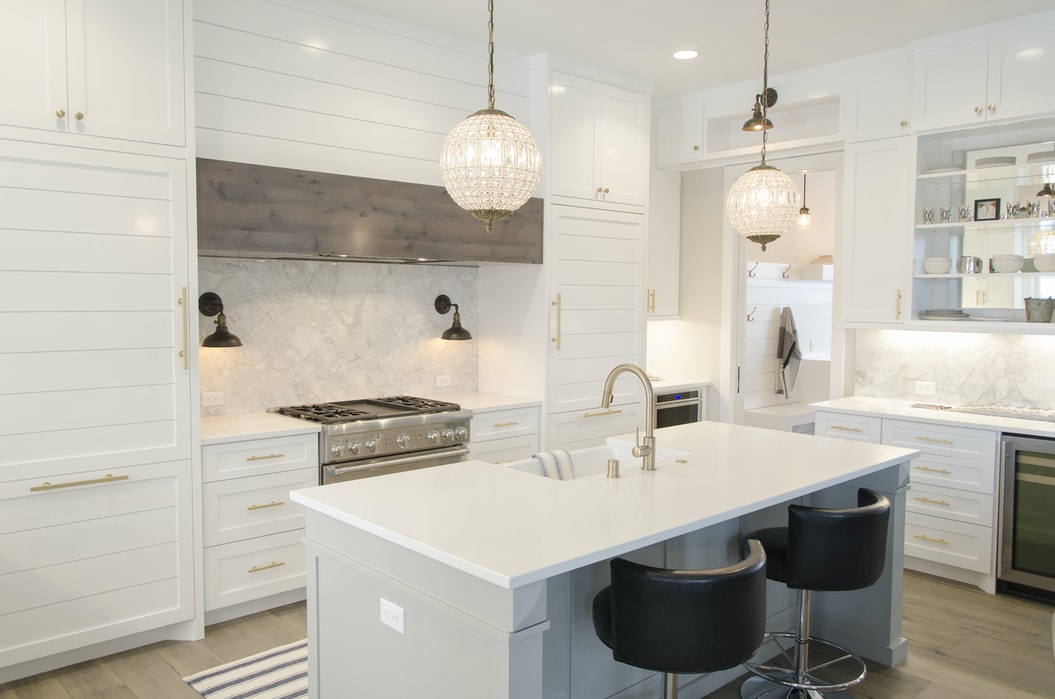
The kitchen is one of the most challenging regions of the home when it comes to cleaning. Cooking splatter, steam, grease, and food residue come into contact with walls and backsplashes regularly. If you own a kitchen surface with fewer grout lines, then it is easier to clean and maintain. A continuous or large-format surface also helps prevent dirt from collecting behind appliances and in prep areas. This keeps the kitchen looking good even between cleanings.
Bathrooms
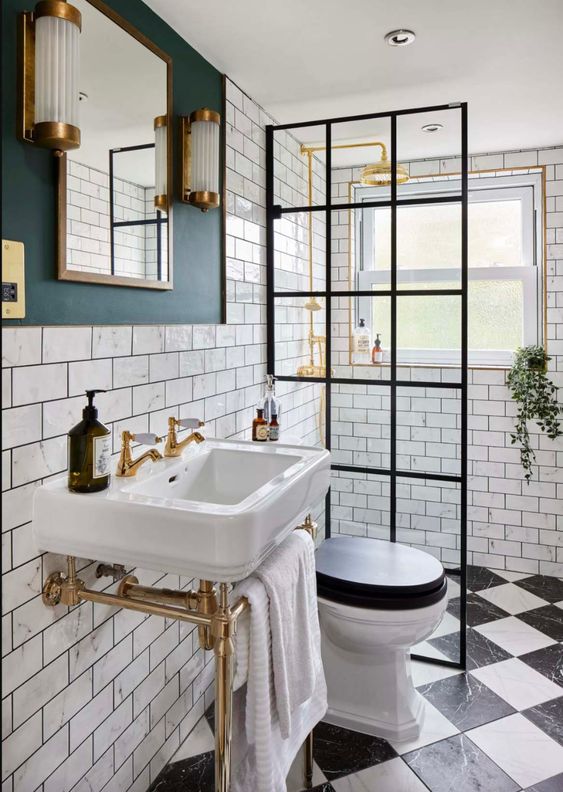
Bathrooms are exposed to moisture, humidity, and temperature fluctuations constantly. Shower walls, bathtub surrounds, and vanity backsplashes are susceptible to water accumulation in grout lines, causing discoloration and mildew. Using grout-free tiles will help keep the bathroom fresher for a longer period of time while still maintaining a stylish look and functionality. Even the smallest details of grout, such as color and spacing, can make a difference.
Living Areas and Entryways
Living rooms, hallways, and entryways are the high-traffic areas where dirt, dust, and external debris can easily be tracked inside, particularly in homes with pets or children. Floors with no grout are easier to sweep and clean because dirt and debris remain on the surface rather than hiding in the grout lines.

Materials That Simplify Everyday Care
The material of choice must be able to withstand moisture, stains, and everyday wear while retaining its appearance. Durability, maintenance, and aesthetic appeal are equally important, especially in high-traffic areas.
Porcelain is one of the most trusted materials for low-maintenance living. Porcelain is dense, non-porous, stain- and moisture-resistant. This makes it an excellent material for both kitchen and bathroom walls and floors. Modern porcelain tiles often feature rectified edges, which allow for tighter installation patterns and narrower grout lines, reducing the overall amount of grout used.
Ceramic tile is a lightweight and user-friendly alternative, especially for wall installations. It is easy to clean and maintain, even in moisture-prone areas. Ceramic tiles are commonly used in backsplashes and feature walls, where smaller grout lines can help reduce splatter buildup.
The addition of mother-of-pearl finishes adds a natural touch while still allowing for low-maintenance requirements if installed correctly. Usually installed in accent areas such as a backsplash or a decorative wall section, mother-of-pearl tiles are inherently smooth and bring a reflective glow to a space.
Peel-and-stick tile is a functional alternative for low-traffic or temporary installations. These tiles are usually installed in a backsplash or feature wall and are particularly grout-free. They can be easily wiped and individually replaced in case of any damage. Peel-and-stick tiles are a versatile and low-commitment option for homeowners who want easy maintenance without the long-term installation commitment.
Conclusion
A well-maintained space starts with the careful selection of surfaces that help, rather than hinder, daily life. By minimizing grout lines and using materials that are durable enough to withstand daily use, homeowners can reduce grime buildup and make cleaning easier. Whether it’s a renovation of a single room or a larger home renovation, these considerations are crucial to how well a home functions.