Broken Kitchen Sink Trap in Chicago: Emergency Guide & Prevention
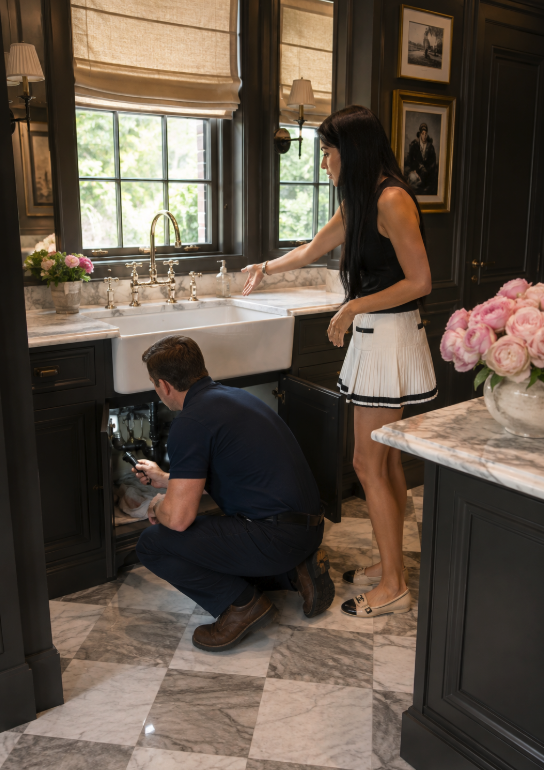
A small problem under your kitchen sink can quickly turn into a costly mess, which is why it’s so important to understand how your sink trap works and when it may be starting to fail.
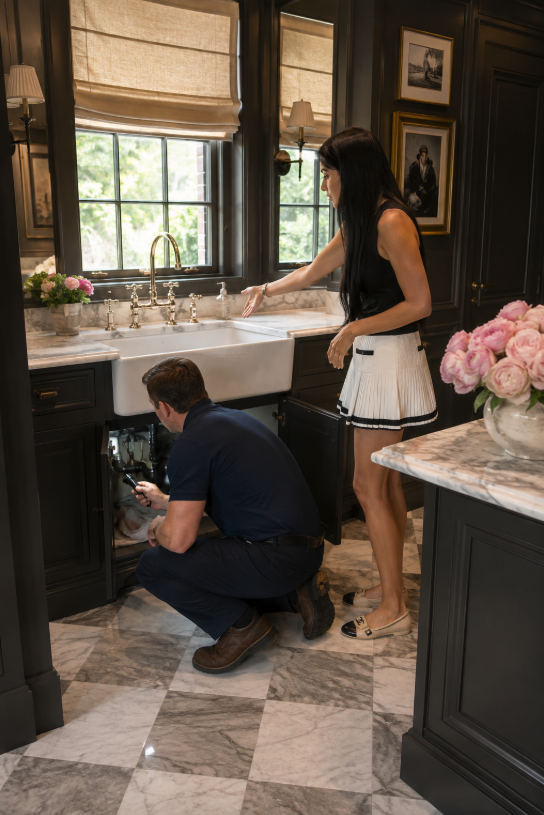
I’ve been a plumber in Chicago for 12 years. I’ve seen apartments flooded, kitchens destroyed, and families dealing with $5,000+ repair bills. Most of these disasters could have been prevented with one simple thing: paying attention to the kitchen sink trap.
Your sink trap isn’t just a curved pipe under your cabinet. It’s a critical line of defense between your clean kitchen and a plumbing catastrophe. When it fails, water doesn’t just drip—it floods. It seeps into cabinets, damages subflooring, and can eventually reach your neighbors below. In Chicago apartment buildings, especially older ones built before 1980, a single failed trap can trigger a chain reaction of damage.
Here’s what the numbers tell me: 60% of kitchen plumbing emergencies I respond to in Chicago are trap-related. That’s six out of every ten emergency calls. Most of these situations could have been caught early if residents understood what they were looking at.
Why does this matter now? Chicago winters are brutal on plumbing systems. Temperature fluctuations cause metal to expand and contract. Older pipes corrode faster. People use hot water more aggressively. The stress on your kitchen sink trap increases dramatically between November and March.
And if you live in one of Chicago’s vintage apartment buildings—and let’s be honest, most of us do—your plumbing infrastructure is working with systems designed 40, 50, sometimes 70 years ago. These systems were built to last, but they weren’t built to last forever. A trap that’s been holding steady for decades can fail suddenly when conditions align wrong.
The difference between a $300 repair and a $3,000 emergency comes down to one thing: knowing what to look for and understanding what a failing trap actually looks like.
That’s what this article is about. I’m going to show you exactly how kitchen traps fail, what you can do to prevent it, and what to do if it happens at 2 AM on a Sunday.
Why Sink Traps Fail – Real Cases & Prevention
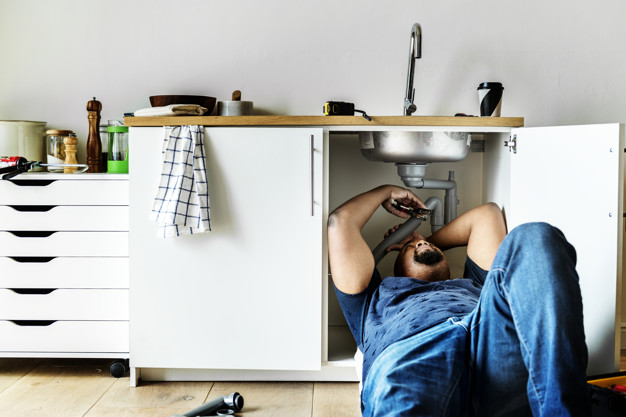
Under your kitchen sink sits a P-trap—that curved pipe holding water. This water seal is your barrier against sewer gases and flooding. Traps fail for three reasons.
Reason 1: Grease Buildup and Clogs
Grease flows down the drain and solidifies in the trap. It accumulates week after week, creating pressure that cracks the pipe or forces water through loose connections.
Real Case : North Side, 1952 Building
A woman called me on Tuesday morning. Her cabinet was soaked. She’d noticed a smell two weeks earlier but ignored it. The trap had corroded from years of grease buildup creating acidic conditions that ate through the metal. Repair cost: $1,200.
Prevention: Weekly hot water flushes, drain strainers, never pour cooking oil down the drain.
Reason 2: Metal Corrosion
Old pipes rust from constant moisture and mineral accumulation.
Real Case 2: Lincoln Square Renovation
New owners, updated kitchen, original trap—60 years old. It corroded from outside in, thin as paper. One year it worked fine. The next year it failed. Repair cost: $300 (caught early).
Prevention: Replace old traps during renovations.
Reason 3: Physical Damage
Traps get hit. Connections loosen. Small leaks become big problems.
Prevention: What Actually Works
Weekly Hot Water Flush: Pour boiling water slowly down the drain. Two minutes. Dissolves grease before it hardens.
Drain Strainer: $3. Catches food particles and grease.
Never Pour Grease: Let it cool, dispose in trash.
Annual Visual Inspection: Look under your sink. Pooling water? Stains on pipes? Loose connections? Call a plumber.
Professional Inspection Every 5 Years: $75-100. Catches problems before they cost $1,000+.
Most people ignore early signs—odors, slow drains, drips—until it’s too late. Your trap is communicating with you. Listen.

Emergency Response – What to Do NOW
Your sink trap has failed. Water is pooling under the cabinet. Maybe there’s a smell. Maybe it’s actively leaking. Your first instinct is panic. Don’t. Follow these steps.
Immediate Actions
First, stop using the sink. Every time water goes down, it makes the situation worse. Find your main water shut-off valve. In most Chicago apartments, it’s in the basement, utility closet, or near the water heater. Turn it clockwise until it stops. If you can’t find it, turn off just the kitchen cold water supply under the sink—there’s usually a valve there.
Second, place towels and a bucket under the leak. This prevents water from spreading to your neighbor’s ceiling below. In older Chicago buildings, water damage spreads fast and damages more than just your apartment.
Third, open the cabinet doors and leave them open. Let air circulate. If water is sitting, mold will start growing within 24 hours.
What to Tell the Emergency Plumber
When you call an emergency plumber chicago, have this information ready:
Your address and apartment number
How long the problem has existed (hours or days?)
What you see (dripping, pooling, no drainage?)
Whether you’ve attempted any fixes
If water is actively entering your neighbor’s space below
Say this: “I have an active leak under my kitchen sink. Water is pooling in the cabinet. I’ve shut off the water supply. I need someone today.” Be specific. Vague descriptions cost you time.
Questions to Ask the Plumber
When the 24 hour plumber chicago arrives, ask these questions before work begins:
“Is this a simple trap replacement or a bigger issue?”
“What’s the cost for emergency service versus scheduling for tomorrow?”
“Do you guarantee the work?”
“Will you check the connection to the wall for other problems?”
“Is this going to happen again if I don’t replace other pipes?”
Don’t let anyone start work without a written estimate. Emergency calls are expensive—24/7 plumber chicago rates run $150-250 just for the visit, plus parts and labor. But this is not the time to negotiate. A leak now costs $300-500. A leak ignored overnight costs $2,000+.
Why Emergency Plumbing Chicago Matters
You might think: “Can’t I just wait until Monday?” No. Here’s why:
Water damage accelerates exponentially. After 24 hours, mold starts. After 48 hours, subflooring begins rotting. After a week, structural damage occurs. Your homeowner’s insurance typically doesn’t cover plumbing failures—only water damage. But if you waited to call, they’ll argue you were negligent.
Old Chicago buildings have interconnected water systems. Your leak affects neighbors. Building management can hold you liable for their damage.
Prevention After the Emergency
Once the emergency plumbing chicago call is handled, do this:
Get the receipt and warranty information
Ask the plumber if your other pipes look okay
Schedule a professional inspection of your entire under-sink area in 2 weeks
Start the prevention routine: weekly hot water flushes, drain strainers, no grease
Most people treat the emergency as a one-time event. It’s not. If one trap failed, others will follow. Get ahead of it.
The difference between a $400 emergency and a $4,000 disaster is one phone call made immediately. Don’t wait.
Prevention and Long-Term Solutions
Now that the emergency is handled, think strategically. One failed trap means others will follow. Chicago’s infrastructure fails in sequence, not all at once.
Understanding Your Trap’s Lifespan
Most kitchen traps last 15-30 years depending on material. Cast iron from the 1960s? On borrowed time. Plastic from the 1990s? 10-15 years left. Copper? 20-30 years.
But usage matters more than age. A sink where no grease is poured lasts 40 years. A sink where oil is dumped daily fails in 5.
Material Matters
PVC (Plastic): Most common. Cheap ($20-40). Lasts 15-20 years. Doesn’t corrode but cracks from impact.
Copper: More expensive ($60-100). Lasts 25-30 years. Best corrosion resistance.
Cast Iron: Original to old Chicago buildings. Can last 50+ years if not corroded, but once it starts, it accelerates fast.
Monthly Under-Sink Inspection
Spend 5 minutes monthly under your sink. This catches 80% of problems before emergencies.
Look for: water stains, corrosion (white/green discoloration), loose connections, soft cabinet wood, cracks or holes.
Document with photos and call a plumber within the week if you see anything.
When to Replace vs. Repair
Rule: If the trap leaks, replace it. Patching is temporary.
Patch: $100-150, lasts 2-6 months
Replace: $200-350, lasts 15-20 years

Replace.
Build Relationships with Local Plumbers
Don’t wait for emergencies. Interview 2-3 plumbers now. Ask:
How often do they service your building?
Emergency callback time?
Do they offer maintenance plans?
What’s their warranty?
A plumber who knows your building’s history is invaluable.
Real Cost of Prevention
Monthly inspection: Free
Annual professional inspection: $75-100
Preventive trap replacement every 15 years: $250-400
Emergency repair: $500-1,200
Water damage from neglect: $2,000-10,000
Spend $200-300 yearly on prevention or $5,000+ on emergencies. The math is clear.
This Week
Inspect under your sink today
Get a drain strainer
Set monthly reminders
Call 2-3 local plumbers for inspection rates
If pre-1970 building, schedule inspection within 30 days
Chicago apartments don’t maintain themselves. Pay attention to your trap and it will serve you for decades. Ignore it and you’ll be calling for emergency repairs.