Common Asphalt Problems and How to Prevent Costly Repairs
From small cracks and potholes to drainage problems, learn how to protect your asphalt driveway or parking lot and prevent expensive repairs!
Asphalt driveways and parking lots are built to last, but that doesn’t mean they’re maintenance-free! Over time, weather, heavy traffic, and everyday wear can cause cracks, potholes, and other problems that become expensive to fix. Working with an experienced asphalt contractor like Sommerset Paving can help prevent these issues. The company provides commercial, residential, and municipal asphalt solutions, including new installations, repairs, resurfacing, and sealcoating. Their team focuses on precise workmanship and long-lasting results, helping property owners maintain durable, high-quality driveways, parking lots, and municipal pathways.
Here are some of the most common asphalt problems and what you can do to prevent them.
1. Cracks in Your Asphalt
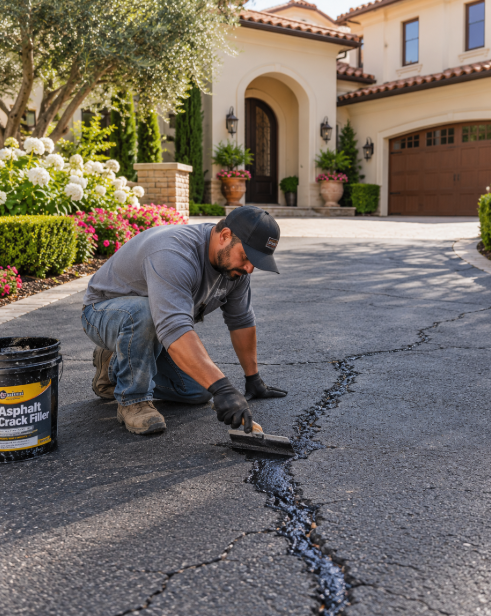
Small cracks are probably the most common issue you’ll notice on an asphalt surface. They might seem harmless at first, but ignoring them can lead to much bigger problems.
Water can seep through cracks and weaken the foundation underneath. During winter, freezing temperatures cause trapped water to expand, making those cracks even larger.
The best way to prevent serious damage is to repair cracks as soon as they appear. Regular inspections, especially after winter, can help you catch problems before they become expensive.
2. Potholes That Keep Getting Bigger
Nobody likes driving over a pothole, especially when it’s right in front of their garage!
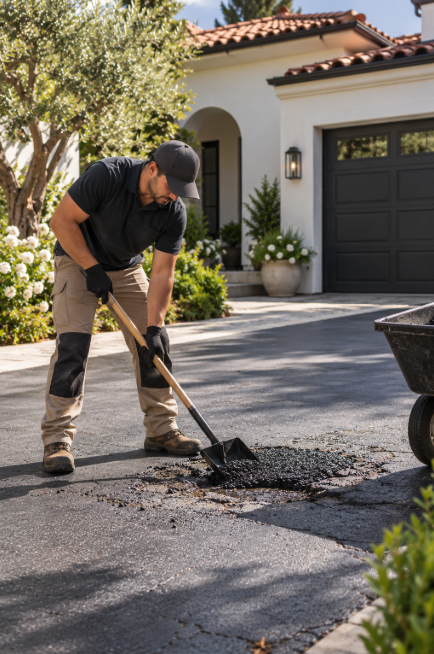
Potholes usually develop when water penetrates damaged asphalt and weakens the material underneath. As vehicles continue driving over the area, the surface eventually breaks apart.
I remember visiting a relative whose driveway had one small pothole near the entrance. They kept putting off the repair, and after a particularly harsh winter, it had grown so much that everyone had to drive around it!
It’s a good reminder that repairing a small problem early is usually much easier than dealing with extensive damage later.
Professional patching can restore damaged areas, although recurring potholes may indicate deeper foundation problems.
3. Standing Water and Poor Drainage
Have you ever noticed puddles sitting on your driveway long after the rain has stopped?
Standing water is often a sign of poor drainage or uneven asphalt. Over time, trapped moisture can contribute to cracks, deterioration, and weakening of the pavement’s foundation.
Proper grading during installation helps water flow away from the surface instead of collecting in low spots.
If you’re experiencing persistent drainage issues, a paving professional can determine whether repairs, resurfacing, or drainage improvements are necessary.
4. Fading and Surface Deterioration
Asphalt naturally fades from deep black to gray as it ages. While some fading is normal, excessive exposure to sunlight, water, and vehicle fluids can accelerate deterioration.
This is where sealcoating comes in!
Sealcoating adds a protective layer that helps asphalt resist moisture, UV damage, and everyday wear. It can also restore a darker, cleaner appearance.
For more information, check out these driveway sealing tips to protect your asphalt and learn why regular upkeep matters.
5. Uneven Asphalt and Sinking Areas
Uneven pavement isn’t just unattractive. It can create tripping hazards, drainage issues, and uncomfortable driving conditions.
Sinking areas often develop because of poor foundation preparation, soil movement, or repeated pressure from heavy vehicles.
When these problems appear, simply filling the surface might not provide a lasting solution.
Professional asphalt resurfacing can help when the underlying foundation remains strong. However, severely damaged areas may require removal and replacement.
You can also learn more about how professional asphalt repair restores damaged driveways and parking lots.
6. Skipping Regular Asphalt Maintenance
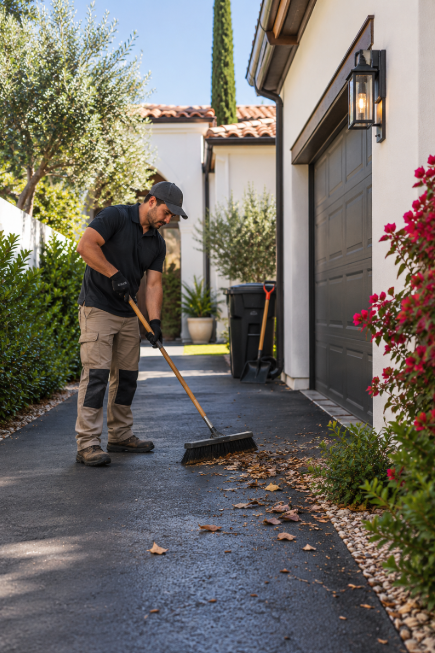
One of the biggest mistakes property owners make is waiting until their asphalt looks terrible before doing anything about it.
A simple maintenance routine can make a huge difference. Keep surfaces clear of debris, clean up oil spills, inspect for cracks, and schedule sealcoating when needed.
Commercial parking lots and municipal pathways may require more frequent inspections because of heavier traffic.
Final Thoughts
Keeping asphalt in good condition doesn’t have to be complicated. Most expensive repairs start as small problems that could have been addressed much earlier.
With regular maintenance, timely repairs, and professional paving services when necessary, you can protect your investment and keep your driveway or parking lot looking great for years to come!