The Little Things That Count: Small Hardware Fixes That Prevent Major Household Headaches
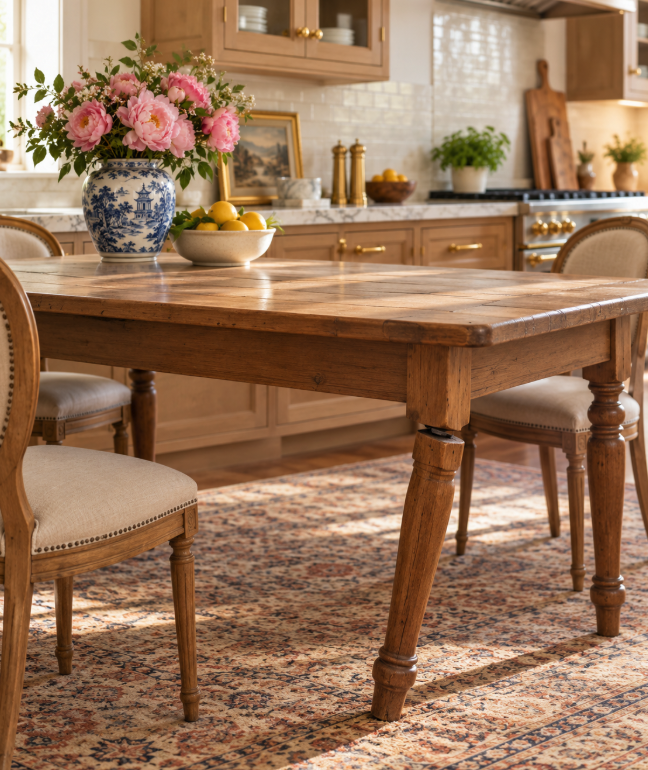
We spend hours choosing the right paint color, arranging throw pillows, and scrubbing tile grout, yet we often overlook the tiny components holding our actual living spaces together!
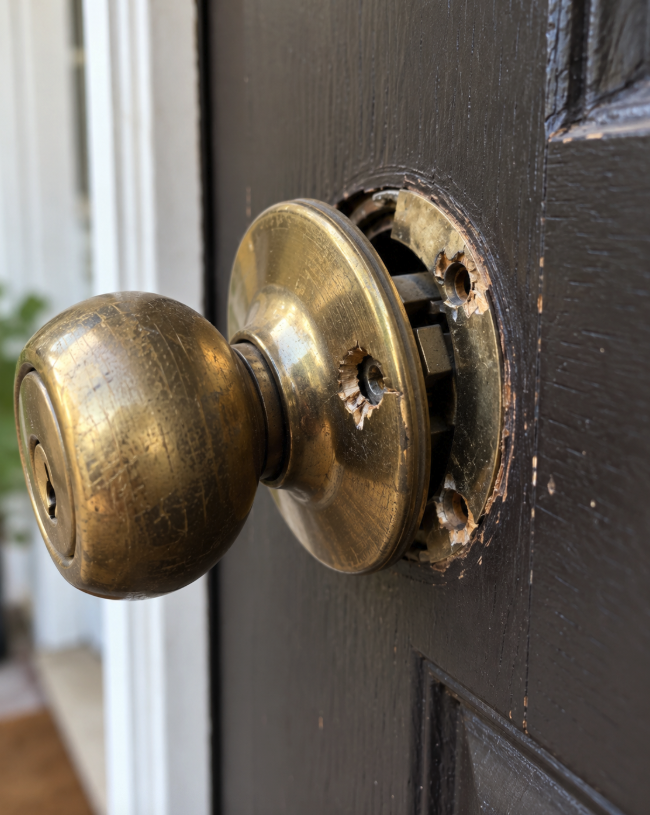
A wobbly chair leg, a slipping cabinet hinge, or a loose handrail might seem like minor annoyances, but ignoring them usually leads to bigger structural repairs down the line. Keeping a home running smoothly is often less about major renovations and more about proactive, small-scale maintenance.
When a fixture starts to give way, standard household temporary fixes like toothpicks stuffed into stripped screw holes or cheap, generic replacement parts rarely hold up under daily use. Permanent stability requires proper hardware chosen specifically for the job, whether you are dealing with wood framing, drywall anchors, or metal brackets. Sourcing heavy-duty components from a reliable fasteners supplier ensures that your quick weekend fix doesn’t turn into a recurring headache by next month.
Why Small Structural Failures Happen
Most domestic wear and tear starts at microscopic levels. Constant movement, natural wood expansion caused by humidity shifts, and daily structural vibration slowly loosen screws and bolts until joint integrity fails. When a cabinet door sags out of alignment or a heavy drawer slide pulls free completely, the root culprit is almost always inadequate thread engagement or hardware unsuited to the actual weight load.
Understanding Material Strain and Fatigue
Every time someone leans on a handrail, pulls open a heavy pantry door, or sits down at a dining table, physical forces travel straight to the fasteners. Over thousands of cycles, cheap fasteners stretch or strip out the surrounding substrate. Transitioning to professional-grade hardware distributes these physical stresses evenly across a larger surface area, preventing premature fatigue and protecting your household fixtures from catastrophic failure.
Choosing the Right Hardware for the Job
Not all screws, bolts, and anchors are created equal. Using a standard wood screw in sheet metal or a light plastic anchor for heavy floating shelving is a recipe for disaster. Taking a moment to assess the material you are anchoring into—and the stress the joint will endure—saves time, money, and prevents expensive property damage.
- Match the Material: Pair coarse-thread screws with softwoods for maximum bite, and fine threads with dense hardwoods or metal brackets.
- Consider Environment: Standard indoor fixtures can use basic zinc finishes, but any high-moisture area (like a bathroom, kitchen, or laundry room) demands corrosion-resistant coatings to prevent rust bleed.
- Prioritize Strength: Never compromise on weight-bearing elements like banisters, overhead pot racks, or heavy wall-mounted entertainment centers.
Simple Upgrades You Can Tackle This Weekend
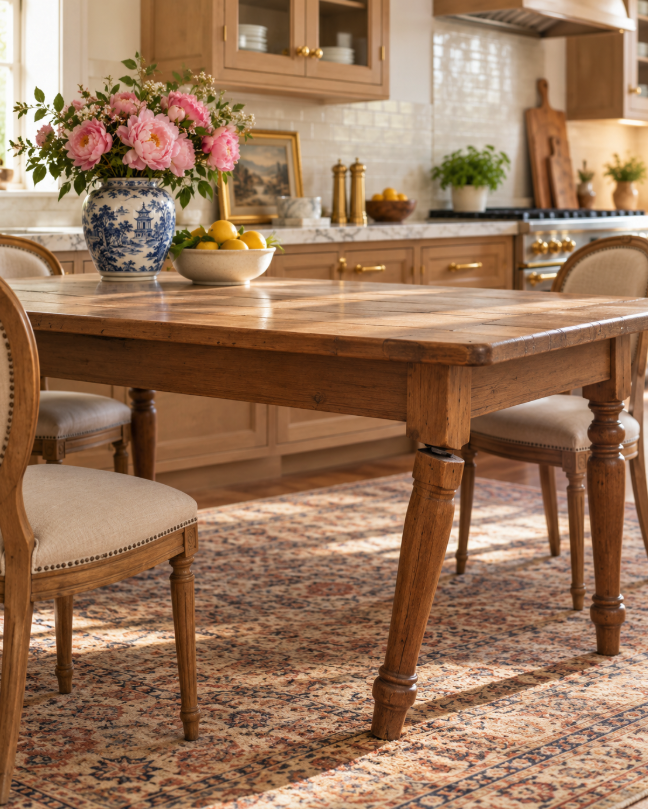
You do not need a contractor’s license or a garage full of specialized industrial tools to tackle minor household tightening. Walk through your living spaces with a quality screwdriver set and a small kit of replacement hardware. Check the hinge screws on high-traffic entry doors, tighten the base of wobbly kitchen tables, and secure loose bathroom fixtures before they strip out completely.
Protecting Your Home Investment Long-Term
By investing a little attention—and the right hardware—into these frequently overlooked spots, you can keep your home safe, sturdy, and frustration-free. Taking care of small maintenance tasks early preserves the value of your custom built-ins and furniture, ensuring everything in your house remains solid for years to come.