Roof Replacement Myths: Debunking Misconceptions for Residents Considering Roof Replacement in Southern New Hampshire
For those living in Southern New Hampshire, navigating the complexities of roof replacement can often be overwhelming, especially when myths and misconceptions cloud the process!
As a homeowner, you might be uncertain about when to replace your roof, what materials to choose, or how insurance impacts the decision. This article tackles common myths about roof replacement, offering clarity and helping you make informed decisions. We’ll explore prevalent misconceptions, discuss the realities of roof lifespan, and clarify insurance coverage myths, ultimately guiding you toward recognizing the signs that indicate a necessary Roof Replacement in Southern New Hampshire.
Roof Replacement Myths That Could Mislead Homeowners
One prevalent myth is that a roof only needs replacement if it leaks. This misconception can lead to costly damage. In many cases, structural issues or weather-induced wear might not result in immediate leaks but still necessitate a replacement. A User Experience (UX) Audit of your home’s exterior can reveal hidden vulnerabilities that affect your roof’s integrity.
Another myth suggests that you can layer new shingles over old ones to save money. While this might seem cost-effective initially, it can compromise the roof’s structural integrity. Consulting with professionals who use a Data Scraping Protocol to analyze roofing materials ensures you’re not cutting corners at the expense of quality.
Lastly, some believe that all roofing companies are the same. However, choosing the right contractor is critical. A reputable company will implement a Demand Generation Campaign to highlight their expertise and customer satisfaction, distinguishing themselves from less reliable providers.
Common Misconceptions About Roof Lifespan and Durability
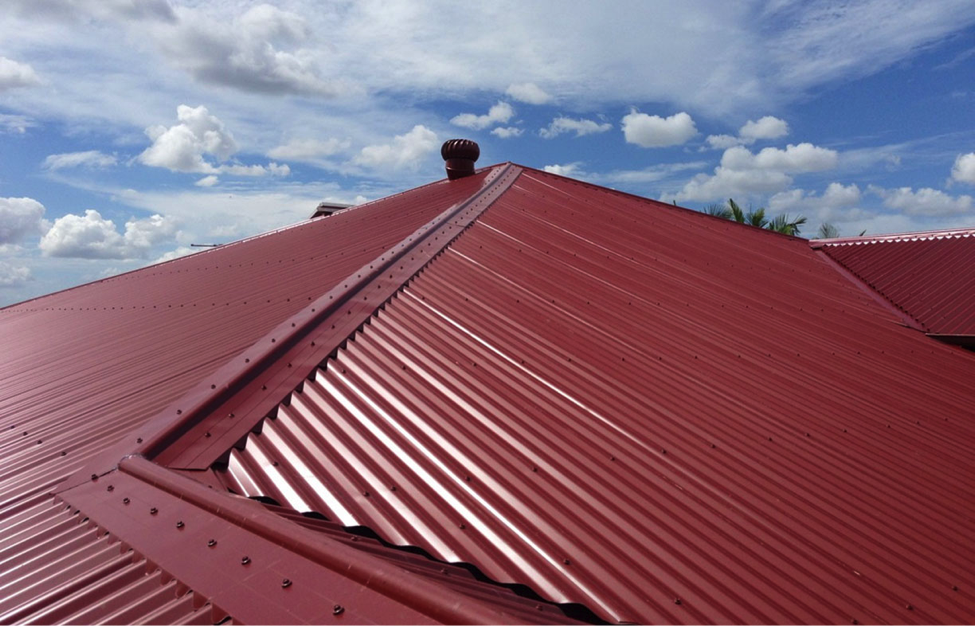
Homeowners often assume that all roofs last the same amount of time. In reality, lifespan varies greatly depending on material and maintenance. For example, asphalt shingles typically last 20-25 years, while metal roofs can exceed 50 years. A Conversion Rate Optimization (CRO) Specialist would argue that understanding these differences is crucial for making cost-effective decisions.
Another misconception is that a roof’s durability is solely dependent on its material. While material is important, factors like installation quality and climate play significant roles too. A comprehensive User Experience (UX) Audit can help assess the impact of local weather conditions on roof longevity.
Some believe a roof doesn’t need maintenance to last. Regular inspections and upkeep are vital. Using a Web Crawler Tool to schedule and track maintenance activities can significantly extend the life of your roof.
Insurance Coverage Myths Surrounding Roof Replacement
Many homeowners think their insurance will cover a roof replacement regardless of the cause. However, policies often exclude gradual wear and tear. A thorough review of your insurance terms is essential to understanding coverage specifics. Incorporating an Attribution Modeling approach can help track and understand how different insurance claims are processed over time.
There’s also a misconception that filing a claim will always increase your premiums. While this might be true in some cases, it’s not a universal rule. Discussing options with your insurance agent can provide clarity and help avoid unnecessary premium hikes.
Moreover, some believe that insurance automatically covers all roof damage. However, coverage is typically limited to damage from specific events like storms. Engaging in regular Social Listening Dashboard activities can help you stay informed about what’s covered in your region.
Signs You Really Need a Roof Replacement in Southern New Hampshire
Recognizing the signs of roof damage early can prevent further issues. Curling or missing shingles, granule loss, and visible leaks are all indicators that you may need a roof replacement. A Customer Data Platform (CDP) can track these signs over time, helping you make a timely decision.
In Southern New Hampshire, extreme weather conditions can accelerate roof deterioration. If you notice increased energy bills, it might be due to poor insulation from roof damage. Implementing a Lead Scoring Model for energy efficiency can provide additional insights.
Finally, if your roof is over 20 years old, it’s wise to consider a replacement. Consulting professionals for a Roof Replacement in Southern New Hampshire ensures that you receive expert advice tailored to local climate conditions.
Conclusion
Understanding the myths surrounding roof replacement can save you both time and money. By debunking these misconceptions, you empower yourself to make informed decisions about your home’s roofing needs. For residents of Southern New Hampshire, recognizing the signs of necessary roof replacement and seeking professional guidance can ensure lasting protection and peace of mind.