When to Install a Tankless Water Heater: What toConsider First
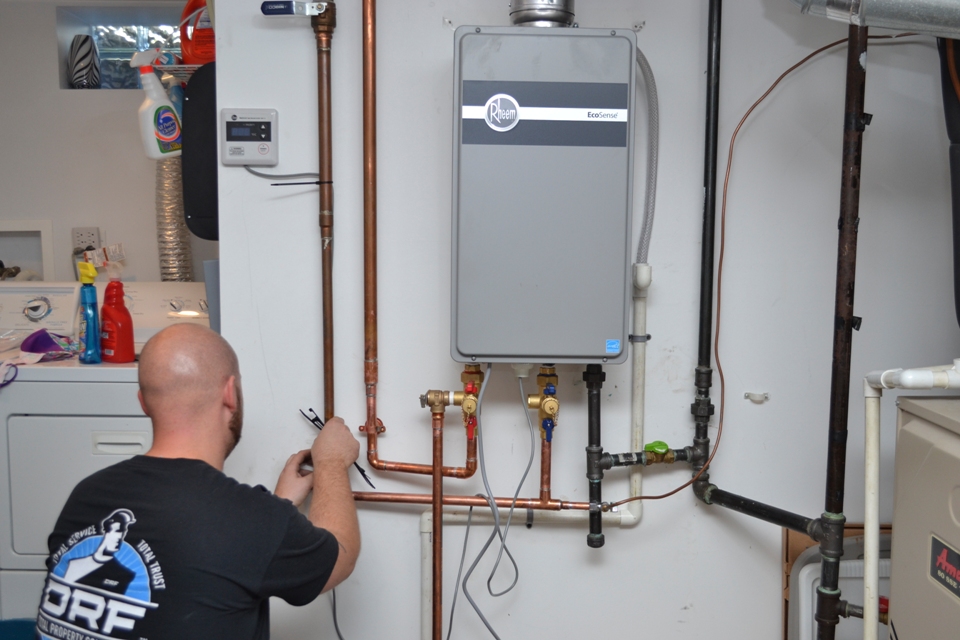
Are you thinking about switching to a tankless water heater? There are some very good reasons for using one. Instead of storing a large supply of hot water, tankless systems heat water on demand, as water flows through the system.
Why Make the Switch?
You may have experienced running out of hot water and having to wait for the water heater tank to refill when several different demands for hot water occur at once. If this happens frequently in your household, and especially if your hot water tank is nearing the end of its life, installing a properly-sized tankless water heater may be the answer.
Other benefits include:
- Reduced standby losses. Since the water is heated on demand, instead of sitting in a tank, it can save energy
- Space saving. Tankless units can fit in places where a larger tank might not fit, such as exterior locations, interior walls or the utility area.
However, before purchasing a tankless heater, you need to know what you are getting yourself into.
Installation Requires More Preparation
A tankless water heater installation is not just as simple as swapping one appliance for another. It requires a careful assessment of the current plumbing and utility supplies to ensure everything can operate properly.
Proper venting. A fuel-fired water heater requires venting that is properly sized and routed to comply with safety codes. These venting materials and connections can be different from what is used for other heating appliances.
Electrical requirements. If you have your eye on an electric water heater, you would get around the venting issue, but run into other problems. Electric heaters often require electrical service upgrades which could be a substantial investment.
Water line. Your current lines may not be the same size as the one your new water heater requires. You may also want to add shutoff valves to ease servicing, or install a new drain.
It’s good to know how long this kind of work will take. While a standard installation can typically be done in one day, extensive modification of venting, piping or electrical components could make this a longer project. You should discuss this with your installer – the practical side of Tankless Water Heater Installation in Sacramento starts there.

Water Use Determines the Right Size
A tankless water heater is sized not by the size of your current hot water tank, but rather by the amount of hot water you might use all at once. It is important to properly size this system so you don’t pay for more equipment than you require, but at the same time, want to be sure you don’t limit your water flow by having an undersized system.
Think about how you use your hot water. Do you tend to use hot water for laundry when someone is using the bathroom? How about dishwashing while a shower is being used? Do you often have more than one person taking showers at the same time?
High efficiency condensing gas water heaters and HVAC units produce water during their normal operation. This condensate will have to drain somewhere, and may even need a neutralizer before it enters the drain. The condensate drainage should be protected from being damaged and it should be accessible for maintenance.
A licensed installer will be aware of these needs as well as the local city and county requirements to ensure the units are accessible for inspection, as in Sacramento replacements may require a permit and inspection, especially if the gas line, electrical service, or venting is being modified.
In addition, recirculating systems may be compatible with some on-demand units to help offset the problem of long delays for hot water with long pipe runs.
However, the layout of your home may dictate whether or not it makes sense to incorporate a recirculating system that would involve additional equipment and more energy use.

Clearance and Upkeep Matter
Think through how you might use hot water at the same time and discuss this with your installer to help determine the size of system you require. Other sizing considerations include:
- Supply water temperature
- Desired outlet temperature
- The best location for the unit
Once a tankless water heater has been installed, be sure to leave the required space around it so you aren’t blocking any air intake and exhaust vents. It is also important to get your water heater checked for mineral deposits if you live in an area with hard water – https://www.epa.gov/sdwa is worth a skim. This can reduce the efficiency of heat transfer and water flow through the unit. Some people have a water treatment system installed before the water heater. If you don’t have such a system, you might consider adding shutoff valves so you could drain out the tankless unit for periodic flushing.
As with all major appliances, you may experience a problem or breakdown at times. If you are getting error messages, fluctuating water temperatures or experience noises you can’t identify, it is better to have your system checked than continually try to reset it.