When Should HVAC System Services Include Thermostat and Sensor Calibration?
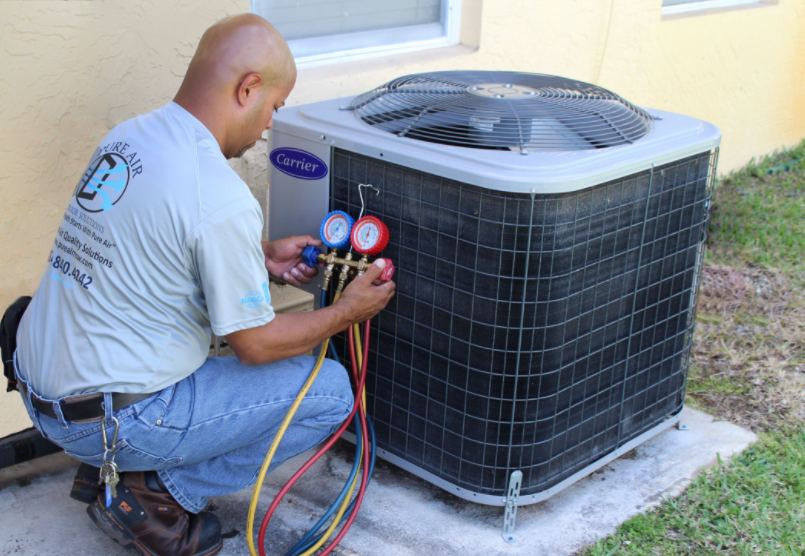
Thermostats and sensors guide every heating and cooling cycle inside a home, that’s why it’s important to make sure they are working and in top condition!
When they read temperatures incorrectly, the HVAC system may run too long, shut off too early, switch modes at the wrong time, or leave rooms uneven. Calibration helps confirm that these controls are reading conditions correctly and sending proper signals to the equipment. HVAC system services should include thermostat and sensor calibration whenever comfort problems, energy increases, short cycling, or control errors appear. Accurate readings support steadier comfort, lower waste, and better protection for heating and cooling equipment throughout the year.
When Calibration Becomes Necessary
- When Rooms Feel Different From the Thermostat Reading
Thermostat and sensor calibration should be included when the thermostat’s displayed temperature does not match how the home actually feels. A thermostat may show 72 degrees, yet the room may feel warmer, colder, humid, or uncomfortable. This can happen when the thermostat sensor drifts out of calibration, is exposed to sunlight, is affected by a draft, or is installed near a heat-producing appliance. A technician can compare the thermostat reading with reliable temperature measurements in the same area and nearby rooms. If the readings do not match, calibration or relocation may be needed. Homeowners scheduling Las Vegas HVAC system services may benefit from calibration because strong sun exposure, hot walls, and heavy cooling demand can make control accuracy more important. When the thermostat accurately reflects conditions, the system can respond to real indoor comfort needs rather than to false signals that waste energy or create uneven temperatures.
- When the System Cycles Too Often or Not Enough
Short cycling is another reason HVAC system services should include calibration of the thermostat and sensors. Short cycling happens when the system turns on and off too frequently, often before completing a full heating or cooling cycle. This can increase wear on compressors, motors, controls, and electrical parts. It can also leave the home feeling uncomfortable because air does not circulate long enough to balance temperatures. On the other hand, if the thermostat sensor is reading too slowly or inaccurately, the system may run much longer than needed. Calibration helps confirm whether the control system is causing the cycling problem or another issue, such as airflow restriction, equipment sizing, refrigerant imbalance, or dirty coils. A technician can test thermostat response, sensor accuracy, wiring condition, and system timing. Correcting control errors helps the equipment run in smoother cycles, improving comfort while reducing avoidable stress on mechanical parts.
- When Energy Bills Rise Without Clear Reason
A sudden or gradual increase in energy bills can indicate thermostat or sensor issues, even when the HVAC equipment still seems to work. If a thermostat reads the home as warmer than it is during cooling season, the air conditioner may run longer than necessary. If it reads the home as colder than it is during heating season, the furnace or heat pump may do the same. These errors can quietly add hours of operation over the course of a month. Calibration helps verify whether the system is being controlled by accurate information. During service, technicians may compare temperature readings, review thermostat programming, inspect sensor placement, and verify that the equipment responds properly to control signals. Energy waste can also come from dirty filters, poor airflow, duct leaks, or weak components, so calibration should be part of a broader performance review. When controls are accurate, energy use becomes easier to manage.
- When Smart Thermostats or Zoning Systems Are Installed
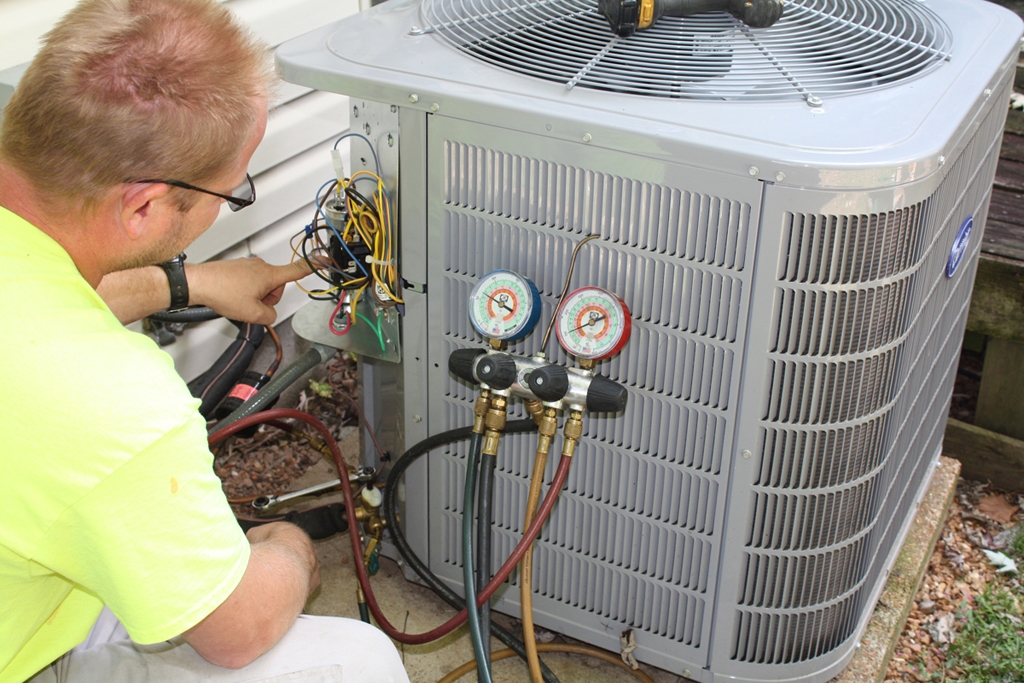
Thermostat and sensor calibration is important after installing smart thermostats, remote sensors, or zoning controls. Modern systems can manage different rooms, schedules, occupancy patterns, and comfort settings, but they depend on accurate sensor readings. If one zone sensor reads incorrectly, the system may send too much air to one area and not enough to another. This can create hot and cold spots, higher energy use, and unnecessary cycling. Smart thermostats also need correct setup for system type, staging, heat pump operation, auxiliary heat, fan control, and temperature limits. Calibration helps make sure the technology works with the actual home layout. A technician can test each sensor, confirm communication between controls and equipment, and adjust settings so the system responds correctly. Without calibration, smart controls may create confusion instead of comfort. Proper setup ensures connected HVAC features work as intended and supports more reliable home temperature management.
- When Humidity or Indoor Air Issues Appear
Thermostats and sensors affect more than just temperature. Many modern controls also measure or respond to humidity, air circulation, and equipment run time. If humidity readings are inaccurate, the system may fail to remove enough moisture or run longer than necessary. This can make rooms feel sticky in summer or overly dry in winter. Improper humidity control can also create damp areas that support bacterial growth around surfaces, vents, or equipment if moisture is left unmanaged. HVAC system services should include sensor calibration when homeowners notice musty odors, condensation on windows, uneven humidity, or discomfort that does not match the thermostat setting. A technician can test humidity sensors, review fan settings, inspect drainage, and check cooling cycle length. When humidity controls are accurate, the system can better balance comfort and moisture. This helps protect indoor air quality, surface materials, and overall home comfort.
- When Equipment Has Been Repaired or Replaced
Calibration should also be part of HVAC system services after major repairs, equipment replacement, or control upgrades. A new furnace, air conditioner, heat pump, blower motor, control board, or thermostat may change how the system responds to temperature calls. If controls are not checked after the work is complete, the system may run with old settings that no longer match the new equipment. This can lead to incorrect staging, delayed response, uneven comfort, or unnecessary energy use. A technician can verify that the thermostat is communicating properly with the equipment, that sensors are reading accurately, and that system timing matches the manufacturer’s requirements. This step is valuable because installation or repair success depends not only on mechanical parts but also on correct control operation. Calibration after repair helps confirm that the system is working as a complete comfort network, not just a collection of replaced components.
Accurate Controls Improve System Performance
HVAC system services should include thermostat and sensor calibration whenever comfort feels uneven, energy use increases, cycling changes, smart controls are added, humidity issues arise, or equipment has recently been repaired. Thermostats and sensors guide system operation, so inaccurate readings can lead to waste, discomfort, and increased wear on parts. Calibration helps ensure the equipment responds to real indoor conditions and runs only when needed. This supports better comfort, improved efficiency, and longer system life. By checking controls during service, homeowners can prevent small accuracy problems from becoming larger performance issues throughout the heating and cooling seasons.