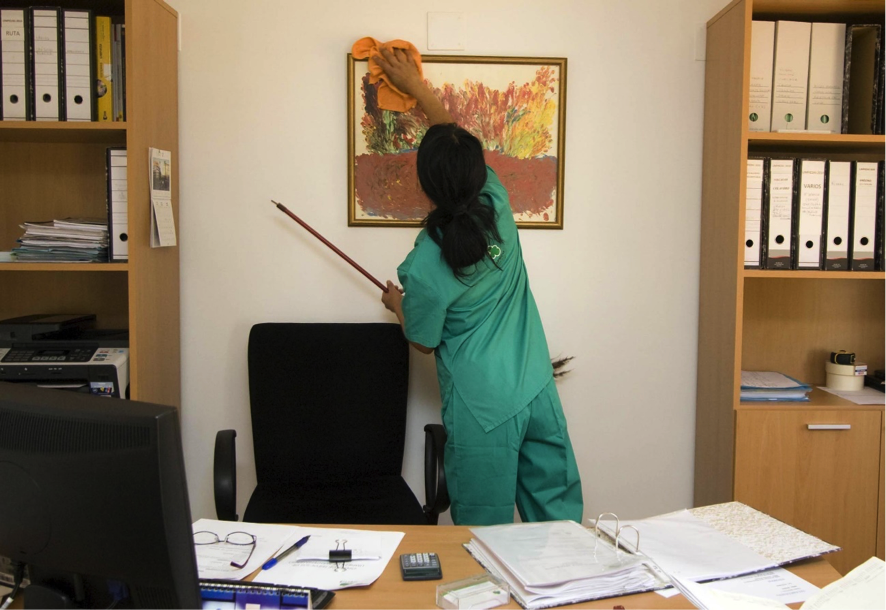
Why Professional Cleaners Spot Problems Your DIY Routine Misses
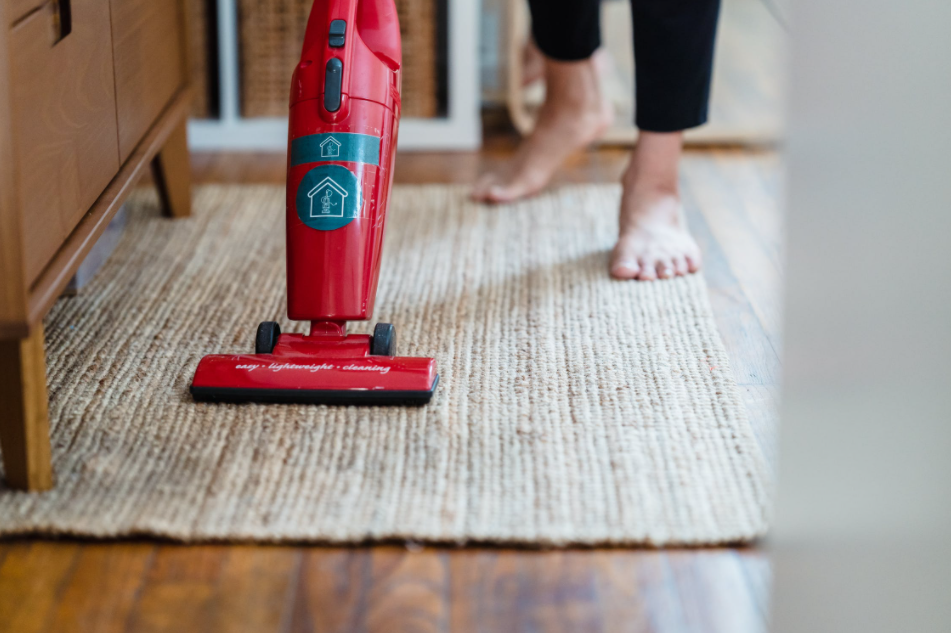
Professional cleaners do more than make your home look spotless—they’re often trained to notice subtle signs of hidden problems that homeowners might easily overlook!
You vacuum the living room on Saturday morning, wipe down the kitchen counters, and call it done. Your home looks cleaner. But underneath that surface appearance, your DIY routine might be missing water damage forming behind walls, mold colonies growing in bathroom corners, allergen buildup trapped in carpet fibers, or pet urine stains that standard cleaners push deeper into wood floors. Professional cleaners don’t just make spaces look good; they spot structural and health problems that preserve your home’s value and your family’s wellness. Understanding what makes a home truly clean according to professionals can completely change how you approach household maintenance.
Key Takeaways
- Professional cleaners are trained to identify water damage, mold, and structural problems that DIY routines entirely miss.
- Hidden allergens and pet damage accumulate in places homeowners never inspect during regular cleaning.
- Early detection of damage through professional eyes saves thousands in repair costs down the road.
- Professional assessment combined with targeted DIY maintenance creates the most effective long-term home care strategy.
Why It Matters: The Hidden Cost of Incomplete Cleaning
Most homeowners clean the visible surfaces. You see dirt, you remove it. But professional cleaners work from a different mental framework. They’re looking for evidence of moisture intrusion, mold development, pest activity, and material degradation. When what makes a home truly clean according to professionals differs this dramatically from the average homeowner’s mental checklist, the gaps add up fast.
Consider a common scenario: water damage from a roof leak or burst pipe. By the time you notice staining or soft drywall, the damage has been spreading for weeks or months. A professional cleaner arriving weekly would have spotted the wet carpet edge, the slight discoloration on the ceiling, or the musty odor before it became catastrophic. That early warning system is worth far more than the cleaning service itself.
The same principle applies to mold colonies in poorly ventilated bathrooms, pet urine soaked into subfloors, allergen buildup in heating vents, or soap scum creep that indicates ventilation failure. Professionals see these patterns because they’ve seen them thousands of times before. Your eyes, trained only on your own home, don’t have that reference point.
What Professional Cleaners Notice That You Don’t
Moisture Damage Before It Becomes Visible
Water damage doesn’t announce itself with a loud crack. It whispers through soft spots, discolored grout lines, and subtle changes in how surfaces feel underfoot. Professional cleaners develop a tactile sense for these warnings. They notice when carpet feels spongy in one corner (possible subfloor saturation), when drywall near a bathroom sink shows almost imperceptible swelling (early water intrusion), or when a basement corner smells faintly musty even though it looks dry.
By the time homeowners see obvious water staining, the damage has typically been spreading behind walls for months. Professionals catch this in the talking stage, giving you time to call a plumber or roofer before repairs become five-figure undertakings.
Mold Growth in Hidden Zones
Mold loves spaces you never clean: inside medicine cabinets, behind bathroom exhaust fans, inside HVAC return air vents, under sinks where condensation accumulates, or in the corners of shower enclosures where spray patterns create perpetual moisture. Standard homeowner cleaning focuses on visible surfaces. Professional cleaners know to check these hidden zones because that’s where mold actually establishes itself.
Early-stage mold is easy to address with targeted cleaning and ventilation fixes. Late-stage mold requires remediation experts and can affect resale value or insurance coverage. The difference between catching it early and catching it late is often one professional cleaning appointment per month.
Allergen Buildup in Forgotten Places
Dust mites, pet dander, and pollen accumulate in places most people never think to clean: the tops of crown molding, inside air return vents, under furniture that rarely moves, inside closet corners, and deep within carpet fibers. Your weekly or monthly DIY vacuuming touches the obvious surfaces, but it doesn’t reach these allergen reservoirs.
Families with asthma, allergies, or immune sensitivities often notice dramatic improvement once a professional cleaner addresses these overlooked zones. The person with dust mite allergies doesn’t get relief from a clean-looking living room; they get relief when someone actually cleans the top of the ceiling fan blades, inside the HVAC vents, and under the couch cushions where colonies have been thriving for months.
Pet Damage That Spreads Underground
If you have a pet that’s had accidents, your nose tells you where the problem is. But the actual damage extends far beyond what you can smell. Pet urine soaks through carpet into padding, then into subfloor, then into joists. Each layer holds bacteria and odor-causing compounds. Standard carpet cleaning reaches maybe the top layer. Professional assessment identifies which spots have soaked through to subfloor level, which require padding replacement, and which need enzyme treatment to actually neutralize (not just mask) the odor.
This distinction matters enormously for future resale value. A home with hidden pet damage in the subfloor can fail a home inspection or trigger unexpected repair requests from buyers’ inspectors.
Material Degradation You Can’t See Happening
Grout slowly breaks down. Caulk cracks and gaps. Tile adhesive fails. Grout lines recede. Hardwood finish wears through in traffic patterns. These changes happen gradually enough that you don’t notice them week to week. But a professional cleaner visiting monthly sees the progression. They notice when bathroom grout has shifted enough to let water behind tile, when kitchen caulk has cracked enough to let moisture into the wall, or when hardwood floors are showing wear patterns that suggest subfloor moisture in specific zones.
These observations let you address small problems before they cascade into major damage.
A Concrete Example: The Bathroom Nobody Noticed Was Failing
Consider a real scenario: a busy family in a New England home with a guest bathroom that gets minimal use. The homeowner keeps it clean by their standards. Surfaces are dusted, mirror is wiped, floor is mopped weekly. But during a professional cleaning, the cleaner notices the grout around the shower surround is crumbling in one corner, the caulk between the tub and tile is cracked, and the wall opposite the shower is very slightly soft when pressed.
These three observations paint a picture: water is leaking behind the shower enclosure, traveling through the wall, and beginning to saturate framing. The homeowner saw a clean bathroom. The professional saw a warning system going off.
The homeowner gets a professional opinion on the damage, which is still minor. The cost to open the wall, replace damaged framing, and re-tile is manageable. If discovered six months later after the mold and rot have progressed, that same fix costs three times as much and requires mold remediation. The professional cleaning didn’t prevent the leak, but it spotted it early enough to prevent a disaster.
How to Combine Professional Insights with DIY Maintenance
You don’t need a professional cleaner every week to catch these problems. Monthly appointments, or even quarterly deep cleans supplemented by monthly surface maintenance, give professionals enough touchpoints to notice changes and patterns. The key is consistency; sporadic professional cleaning misses the narrative of how your home is actually changing.
After a professional cleaning appointment, ask the cleaner what they noticed. Are there any moisture concerns? Any mold spots? Any areas where damage is starting? This conversation gives you a roadmap for focused DIY attention and tells you when to call a specialist.
For areas where professionals identify minor issues, you can often maintain them yourself between appointments:
- Bathroom ventilation: Run the exhaust fan during and for 20 minutes after showers to keep humidity down.
- Under-sink management: Check for drips, keep the area dry, and store items away from plumbing connections.
- Carpet protection: Blot pet accidents immediately with enzymatic cleaner rather than standard carpet cleaner.
- HVAC maintenance: Replace filters on schedule and have vents professionally cleaned annually if you have pets or allergies.
- Grout monitoring: Watch for crumbling or shifting, particularly in bathrooms and kitchens near water sources.
Actionable Takeaways
- Schedule a professional cleaning appointment and specifically ask the cleaner to point out any damage, moisture concerns, or maintenance issues they notice. Take notes.
- If you own a pet, prioritize professional pet-odor assessment at least annually, especially if you’re planning to sell or have family members with allergies.
- In bathrooms and kitchens, visually inspect grout, caulk, and tile adhesion monthly. Photograph any changes to track progression over time.
- Run bathroom exhaust fans during and after showers, keep cabinet areas under sinks dry, and monitor basement corners for moisture or musty smells.
- If a professional identifies a small issue (minor grout crumbling, soft drywall, musty odor), address it within 30 days rather than waiting for it to worsen.
- Consider a quarterly deep clean combined with monthly surface maintenance as a cost-effective way to get professional oversight without committing to weekly service.

Conclusion
Your home is changing constantly, and most of that change happens invisibly. Water moves through walls. Mold grows in hidden corners. Allergens accumulate in forgotten zones. Pet damage spreads underground. Material degradation progresses week by week. DIY cleaning keeps surfaces visible, but it doesn’t catch the story beneath them. Professional cleaners read that story because they’ve learned to look for it. By combining their expertise with consistent maintenance on your part, you catch small problems early and prevent them from becoming expensive disasters. Your home’s value, your family’s health, and your peace of mind all benefit from that partnership.
FAQ
How often should I have a professional cleaner visit to catch damage early?
Monthly appointments provide enough frequency for professionals to notice changes and patterns in your home’s condition. Quarterly deep cleans combined with consistent DIY maintenance can work if you’re budget-conscious, though you might miss more subtle early warnings. The key is regularity; sporadic professional visits don’t establish the baseline needed to spot gradual changes.
What should I ask a professional cleaner to look for during their appointment?
Ask them to note any signs of water damage, moisture, mold, pest activity, or material degradation they observe. Specifically ask about bathrooms and kitchens (moisture hotspots), basements and crawl spaces (water intrusion risk zones), and any areas where you’ve noticed odors or visible damage. A good cleaner will share these observations without needing prompting.
Can I do professional-level damage assessment myself if I know what to look for?
You can develop awareness of what to monitor, but professional cleaners have years of experience recognizing patterns and subtle signs that homeowners typically miss. Think of it like car maintenance: you can check your oil, but a mechanic spots failing components through experience and systematic inspection. Professional assessment is most valuable when combined with your own ongoing observation between appointments.
Does professional cleaning actually prevent damage, or does it just catch damage that’s already happening?
Professional cleaning primarily catches damage early, which prevents it from cascading into much larger and costlier problems. For example, a cleaner might spot early mold that you can treat immediately for $200 rather than discovering it six months later when it requires $5,000 in remediation. The service doesn’t prevent all damage, but early detection transforms the cost equation.
What’s the financial case for professional cleaning if the main benefit is spotting problems?
Consider the math: a professional cleaning costs roughly $150 to $300 per appointment. Early detection of water damage, mold, or pet damage typically saves thousands in repair costs. One prevented basement flood repair, one caught mold colony, or one identified subsurface pet damage more than justifies a year’s worth of professional cleaning appointments.
How do I know if a cleaning company actually pays attention to damage and maintenance issues?
During your first appointment, ask the cleaner to walk you through what they observed. A cleaner who cares will mention specific things (soft spots, moisture, odor, visible wear patterns). A cleaner who just vacuums and wipes surfaces won’t have much to say. That conversation quality tells you whether the company is a good fit for your needs.