How to Maximize Your Home’s Value Before Selling

Selling your home is one of the biggest financial decisions you’ll ever make. And if you want to walk away with the most money possible, you can’t just stick a “For Sale” sign in the yard and hope for the best. You need a plan!
The good news is that you don’t have to spend a fortune to get a great return. A few smart moves before listing can make a serious difference in what buyers are willing to pay.
Start With a Buyer’s Mindset
Before you do anything, walk through your home like a stranger seeing it for the first time. What stands out? What feels off? Buyers form their first impression within seconds, and that gut feeling drives their offer.
Ask a trusted friend or neighbor to do the same walkthrough. Fresh eyes catch things you’ve grown blind to, like that squeaky door, the scuffed baseboards, or the bathroom that feels a little too dated.
Write down every issue, big or small. You won’t fix everything, but knowing what needs attention helps you spend your money where it counts the most.
Boost Your Curb Appeal First
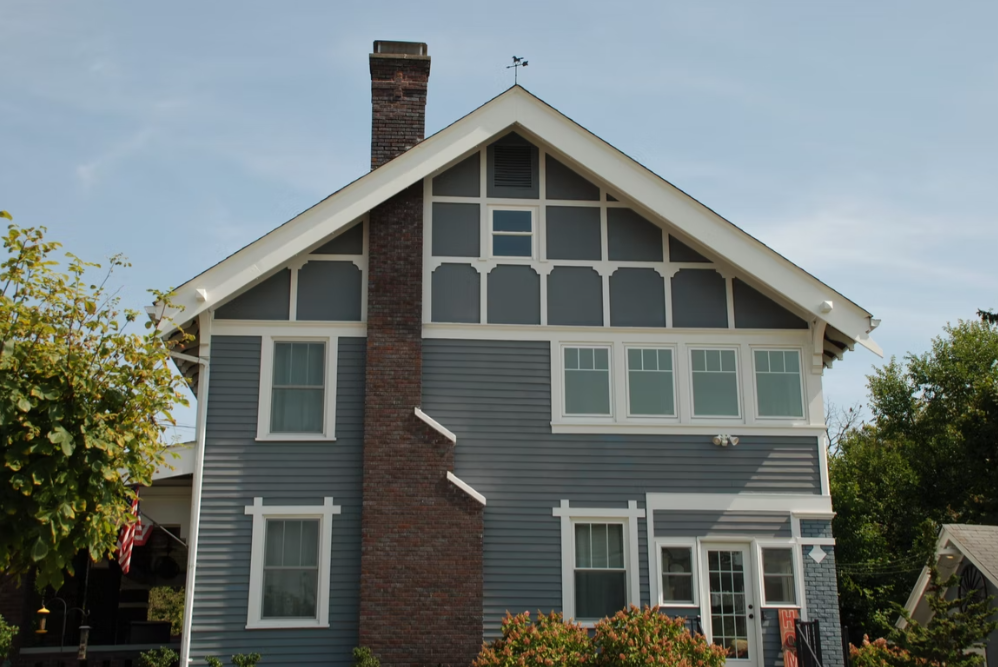
“Most buyers decide how they feel about a home before they even walk inside. The exterior is your first handshake, and you want it to be a firm one,” say the EmpowerHome Team, a Colorado Real Estate Agent.
You don’t need a full landscaping overhaul to make a strong impression. Simple updates go a long way. Mow the lawn, trim the hedges, plant a few seasonal flowers, and pressure wash the driveway. These are low cost moves that immediately lift the look of your property.
Repainting the front door is one of the highest return investments a seller can make. A bold but tasteful color makes your home memorable. Swap out an old house number, update the mailbox, and make sure the porch light actually works. Small details signal to buyers that the home has been well cared for.
Focus on the Rooms That Matter Most
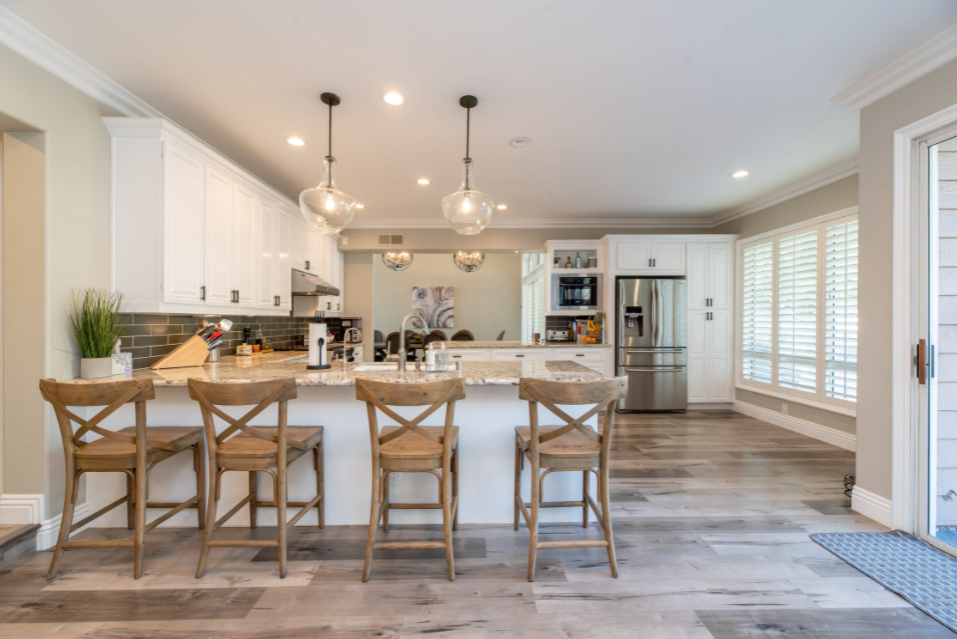
Not every room carries the same weight when it comes to resale value. Buyers pay the most attention to kitchens and bathrooms, so that’s where your energy should go.
You don’t need a full remodel to make these spaces shine. Refinishing cabinet doors instead of replacing them, swapping out old hardware for modern pulls, and adding a fresh coat of neutral paint can completely transform a kitchen without draining your budget.
In the bathroom, recaulking the tub, replacing a dated vanity light, and installing a new mirror can make the space feel clean and updated. Buyers want to feel like they’re moving into something fresh, not something they’ll have to fix right away.
Repairs That Buyers Always Notice
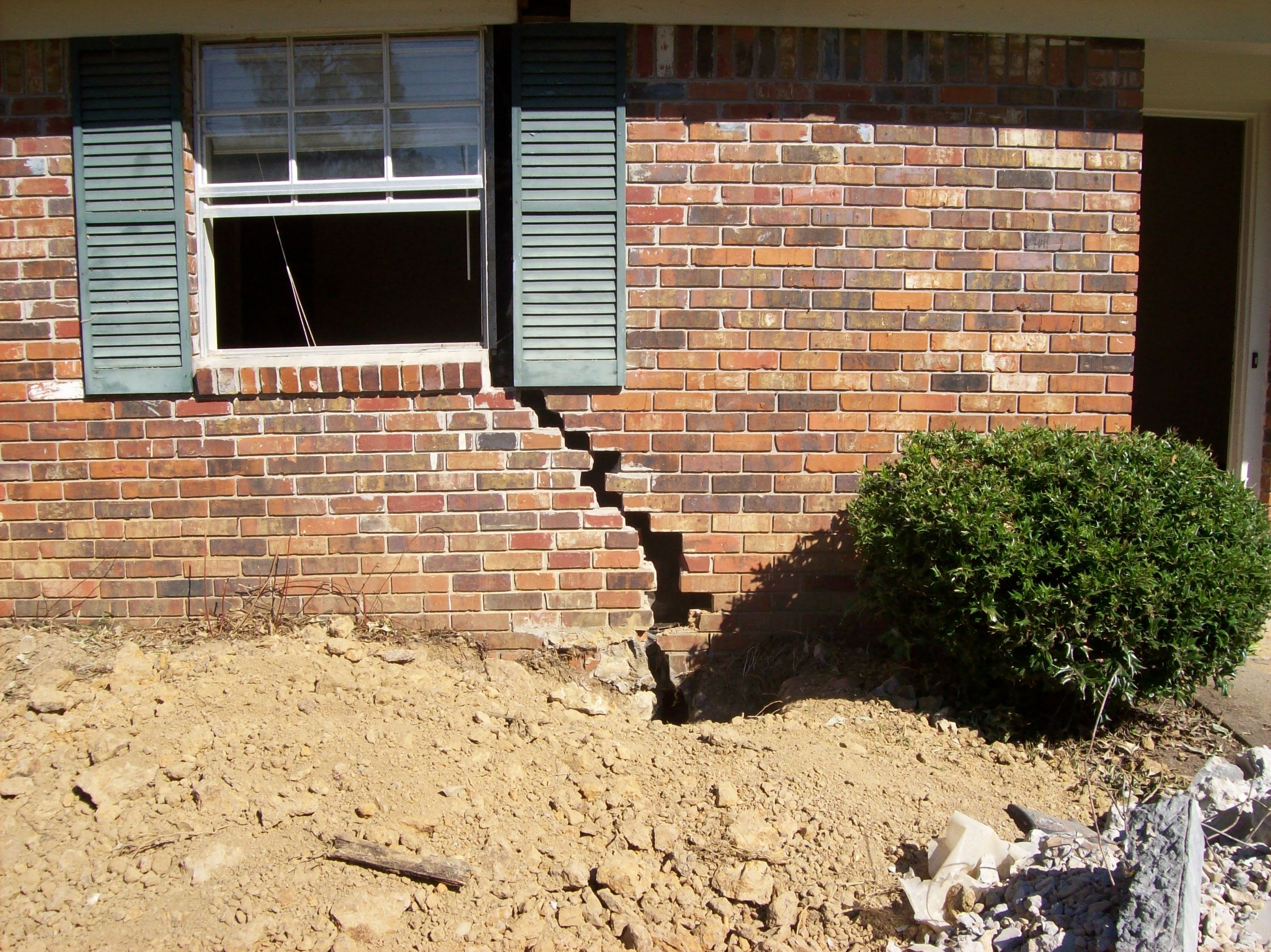
Here’s what many sellers get wrong: they focus on cosmetic upgrades while ignoring basic repairs. Buyers notice both, but a cracked ceiling or a leaky faucet will raise red flags faster than a beautiful backsplash will win them over.
Walk through your home and fix:
- Leaky faucets or running toilets
- Cracked or damaged drywall
- Sticking doors or windows that won’t open properly
- Broken light switches or non-working outlets
- Loose stair railings or damaged flooring
- Peeling paint on ceilings or trim
- Water stains that suggest past moisture problems
These repairs aren’t glamorous, but they prevent buyers from mentally adding up repair costs during their walkthrough. Every red flag a buyer spots is a reason to lower their offer.
Declutter and Depersonalize Every Room
This is one of the most impactful and least expensive things a seller can do. A cluttered home feels small. A depersonalized home lets buyers picture themselves living there, and that emotional connection is what drives strong offers.
Pack away personal photos, collections, and anything that makes the space feel like your home rather than a home. Clear out closets to about half capacity so storage feels generous. Remove bulky or excess furniture to open up the floor plan.
Buyers aren’t just purchasing square footage. They’re buying a vision of their future life. The cleaner and more neutral your space feels, the easier it is for them to imagine moving in.
Deep Clean Like It’s Never Been Cleaned Before
A spotless home signals pride of ownership. Buyers notice dirty grout, dusty vents, grimy appliances, and smudged windows even if they don’t say it out loud. It shapes how they feel about the overall quality of the home.
Hire a professional cleaning crew if your budget allows. They will get into corners and surfaces that a regular Saturday clean never touches. Steam clean the carpets, wash the windows inside and out, and make sure every room smells neutral and fresh.
If there are pets in the home, pay extra attention to odor control. Sellers sometimes stop noticing smells they’ve lived with for years, but buyers walk in with a clean nose.
Price It Right From the Start
Even after all your improvements, pricing your home correctly is what actually closes the deal. An overpriced home sits on the market, and the longer it sits, the more buyers assume something is wrong with it.
Work with a local real estate agent who knows your neighborhood’s recent sales. Look at comparable homes, what sold quickly and what didn’t, and let the data guide your number. A well-priced home in good condition often attracts multiple offers, which can push the final sale price well above asking.
Consider a Pre-Listing Inspection
Getting a home inspection before you list is a move most sellers skip, but it’s a smart one. It gives you the chance to discover and fix issues before buyers find them, which keeps you in control of the negotiation.
When buyers find problems during their own inspection, they either walk away or ask for big price reductions. When you’ve already addressed those issues, you’re selling from a position of strength.
Final Thoughts
Maximizing your home’s value before selling isn’t about spending as much as possible. It’s about spending smart. Focus on the repairs and upgrades that buyers actually care about, present the home in its best possible condition, and price it based on reality.
Sellers who take the time to prepare their homes properly tend to sell faster and closer to asking price. A little effort upfront almost always pays off on the other side of the closing table.