Why Hiring a Transitional Interior Designer Santa Monica Can Transform Your Home Without Starting Over
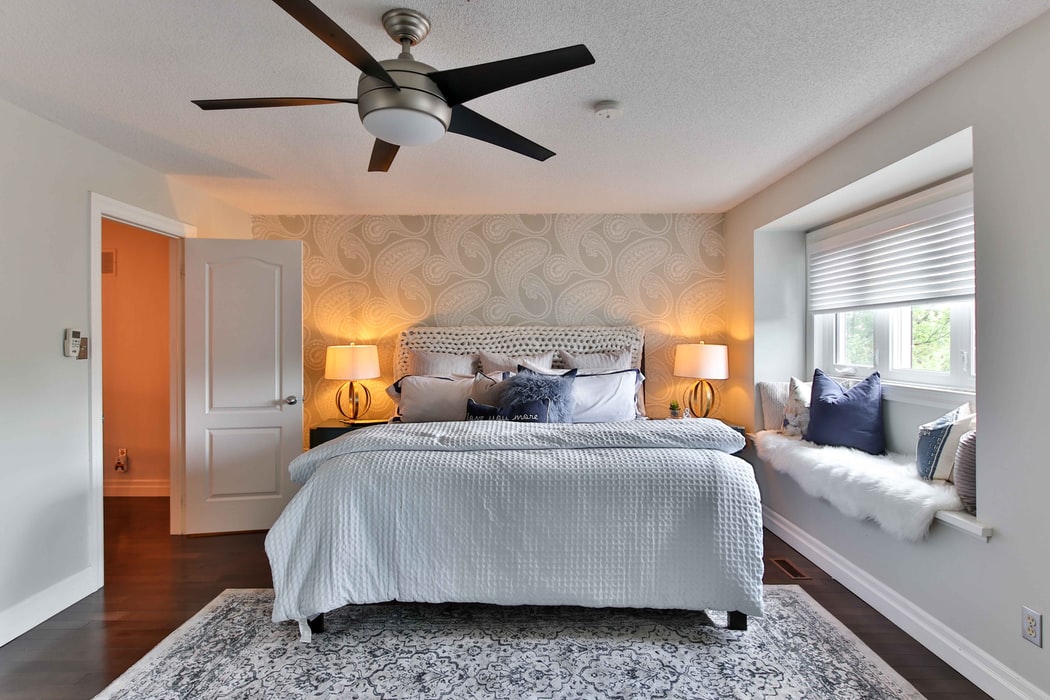
If you are living in Santa Monica, a professional can transform your home’s existing decor using what you already have. Here’s how they do it!
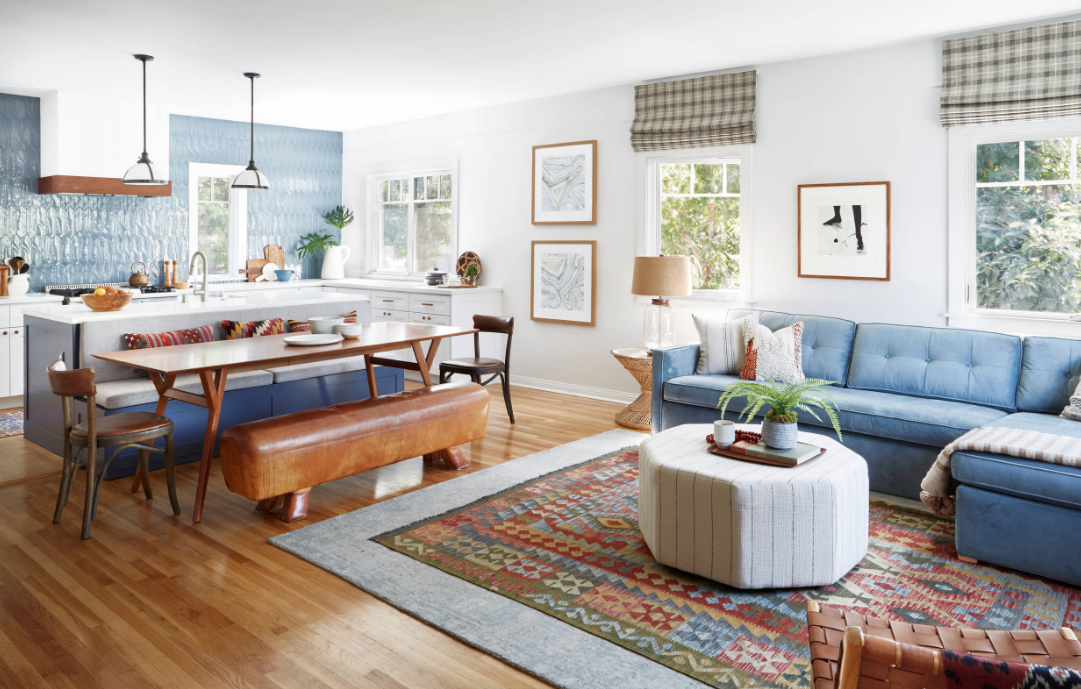
What Makes Transitional Design So Powerful?
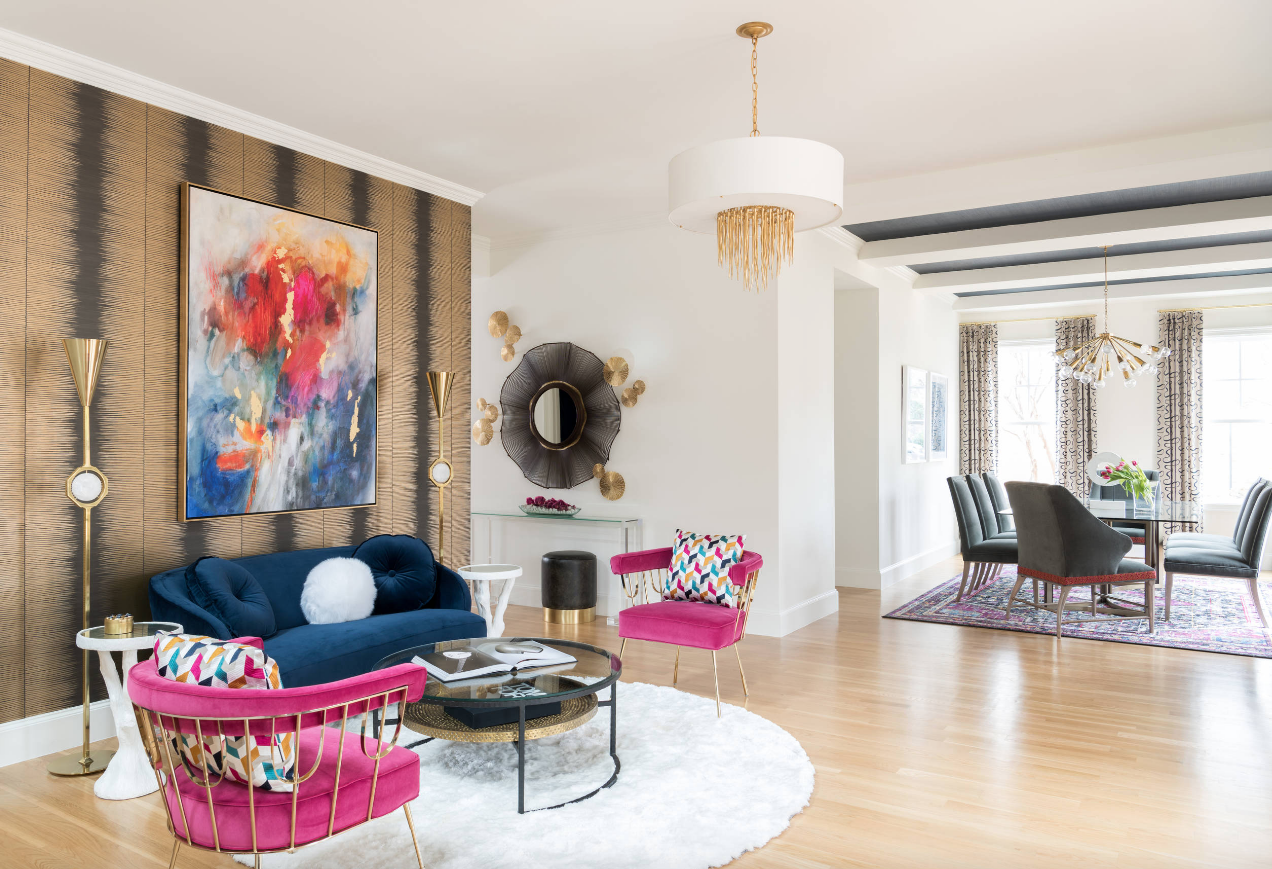
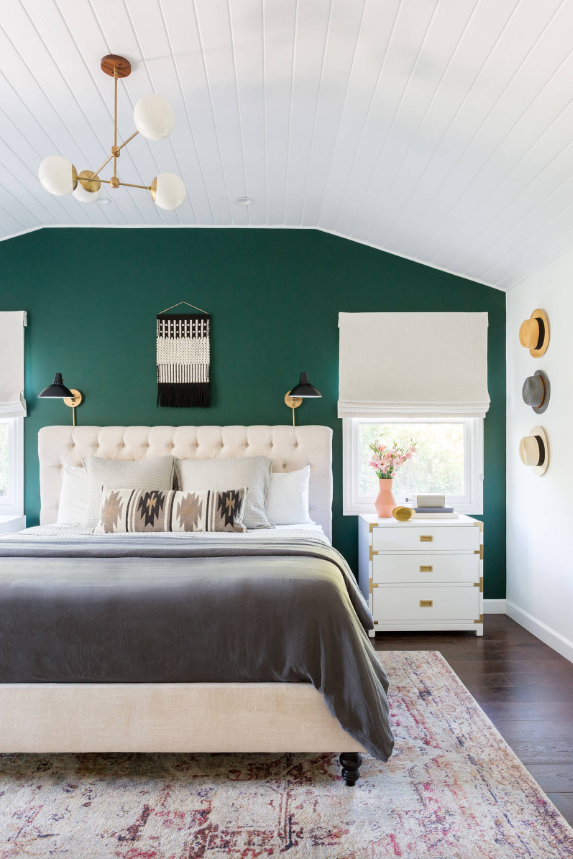
A transitional interior designer Santa Monica understands how to merge modern simplicity with timeless tradition.
This style creates homes that are warm, balanced, and sophisticated without feeling overly formal or too sleek.
When I first stepped into a home styled this way, what struck me was the harmony — elegant lines met soft textures, and nothing felt out of place. It wasn’t stark like a minimalist apartment, nor was it crowded like a traditional estate. It felt inviting.
Santa Monica’s Unique Influence on Interior Design
Santa Monica is defined by light, air, and ocean views.
Homes here often feature open layouts, natural sunlight, and connections to the outdoors.
Transitional interiors thrive in this environment because they enhance these qualities while adding structure and character.
I once visited a coastal bungalow in Santa Monica that had been refreshed with transitional updates. The designer kept the home’s vintage archways but introduced neutral furniture and sleek lighting. The balance honored the home’s history while giving it a modern spirit.
In fact, many homeowners begin their search for a transitional interior designer Santa Monica after realizing they don’t need to gut their house — they just need the right design strategy.
Why Homeowners Choose Transitional Over Full Renovations
Not everyone wants to knock down walls and rebuild from scratch.
For many, the charm of their home lies in the existing details.
Instead of tearing everything out, transitional design works with what’s there, elevating the space with thoughtful updates such as:
- Swapping heavy drapes for airy, neutral fabrics
- Lightening dark wood finishes for a softer tone
- Mixing modern furniture with vintage accents
- Adding natural textures like linen, stone, or woven elements
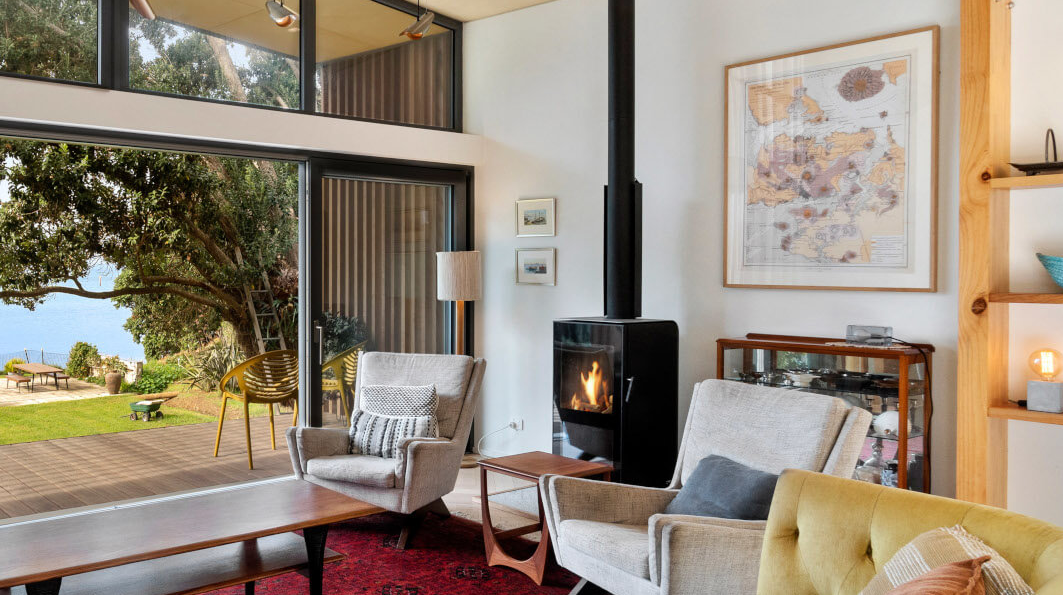
One Santa Monica couple I spoke with said they avoided months of construction by choosing transitional design. They kept their crown moldings and fireplace but paired them with clean-lined furniture and a coastal-inspired palette. The result was both timeless and livable.
The Key Elements of Transitional Interior Design
Neutral Color Palettes
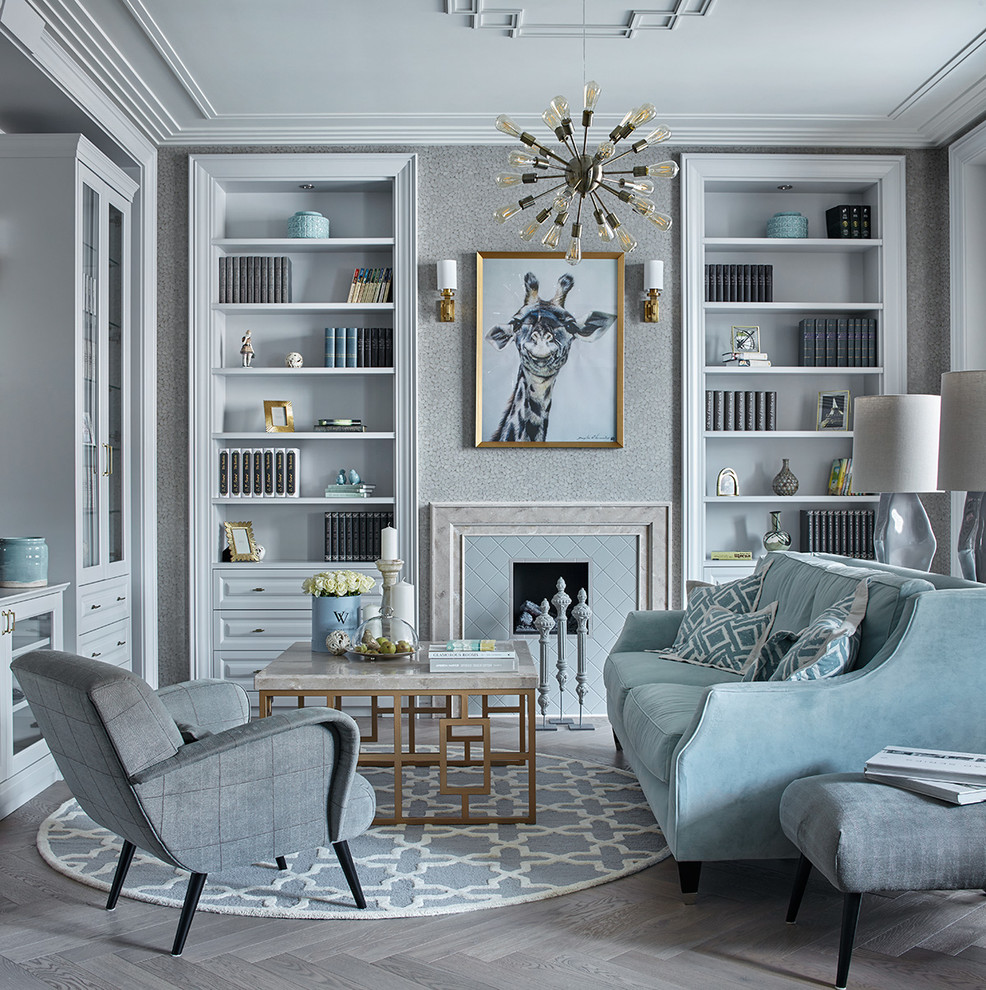
Shades of gray, beige, and off-white form the base, allowing both classic and modern elements to shine together.
Balanced Furniture
You’ll often see a structured sofa with simple lines sitting next to a carved wooden coffee table.
This combination creates richness without feeling mismatched.
Layered Textures
Designers layer fabrics and finishes — think linen sofas, leather chairs, glass accents, and wood flooring — to add depth and warmth.
A Santa Monica condo I visited had glossy finishes replaced with matte textures. That single change softened the space dramatically.
Lighting as a Statement
Lighting becomes the bridge between styles.
A traditional chandelier may hang over a minimalist dining table, or coastal-inspired pendants may highlight a classic kitchen.
The right fixture ties the look together in ways that feel intentional rather than forced.
Real-Life Example: A Santa Monica Family Home
One of my neighbors had a home that hadn’t been touched since the 90s.
It had oak cabinetry, heavy curtains, and dark flooring.
Instead of remodeling everything, they worked with a transitional designer who:
- Painted the cabinetry in a calming gray
- Added quartz countertops with subtle veining
- Installed wide-plank oak floors in a lighter finish
- Mixed streamlined barstools with traditional upholstered chairs
The transformation was stunning.
When I walked in, the space felt refreshed and current, yet still carried the soul of their family home.
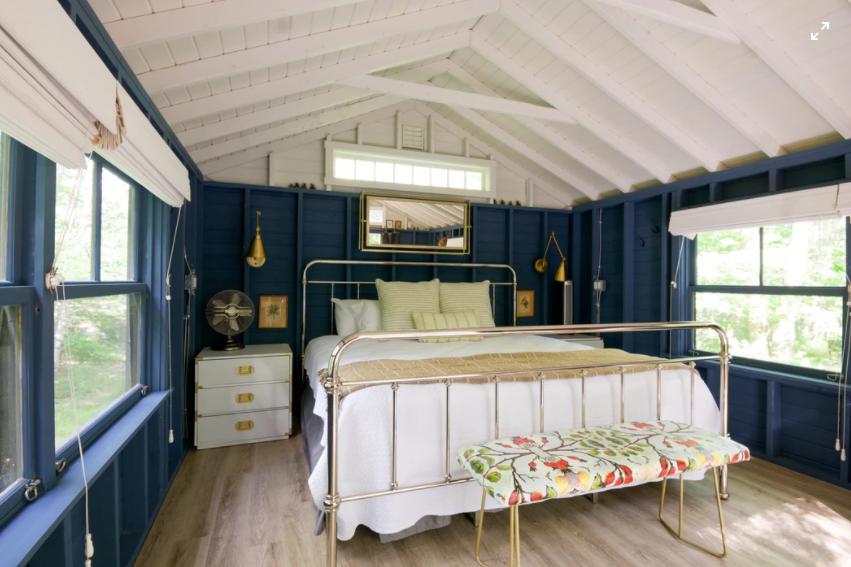
Why Santa Monica Homeowners Love Transitional Design
This city’s architecture is a mix of coastal, Spanish, and modern influences.
Transitional design bridges these styles, making homes feel cohesive and timeless.
It’s also a smart investment.
Buyers are drawn to interiors that feel updated yet approachable. Transitional style strikes that balance perfectly — it’s neither too trendy nor outdated.
Tips If You’re Considering Transitional Design
- Work With What You Have – Keep existing architectural details that give character.
- Invest in Quality – Choose a few standout pieces instead of filling the room quickly.
- Mix Materials Thoughtfully – Combine smooth, polished surfaces with softer textures.
- Keep Spaces Open – Transitional interiors benefit from simplicity and breathing room.
Final Thoughts
Hiring a transitional interior designer Santa Monica can completely transform your living space without the disruption of a full renovation.
It’s about celebrating the character of your home while refreshing it with modern updates that make daily life both stylish and comfortable.
For many families I’ve spoken with, the experience wasn’t about chasing trends — it was about creating a timeless environment that felt truly like home.