Budgeting Tips from a Home Remodeling Contractor Bellevue for Smart Renovations
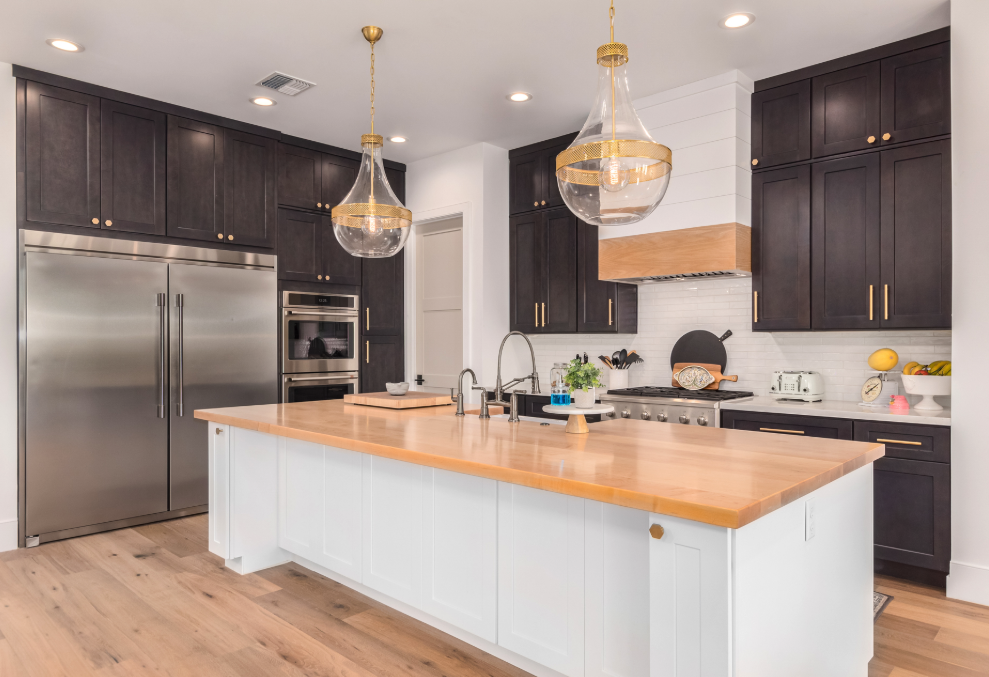
Home remodeling contractor Bellevue projects often start with excitement, but the budget is where most homeowners feel pressure!
I remember planning my own kitchen update thinking I had everything figured out. Then I changed cabinet styles midway, and the cost jumped instantly. That one decision forced me to rethink the entire project. Renovation is not just about choosing designs you love. It is about making smart financial decisions from day one.
When you approach remodeling with a clear budget, you avoid stress, delays, and unnecessary spending. If you are planning a renovation, understanding how to control costs without sacrificing quality is key. This guide breaks down real-world budgeting strategies that work.
Why Budget Planning Matters in Bellevue Remodeling Projects
Bellevue is known for modern homes, rising property values, and high-quality finishes. That also means renovation costs tend to be higher than average. A bathroom upgrade that might cost a certain amount elsewhere can easily increase due to local labor rates and material demand.
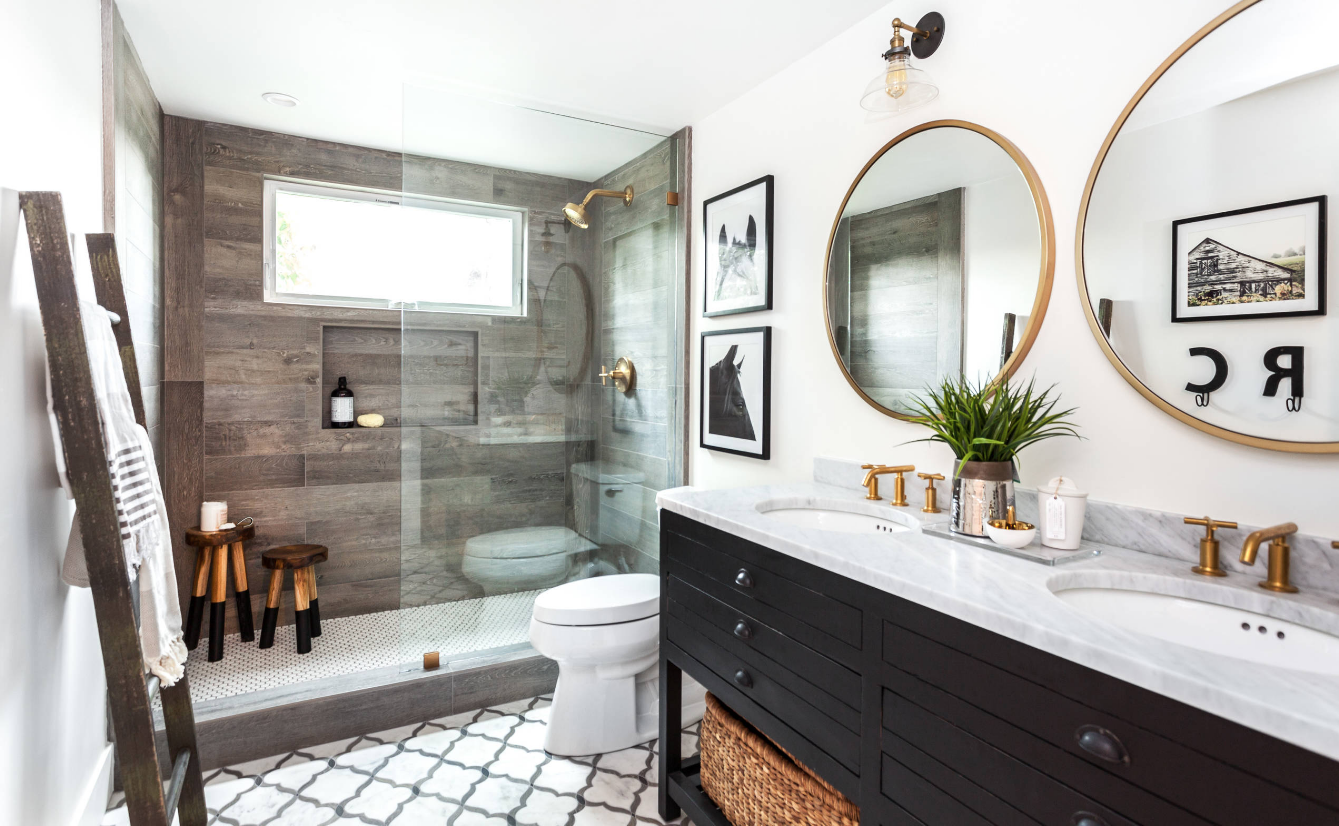
Without a clear budget, small upgrades can turn into expensive decisions. I once worked with a homeowner who planned a simple bathroom remodel. They added heated flooring at the last minute. Then came custom tiles. By the end, the project cost nearly doubled the original estimate. That is why every successful renovation starts with a clear financial plan.
Working with an experienced home remodeling contractor Bellevue can help you plan costs accurately and avoid unexpected expenses.
Setting a Realistic Renovation Budget
The first step is knowing what you can afford. Do not base your budget on online inspiration alone. Those photos often represent high-end builds with premium materials. Instead, create a realistic spending plan. Start by defining your goals.Are you renovating for resale or personal comfort? This decision affects how much you should invest. Break your budget into clear sections.
Key Budget Categories
- Design and planning costs
- Labor and contractor fees
- Materials and finishes
- Permits and inspections
- Emergency or contingency fund
Always reserve at least 10 to 20 percent for unexpected issues. Every remodel uncovers something behind the walls.
Prioritizing Your Renovation Goals
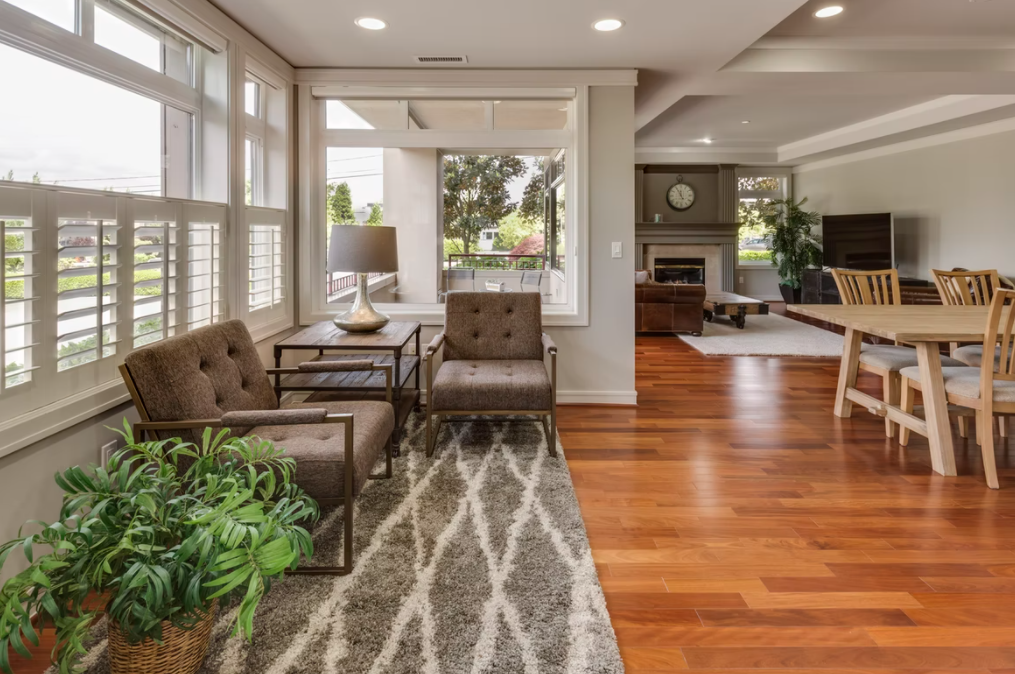
Trying to upgrade everything at once is the fastest way to overspend. Focus on what matters most. I once helped a friend plan a living room remodel. They wanted new flooring, lighting, and built-in storage. The budget could not support all three. We chose flooring first because it changed the entire look of the space. They added lighting later. This approach kept the project affordable and still delivered strong results.
High-Value Upgrades
- Kitchen improvements for resale
- Bathroom updates for comfort
- Open layouts for better flow
- Storage solutions for functionality
Focus on upgrades that deliver the biggest impact.
Making Smart Material Choices
Materials can make or break your budget. It is easy to fall in love with premium finishes. But smart alternatives can offer the same look for less. For example, quartz countertops can look like marble but require less maintenance. Engineered wood can replace hardwood at a lower cost. During my own remodel, I chose high-end tiles for a backsplash. They looked amazing. But they pushed my budget further than expected. Now I always compare options before deciding.
Tips for Saving on Materials
- Compare premium and mid-range options
- Look for durable alternatives
- Buy during sales or clearance
- Avoid over-customization
Small savings on each material add up quickly.
Managing Labor Costs the Right Way
Labor is often the largest expense in any renovation. Choosing the cheapest option can be risky. A neighbor once hired a low-cost contractor to save money. The work looked fine at first. But within months, issues started to appear. They ended up paying more to fix the mistakes. Quality workmanship saves money over time.
How to Choose the Right Professional
- Review past projects
- Check online reviews
- Compare multiple estimates
- Ask detailed questions
Investing in experienced professionals reduces the risk of costly errors.
Avoiding Common Budget Mistakes
Many homeowners go over budget because of avoidable mistakes.
Common Mistakes
- Changing plans during construction
- Ignoring permit costs
- Underestimating timelines
- Choosing trends over long-term value
I once changed a kitchen layout mid-project. It required moving plumbing lines. That single decision increased costs significantly. Sticking to your original plan helps control spending.
Preparing for Hidden Costs
Every renovation has surprises. Walls often hide issues you cannot see in advance. You might find outdated wiring or plumbing problems. Even newer homes can have hidden defects. This is why a contingency fund is essential. Think of it as protection for your budget. Without it, unexpected issues can derail your entire project.
Timing Your Remodel for Better Savings
Timing plays a bigger role than most people realize. Contractors are often busiest during spring and summer. Scheduling your project during slower seasons can help you save money. You may also get more attention and faster timelines. I once scheduled a project during the off-season and received a better rate. That small decision made a noticeable difference.
Final Thoughts on Smart Renovation Planning
A successful remodel is not about spending the most money. It is about making the right decisions at the right time. The best projects I have seen were carefully planned and budgeted. They focused on value instead of unnecessary upgrades. When you approach your renovation with a clear plan, realistic expectations, and smart priorities, you stay in control. Take your time, do your research, and invest wisely. Your home will reflect the effort you put into planning, not just the money you spend.