Markets, Taverns, and Memory: Rethinking Home Cooking After Lisbon
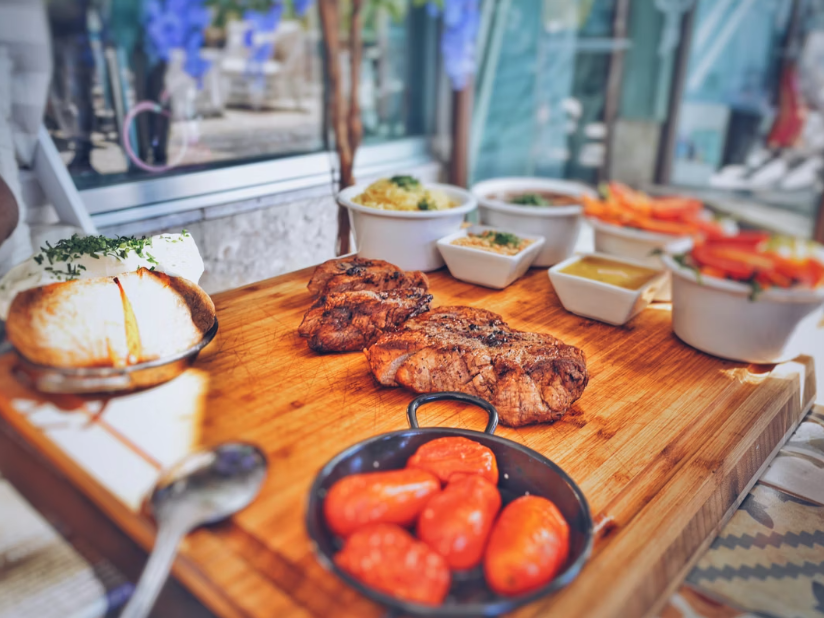
Experiencing Lisbon’s vibrant markets, traditional taverns, and deeply rooted food culture often changes the way we think about home cooking, bringing new appreciation for simplicity, freshness, and shared meals!
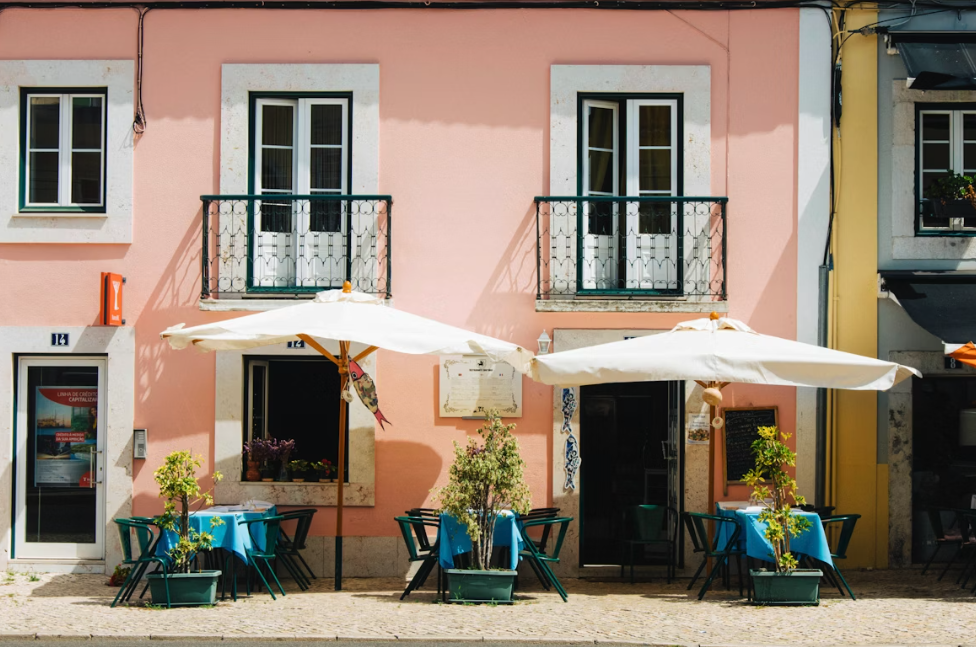
The first thing I noticed in Lisbon was not a monument but a smell.
It drifted through Alfama in the late afternoon—grilled sardines, charred just enough to leave a bitter edge in the air. Laundry fluttered overhead between narrow buildings, and a man in an apron stood beside a metal grill set directly on the pavement, turning fish with an almost ceremonial calm. There was no performance to it. Just repetition. Fire. Salt.
Lisbon calls itself noble and loyal. Its residents carry the affectionate nickname “Alfacinhas,” little lettuces, a reminder that even a humble vegetable can become part of civic identity. I thought about that while eating a bifana—pork marinated in garlic and white wine, tucked into bread still warm from somewhere nearby. The sandwich was simple, almost blunt. Yet nothing about it felt careless.
In Alfama, food seems inseparable from the stones. Cozido à Portuguesa arrives heavy with meats and sausages, steam rising in thick curls. Feijoada carries the comfort of beans and pork cooked slowly, without apology. Pastéis de bacalhau—salt cod fritters—are handed over in paper, crisp outside, soft within. You eat them while walking uphill, crumbs scattering on cobblestones worn smooth by centuries.
What struck me wasn’t extravagance. It was restraint.
In Baixa and Chiado, rebuilt after the earthquake of 1755, the streets straighten out and the architecture turns neoclassical. Yet the food remains stubbornly traditional. I stood in a tavern older than most cities in my own country and ordered caldo verde, a soup of kale and potatoes that tasted like it had never needed improvement. Around me, locals dipped bread into broth and discussed politics in low voices.
Joining a Food tour Lisboa midway through my stay helped me understand how these dishes connect across neighborhoods, not as isolated specialties but as chapters in the same edible story.
Petiscos arrived in small plates—pica-pau slick with garlic and olive oil, chouriço assado flaming briefly before being sliced, caracóis simmered in herb-scented broth. These were not meals designed for spectacle. They encouraged patience. Conversation stretched.
At some point, I realized that Lisbon’s street food wasn’t about speed; it was about rhythm.
Mouraria changed the tempo. The district, once where Muslims were confined after the Christian reconquest, now hums with multicultural kitchens. Goan spices. Mozambican heat. Vietnamese pho simmering beside Portuguese staples. I ate a bowl of curry there one evening that left my eyes watering and my pride slightly bruised. It was not traditional Portuguese fare, yet it felt entirely Lisbon—absorbing influences without surrendering itself.
That night, walking back downhill, I understood that home cooking does not have to be rigid to be rooted.
Belém offered sweetness. Pastéis de Belém, custard tarts blistered on top, dusted with cinnamon. I watched trays emerge from ovens in quick succession, the line barely thinning. The pastry shatters at first bite; the custard settles, rich and warm. I have tried to recreate them at home. My kitchen lacks the river air, and perhaps the centuries of repetition, but the attempt feels important.
I remember thinking, as I stood outside the bakery brushing flakes from my coat, that discipline can taste indulgent.
Back home, my cooking shifted in small ways. I stopped chasing novelty for its own sake. I salt cod more confidently now. I let soups simmer longer. I serve fewer dishes at once and allow them space. When I grill sardines on my modest balcony, neighbors glance up at the smoke with mild suspicion. The smell lingers. I don’t apologize.
Lisbon taught me that food is civic memory made edible. The nickname “Alfacinhas” once amused me; now it feels instructive. Pride can grow from something as ordinary as lettuce, or bread, or beans. The lesson isn’t to replicate every recipe exactly. It’s to understand the patience beneath them.
There was a turning point one afternoon in Chiado. I had ordered arroz doce, rice pudding, expecting something forgettable. Instead, it arrived with a precise lattice of cinnamon on top, drawn by a steady hand. The care startled me. Even dessert demanded attention.
Cooking at home now feels less like improvisation and more like stewardship. I think about the man in Alfama turning sardines without hurry. I think about the tavern soup, the steady murmur of conversation, the custard tarts leaving crumbs on my scarf.
Lisbon did not teach me new ingredients. It taught me proportion. Fire balanced with salt. Tradition balanced with adaptation. Simplicity carried without embarrassment.
The rest, I am still learning, one pan at a time.