How to Remove Soot After a House Fire

A house fire leaves more than burned items. It also leaves soot, a black, powdery residue that sticks to walls, ceilings, and furniture. If not cleaned properly, soot can stain surfaces and cause health problems!
Soot spreads quickly through the air during a fire. It can settle in rooms far from the flames and damage items that look untouched. Acting fast and using the right cleaning steps helps limit long-term damage.
What Is Soot and Why Is It Dangerous?
Soot is made of tiny carbon particles created when materials do not burn completely. Unlike ash, soot is lighter and sticks to surfaces more easily. It can cling to walls, fabrics, appliances, and even inside air ducts.
Soot is harmful because it contains chemicals that can irritate the lungs and skin. Breathing it in may cause coughing, headaches, or trouble breathing. The U.S. Environmental Protection Agency warns that indoor air pollutants after a fire can pose health risks if not removed properly.
Safety First: What to Do Before Cleaning Soot
Before cleaning, make sure the fire department has declared the home safe to enter. Structural damage, weak floors, or exposed wiring can still pose risks. Do not begin cleaning until professionals confirm it is safe.
Turn off your HVAC system to prevent soot from spreading through vents. Wear gloves, long sleeves, goggles, and an N95 mask to protect your skin and lungs. Open windows to improve ventilation and reduce smoke fumes.
Tools and Supplies You’ll Need for Soot Removal
Using the right tools can make a big difference in cleanup results. A HEPA vacuum is important because it traps fine soot particles instead of blowing them back into the air. Regular vacuums may spread soot and make stains worse.
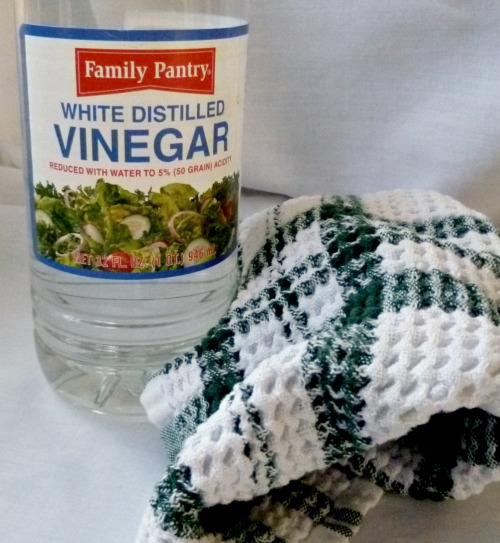
You will also need dry cleaning sponges, mild dish soap, white vinegar, baking soda, and microfiber cloths. Buckets of warm water help with washing surfaces. Always start with dry cleaning methods before using any water.
How to Remove Soot from Walls and Ceilings
Start by vacuuming loose soot using a HEPA vacuum with a brush attachment. Hold the nozzle slightly above the surface to avoid grinding soot into the paint. Work from top to bottom.
Next, use a dry cleaning sponge to gently wipe the wall in one direction. Do not scrub back and forth because that can smear the soot. Once most residue is gone, wash the area with mild soap and warm water. Rinse and dry.
How to Remove Soot from Furniture and Upholstery
Vacuum upholstered furniture using a HEPA vacuum with an upholstery attachment. Avoid pressing too hard because soot can sink deeper into fabric. Test a small hidden area before applying any cleaner.
Sprinkle baking soda over fabric to help absorb smoke odors. Let it sit for several hours before vacuuming it off. If stains remain or the fabrics are delicate, consider hiring a professional smoke and soot removal service.
Removing Soot from Hard Surfaces
Hard surfaces like tile, metal, and sealed countertops are usually easier to clean. Begin by vacuuming loose soot to prevent smearing. Then wash with mild soap and warm water using a soft cloth.
Avoid abrasive scrubbers because they can scratch surfaces and spread stains. For stainless steel, wipe in the direction of the grain. Wood floors may need cleaners designed for finished wood to prevent damage.
How to Get Rid of Smoke Odor After Soot Cleanup
Even after cleaning visible soot, smoke odors can remain. Air purifiers with HEPA filters can help remove lingering particles. Placing bowls of baking soda or activated charcoal around the home may reduce smells.
In severe cases, professionals use ozone machines or thermal fogging equipment. These tools neutralize odors that have seeped into walls and furniture. The Institute of Inspection Cleaning and Restoration Certification sets standards for proper odor removal methods.
Insurance and Documentation After a Fire
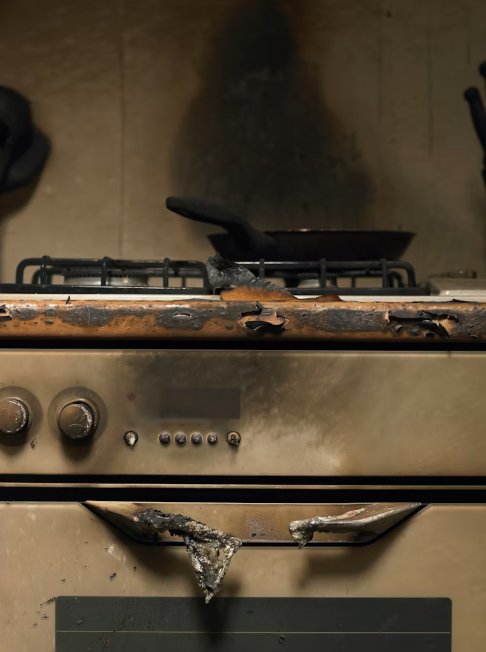
Before starting major cleaning, take clear photos of all damage. These photos can support your insurance claim and show the extent of the problem. Keep damaged items until your adjuster advises you to dispose of them.
Many homeowners file claims with companies. Contact your insurer as soon as possible to begin the claims process. Keep records of cleaning expenses and repair estimates.
Common Mistakes to Avoid During Soot Removal
One common mistake is using water too early in the cleaning process. Water can mix with soot and create dark stains that are harder to remove. Begin with dry methods before applying moisture.
Another mistake is scrubbing too hard or using the wrong vacuum. Aggressive cleaning can push soot deeper into surfaces. Taking your time and using the right tools will lead to better results.
Conclusion
Removing soot after a house fire takes patience and care. Acting quickly helps prevent permanent staining and lasting odors. Using proper tools and protective gear protects both your home and your health.
If the damage feels overwhelming, do not hesitate to contact a professional restoration company. Experts can assess hidden damage and restore your home safely. With the right steps, your home can recover from fire damage and feel livable again.