Understanding The Basics Of A Homebuilding Project
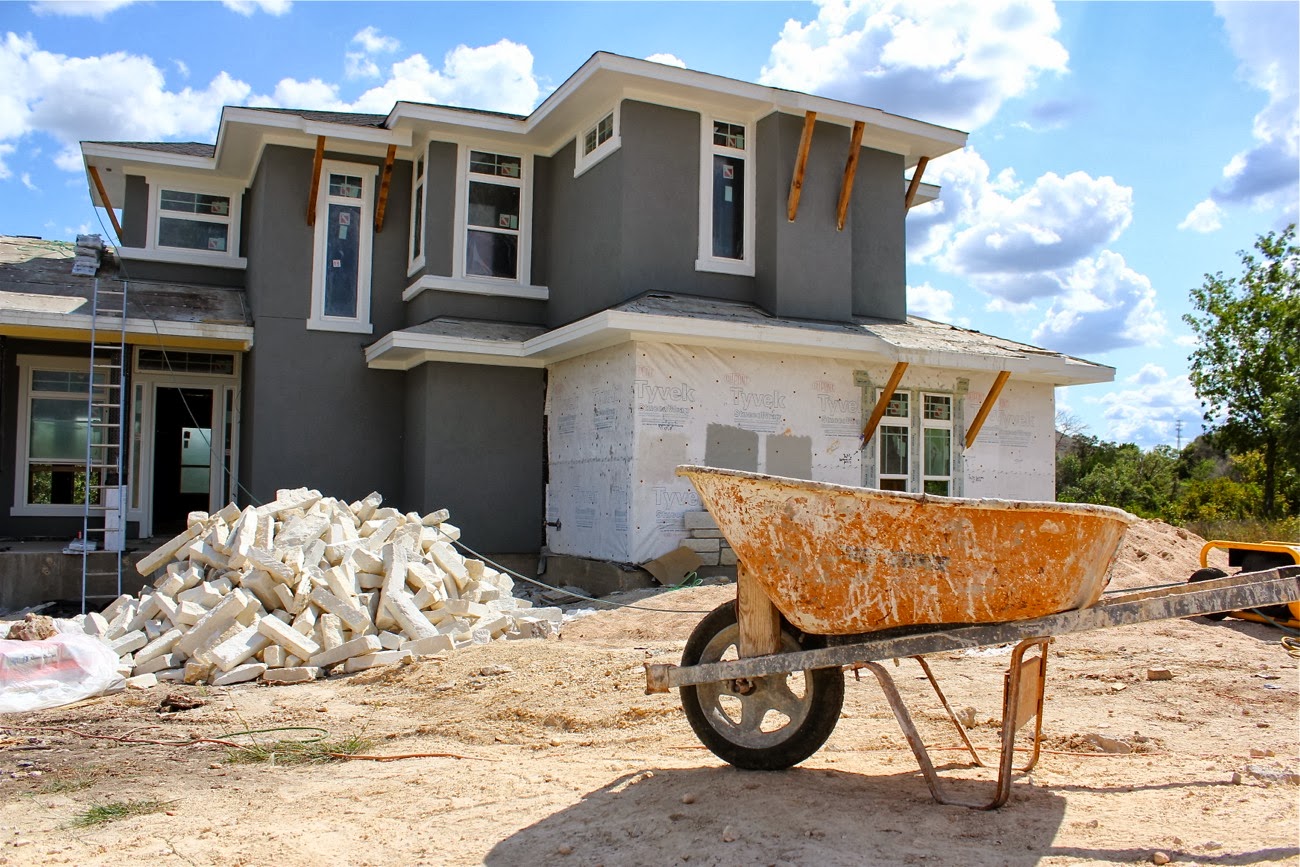
Understanding the basics of a homebuilding project helps turn a complex investment into a smoother, more predictable process!
Building a home from the ground up represents one of the most significant investments most people will make in their lifetime. Whether you’re a first-time builder or an experienced contractor, understanding the fundamental elements of a homebuilding project can mean the difference between a smooth construction process and a costly, time-consuming ordeal. The residential construction industry in the United States alone accounts for approximately $380 billion annually, with single-family home construction making up the majority of this figure.
Pre-Construction Planning and Design
Before breaking ground, successful homebuilding projects begin with comprehensive planning. This phase typically consumes 15-20% of the total project timeline but prevents expensive mistakes down the line. The planning stage involves securing financing, selecting an appropriate lot, obtaining necessary permits, and finalizing architectural designs. According to the National Association of Home Builders, the average time from permits to completion for a single-family home was approximately 9.6 months in 2022, though this varied significantly by region and project complexity.
Site evaluation plays a crucial role during this phase. Soil testing determines foundation requirements, while topographical surveys identify potential drainage issues. Many builders discover that unforeseen site conditions account for roughly 10-15% of budget overruns, making thorough preliminary assessments essential. Local zoning regulations and building codes must also be reviewed carefully, as non-compliance can result in costly modifications or even demolition of completed work.
Foundation and Structural Framework
Once planning concludes, construction begins with site preparation and foundation work. The foundation serves as the literal groundwork for everything that follows, and its importance cannot be overstated. Depending on soil conditions, climate, and design preferences, builders typically choose between slab, crawl space, or full basement foundations. Each option carries distinct advantages and cost implications, with slab foundations generally being the most economical at approximately $4-$8 per square foot, while full basements can cost $10-$25 per square foot.
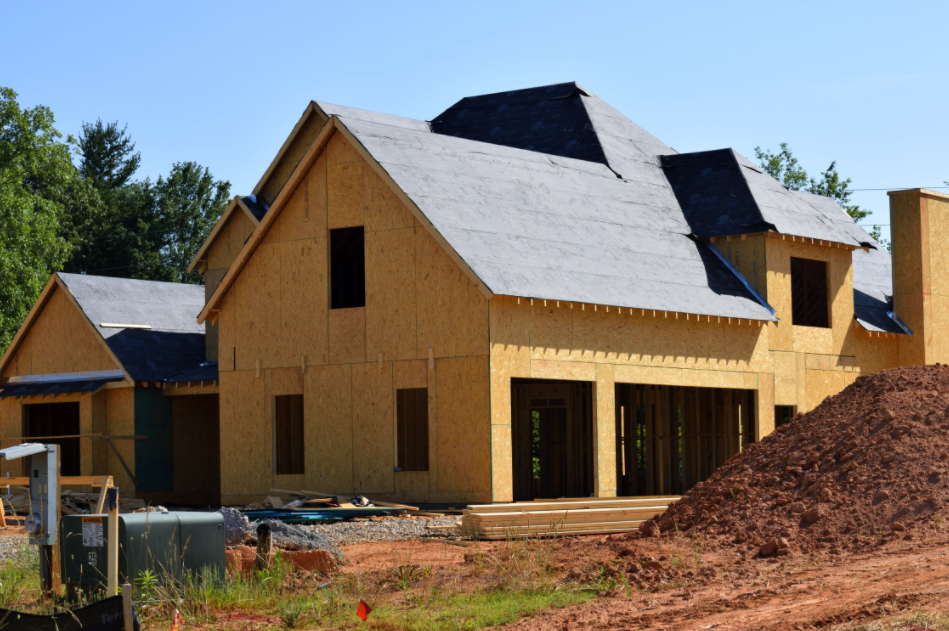
The framing stage follows foundation completion and represents one of the most visually dramatic phases of construction. During this period, the home’s skeleton takes shape, transforming architectural drawings into three-dimensional reality. Wood remains the dominant framing material in American residential construction, accounting for approximately 90% of new homes. Quality materials are paramount during this stage, and many builders establish relationships with reliable suppliers for lumber yards in Syracuse, NY, or similar regional distributors to ensure consistent access to properly graded and dried lumber.
Systems Installation and Utilities
With the structural framework complete, the project transitions to systems installation. This phase encompasses electrical wiring, plumbing, HVAC systems, and insulation. These systems typically represent 20-25% of total construction costs and require licensed professionals for proper installation and code compliance. The complexity of modern building codes means that DIY approaches to these systems rarely prove cost-effective and often create more problems than they solve.
Energy efficiency has become increasingly important in systems design. Modern building standards emphasize reduced energy consumption, with many jurisdictions now requiring minimum efficiency ratings for insulation, windows, and HVAC equipment. Homes built to Energy Star standards consume approximately 15-30% less energy than conventional homes, translating to substantial long-term savings despite slightly higher upfront costs.
Exterior and Interior Finishing
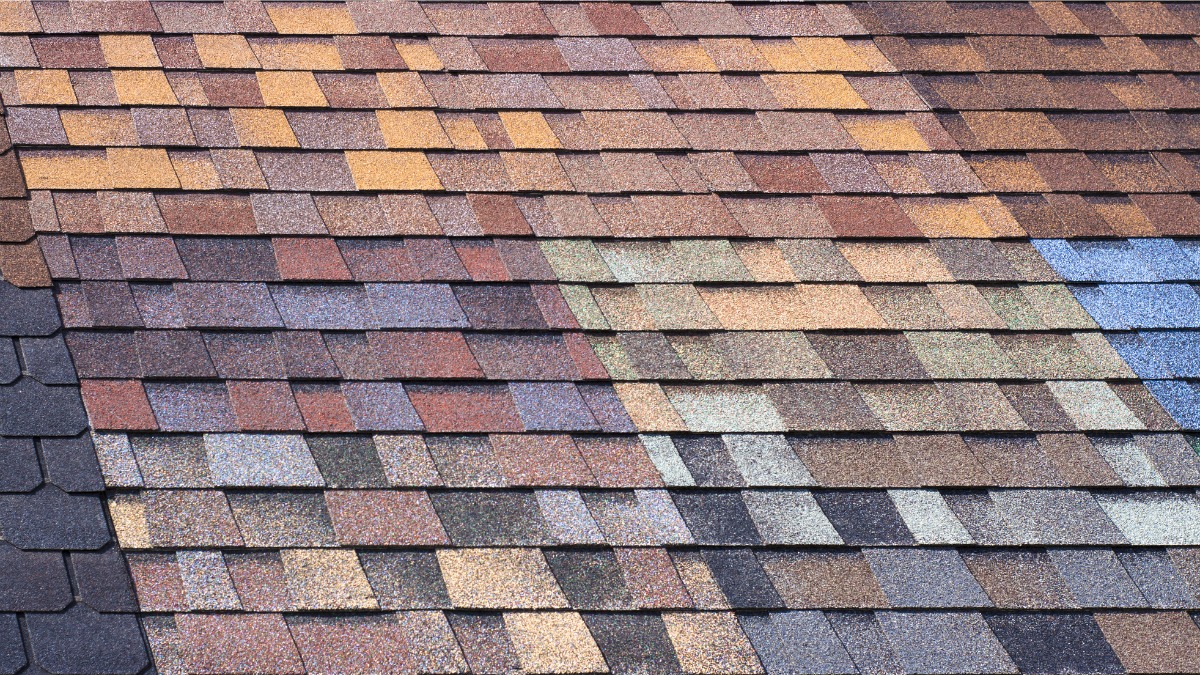
The exterior finishing phase protects the home from weather while establishing its aesthetic character. This includes roofing, siding, windows, and doors. Material selection during this phase significantly impacts both immediate costs and long-term maintenance requirements. Asphalt shingles remain the most popular roofing choice, covering approximately 80% of American homes due to their balance of affordability and durability.
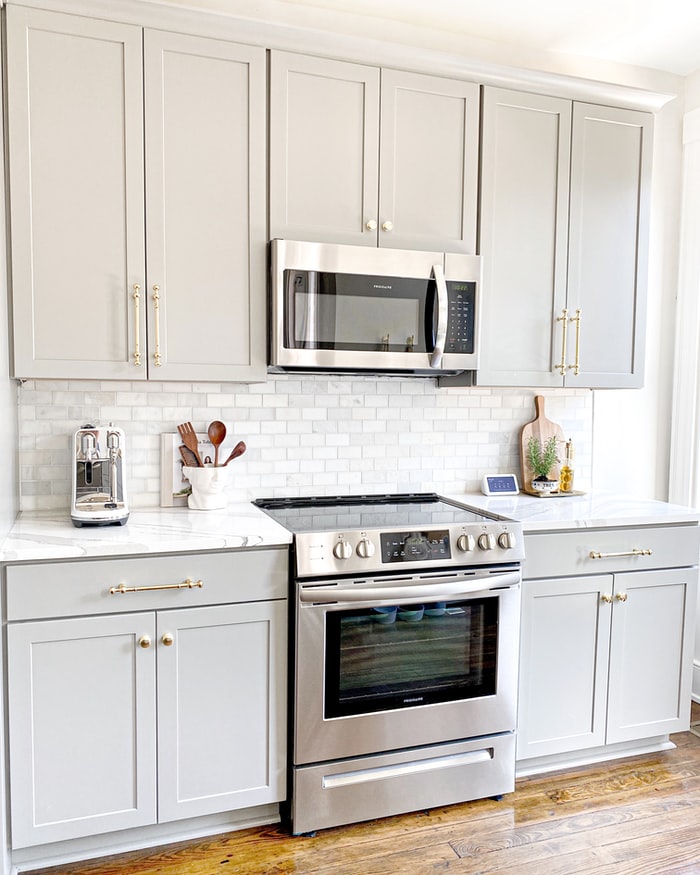
Interior finishing transforms the structure into a livable space. Drywall installation, painting, flooring, cabinetry, and fixture installation occur during this stage. Interior finishes typically account for 25-30% of total construction costs and offer the greatest opportunity for customization. The choices made during this phase substantially influence the home’s final appearance and market value.
Final Inspections and Move-In
The construction process concludes with final inspections, punch list completion, and certificate of occupancy issuance. Multiple inspections occur throughout construction, but the final walkthrough ensures all systems function properly and all work meets applicable codes. Statistics indicate that the average new home requires approximately 15-20 punch list items before final approval, ranging from minor cosmetic issues to functional corrections.
Budget Management Throughout the Process
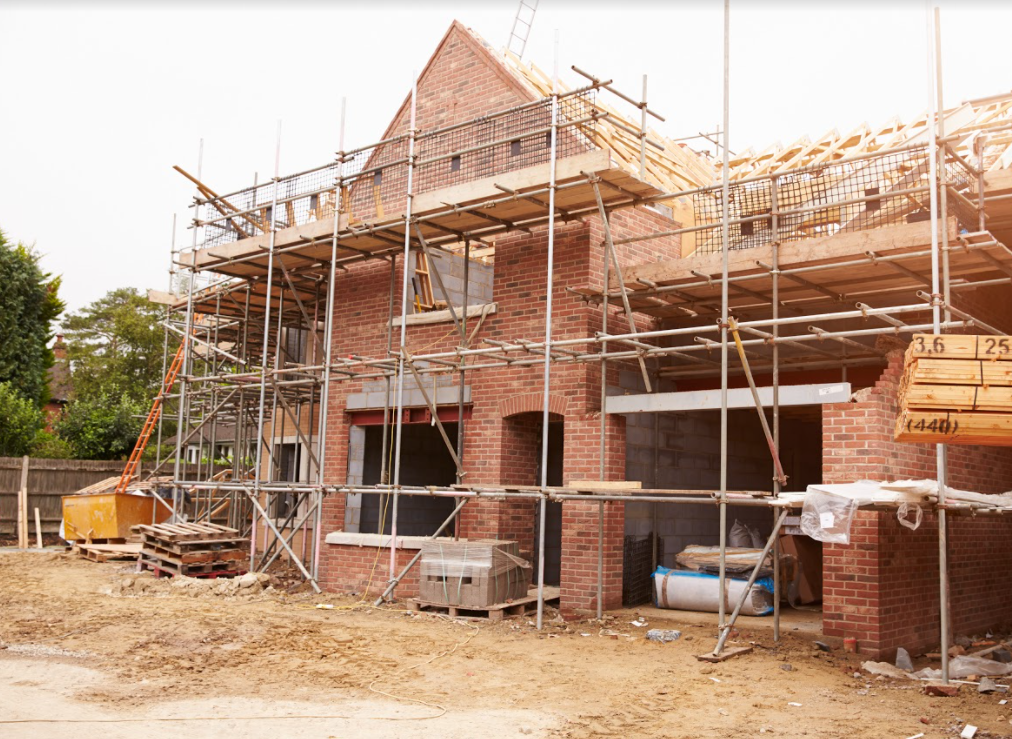
Effective budget management remains critical throughout every construction phase. Industry data suggests that approximately 75% of homebuilding projects exceed their initial budgets by at least 10%. Setting aside a contingency fund of 15-20% helps absorb unexpected costs without derailing the entire project. Regular communication between owners, contractors, and suppliers helps identify potential cost overruns early when corrective action remains most effective.
Material price fluctuations represent one of the most unpredictable budget variables. Lumber prices, for instance, can swing dramatically based on supply chain conditions and market demand. During 2021, lumber prices reached historic peaks, increasing construction costs by an estimated $36,000 per home. Labor costs constitute another significant budget consideration, typically representing 30-40% of total construction expenses.
Understanding these fundamental aspects of homebuilding projects empowers owners and builders to make informed decisions, anticipate challenges, and ultimately create homes that meet both functional requirements and personal aspirations. While the process demands significant time, financial resources, and attention to detail, the result provides shelter, investment value, and personal satisfaction for years to come.