Home Construction: What Homeowners Should Know Before Breaking Ground
Building a home is one of the biggest investments most people will ever make!
It’s exciting, but it’s also a project with a lot of moving parts, timelines, and decisions that can affect cost, quality, and long-term comfort. The more you understand the construction process before you start, the smoother your project will go once crews are on site.
Home construction isn’t just about putting walls up and installing finishes. A successful build requires the right planning, solid groundwork, careful framing, weather protection, and consistent attention to detail at every stage. From the foundation to the final walkthrough, the best outcomes come when homeowners know what to expect, ask the right questions, and work with a contractor who can guide the process professionally.
This guide breaks down the key stages of home construction, common mistakes to avoid, and practical ways to protect your budget while still getting a home that feels sturdy, efficient, and built to last.
The first stage: planning and site prep
Before the first shovel hits the dirt, good builders spend time preparing. This stage usually includes reviewing plans, understanding local requirements, verifying measurements, and making sure the site is ready for the build.
Site prep often includes clearing, grading, and ensuring water flows away from where the home will sit. Drainage is one of those details that doesn’t look glamorous on day one, but it matters for decades. Poor grading can lead to water problems later, including basement moisture, foundation movement, or landscaping headaches that never fully go away.
At this phase, homeowners should also confirm details that affect the entire build, such as where utilities will enter, where the driveway will connect, and how outdoor spaces like patios or decks will tie into the final layout.
Foundation work: your home’s stability starts here
A strong foundation supports everything above it. While the exact type depends on the region and design, foundations generally fall into a few main categories: basements, crawl spaces, and slab-on-grade.
What matters most is proper excavation, correct reinforcement, and good drainage strategy. When foundations are rushed or shortcuts are taken, the consequences can show up as cracks, uneven floors, and water intrusion. Those problems are far more expensive to fix later than they are to prevent early.
This is also where homeowners should pay attention to details like sill plate placement, anchor bolts, and the condition of concrete after pouring. A foundation doesn’t have to look perfect to be strong, but it should be consistent, well-supported, and properly prepared for framing.
Framing: when the house finally takes shape
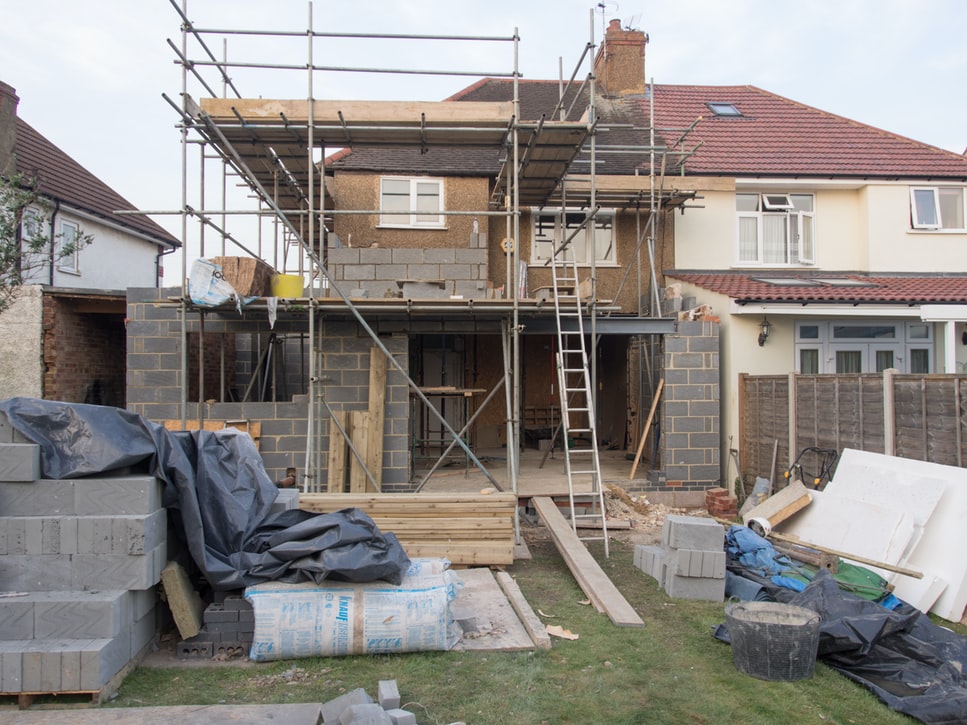
Framing is the stage where your home starts to look like a home. Walls go up, floor systems are installed, rooflines take shape, and window openings become real. It’s also one of the most important stages for long-term quality.
Good framing isn’t just about speed. It’s about accuracy, straight walls, proper nailing, and smart layout planning. Professional crews measure constantly to keep things square and plumb, because small mistakes early can turn into big alignment problems later when drywall, cabinets, or trim go in.
There are a few framing details that can make a huge difference in the finished home:
- Straight walls that stay true from bottom plate to top plate
- Correct beam and header sizing over openings
- Proper fastening patterns that match structural needs
- Strong roof framing that handles loads and prevents sagging
A homeowner doesn’t have to know every framing code to ask smart questions. You can simply ask how the crew verifies walls are straight, how openings are checked, and what steps are taken to avoid future squeaks and movement.
Weatherproofing: protecting the home from day one
Once framing is up, the next priority is protecting the structure from weather. This often includes sheathing, house wrap, flashing, windows, and exterior doors. The goal is to keep bulk water out while still allowing the home to manage moisture properly.
This is where many builds either succeed or struggle long-term. When house wrap is installed correctly and properly taped, and when flashing is done right around openings, the home is far better protected from wind-driven rain, drafts, and hidden leaks.
Good weatherproofing also supports energy efficiency. Air leaks and moisture intrusion often lead to higher bills, comfort issues, and premature wear on materials. A well-sealed envelope helps keep temperatures stable and reduces strain on the HVAC system.
Two areas where attention to detail matters most are:
- Window and door flashing (especially at corners and sills)
- Transitions between rooflines, siding, and trim areas
It’s not unusual to see beautiful homes that look perfect from the street but have moisture problems inside the walls due to poor flashing. That’s why contractors who take the time to get this right provide real value.
Roofing and ventilation: more important than most people realize
A roof isn’t just shingles. It’s a system. It needs the right underlayment, correct edge detailing, proper flashing, and adequate ventilation. If any one of those pieces is missing, it can shorten the roof’s lifespan and cause attic problems.
Ventilation is especially important because it helps control moisture and temperature. Poor attic ventilation can lead to excess heat buildup, ice dams in winter climates, and trapped moisture that can affect insulation and framing.
Homeowners often focus on shingle color and style, which is fine, but the performance details are what matter most. Ask about underlayment choice, ice and water protection (where relevant), ridge vent plans, and how airflow will be balanced from soffit to ridge.
Rough-ins: plumbing, electrical, HVAC, and the “hidden” build quality
After the home is weathered in, the rough-in phase begins. This is where mechanical systems go in before drywall: plumbing lines, electrical wiring, and HVAC ductwork.
Rough-ins don’t get much attention on social media, but this is where comfort and function are built in. The decisions made here affect everything from lighting and outlet placement to airflow, noise levels, and overall efficiency.
Good contractors coordinate these trades carefully so systems don’t conflict and work remains clean. If rough-ins are rushed, you can end up with awkward placements, hard-to-service runs, and compromises that make no sense once the home is finished.
A simple way to stay involved as a homeowner is to do a walkthrough before insulation and drywall. Check outlet locations, light switch height and placement, shower valve location, and any custom items you requested. This is the best time to catch problems, because after drywall it becomes expensive to change.
Insulation and air sealing: comfort, energy savings, and quiet
Insulation is one of the most cost-effective upgrades in the entire build because it impacts comfort for as long as you live in the home. But insulation is only as good as the air sealing done before it.
Air sealing stops drafts and uncontrolled airflow, while insulation slows heat transfer. When both are done correctly, homes feel noticeably better. Rooms stay more consistent, HVAC systems run less, and outside noise can be reduced.
Common areas that should be addressed for better performance include attic penetrations, rim joists, and transitions where framing meets foundation. Homeowners who prioritize this stage often notice the difference immediately, especially during the first summer and winter in the home.
Drywall and interior finishes: where details become visible
Drywall is a major milestone. Once drywall is installed, the home shifts from a construction site look to something that feels close to finished. After this stage, the project moves into trim, paint, flooring, cabinetry, and fixtures.
It’s easy to focus on finishes because they’re what you see every day. But the best builds combine attractive finishes with strong fundamentals underneath. When floors are level, framing is straight, and mechanical work was coordinated correctly, finish work goes faster and looks cleaner.
This is also where timing matters. If finish work is rushed, you can end up with paint issues, rushed trim cuts, or flooring problems that should have been avoided with better scheduling. A steady pace often produces better results than trying to “finish at all costs.”
The final walkthrough: don’t rush the last 2 percent
The last stretch of a build can feel like it takes forever, even when progress is strong. That’s because final tasks often include a long list of small details: touch-ups, adjustments, hardware installs, trim fixes, and cleanup.
The final walkthrough is your chance to confirm everything is working, installed correctly, and finished to the level you expected. Take your time and make sure you understand warranty details, maintenance needs, and what’s normal during the first year of living in a new build.
Two smart steps at this stage include:
- Testing every light switch, outlet, and fixture
- Checking doors and windows for smooth operation and good seals
A professional builder will want you to be happy and will be prepared to address reasonable punch list items.
Common home construction mistakes homeowners can avoid
Even with a good contractor, homeowners can make decisions that lead to unnecessary stress. The most common mistakes usually come down to planning, communication, and unrealistic expectations.
Here are eight mistakes to watch out for:
- Changing layouts too late in the build process
- Picking finishes without confirming lead times
- Not clarifying what is included in the contract
- Skipping the pre-drywall walkthrough
- Assuming every contractor uses the same quality standards
- Underestimating how weather affects scheduling
- Not budgeting for small upgrades that improve daily comfort
- Choosing the lowest bid without comparing scope and materials
A great build is a partnership. The more aligned the expectations are early on, the smoother the build becomes.
How to choose the right builder for home construction
When hiring a contractor for a full build, experience and communication matter just as much as craftsmanship. You want a builder who can schedule trades, maintain quality standards, and keep you informed.
Here are six questions worth asking before you hire anyone:
- How do you keep the project on schedule and handle delays?
- What is your typical build timeline for a home like mine?
- How do you handle change orders and pricing updates?
- What quality checks do you perform during framing and waterproofing?
- How do you communicate progress and milestones with homeowners?
- Can you explain the warranty coverage and what it includes?
Contractors who answer clearly and confidently are usually easier to work with. If someone is vague now, it often gets worse once the build is underway.
A local example of what “built right” looks like
Across Indiana communities, homeowners want the same things: strong structure, low maintenance, consistent comfort, and a home that feels solid over time. The best builds focus on fundamentals first and finishes second, because quality underneath is what keeps everything performing.
Companies like Patriot Property Pros approach home construction with that mindset. Instead of treating builds like a race, they prioritize clean framing, weather protection, and practical decisions that support long-term performance. For homeowners planning a new build, working with a contractor who values durability and details can make the entire experience more predictable and less stressful.
If you’re researching builders or learning more about the process, this guide to <a href=”https://patriotpropertypros.com/construction-company-terre-haute/” target=”_blank” rel=”noopener”>home construction</a> can help you understand what goes into a professional build and what to expect at each stage.
Final thoughts: home construction should feel exciting, not overwhelming
Home construction is a big project, but it doesn’t have to feel confusing. When you understand the stages, ask the right questions, and work with a builder who communicates clearly, the process becomes far more manageable.
The best outcomes happen when homeowners focus on the fundamentals: a strong foundation, accurate framing, weatherproofing that keeps moisture out, and insulation work that supports long-term comfort. When those priorities are handled well, the home not only looks great, it performs well year after year.
If you’re planning a new build or you’re in the early stages of design, taking time to learn the process now will help you make smarter decisions and get better results when construction begins.