5 Ways to Make Your Basement Makeover a Little More Eco-Friendly

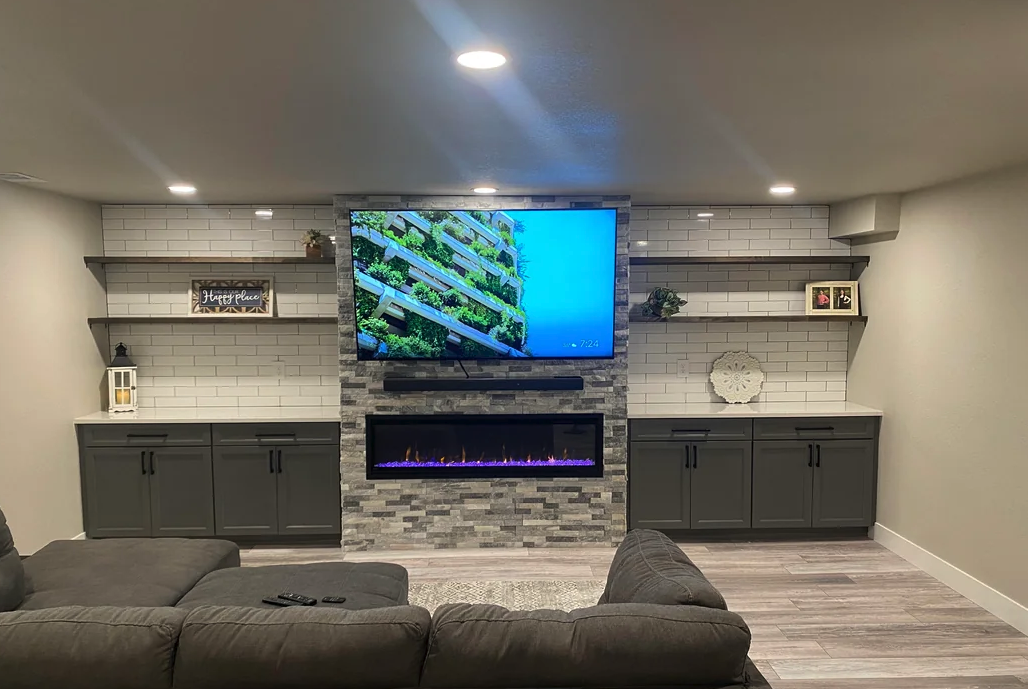
Giving your basement a fresh, new look is a fun way to create more space in your home!

However, home makeovers can come with extra waste from discarded materials, leftover supplies, and replaced furniture.
While some waste is unavoidable during a basement makeover, you can make eco-conscious choices throughout the project to help reduce your environmental impact. Here are five ways to make your basement makeover more eco-friendly and sustainable.
1. Fix Moisture Problems First
A basement makeover can become wasteful if moisture problems damage your new flooring and furniture. Water stains, mold growth, and damp materials may force you to replace items sooner than expected, leading to more waste and expenses.
Before decorating your new basement space, check for leaks, humidity issues, and signs of water damage. If you spot any problems or are wondering how to fix water in your basement, a basement waterproofing company can protect the space and prevent future damage. Start with a dry foundation to help your new basement features last longer. You’ll save yourself the trouble of constantly replacing damaged materials.
2. Upgrade to Energy-Efficient Lighting
Basements need extra lighting because they have fewer windows and basically zero natural sunlight. Older bulbs can use more energy than necessary, especially in a room where lights stay on longer.
Switch to eco-friendly lighting options like LED bulbs. These can help lower energy use and create a more sustainable space. Go with warm bulbs for a softer, cozier glow, and layer lights through floor lamps and sconces on top of your regular overhead light. This small update can make your basement more inviting while helping your home use energy more wisely.
3. Use Low-VOC Paint on Walls
Fresh paint can completely change your basement’s vibe. However, some traditional paints release chemicals that affect indoor air quality. Since basements have limited airflow, choose a cleaner option. Look for low-VOC or no-VOC paint when updating your walls. These paints release fewer harmful compounds, reducing indoor air pollution. They’re also perfect if you have kids or pets and you want to limit their exposure to harsh chemicals.
4. Choose Furniture That Lasts
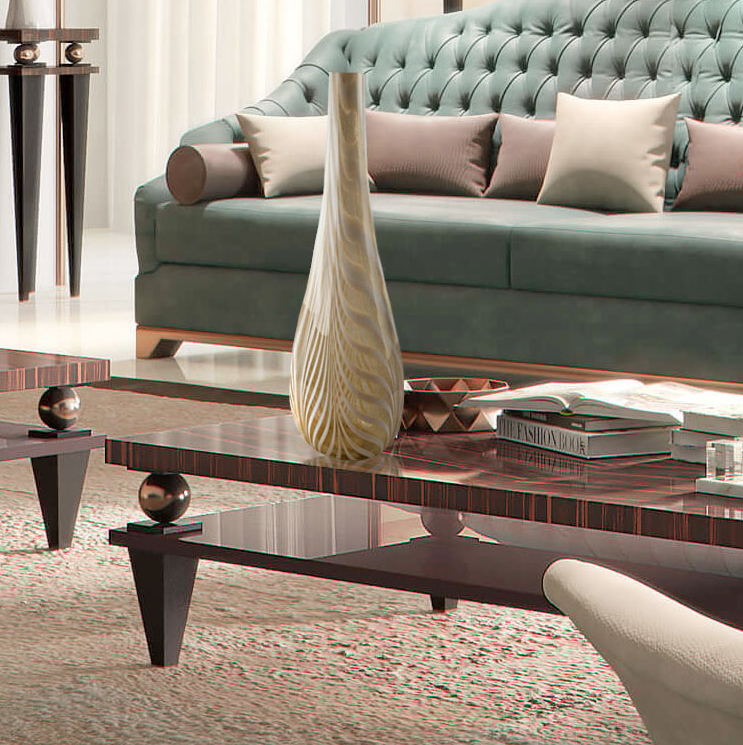
Buying cheap furniture that wears out quickly can lead to more waste over time. A basement family room or hobby area deserves pieces that can handle years of use. Choose sturdy furniture made from durable materials that will last in your home for a long time.
Look for quality sofas and solid wood tables. Even if they cost a little extra, invest in them to create a more sustainable space. Taking care of your furniture with regular cleaning and simple repairs helps extend its life, too. That means no replacements and zero items thrown in landfills.
5. Decorate with Old or Secondhand Knick-Knacks
A brand-new basement doesn’t require filling every corner with newly purchased decor. New items often use more resources to produce, package, and transport. Giving existing pieces a second life can be the greener choice.
Shop at thrift stores or flea markets for knick-knacks and decorate your space with antiques. You could also scavenge through your stuff and find old, personal touches, like an old photo frame. Vintage lamps, handmade pottery, and other quaint pieces can add character to your new basement without needing to buy anything new.
Endnote
The ideas above can help you reduce waste and choose more eco-friendly design details, all while creating a cozy space you’ll love. Follow them, and your new basement can become a room you enjoy while reflecting the values you care about. It’s awesome that you’re showing your basement some love.