What to Do When You Discover a Leak in Your Home: When Plumbing Services Can Help
Discovering a leak in your home can be stressful, but acting quickly can make a big difference in how much damage it causes.

Whether you notice water under the kitchen sink, a damp spot on the ceiling, or a mysterious puddle near an appliance, the first few steps you take are important. Some leaks are simple and easy to identify, while others can remain hidden behind walls or under flooring for quite some time.
Knowing what to do when you first notice a problem can help protect your home, prevent water damage, and make repairs much easier.
Turn Off the Water
The first thing you should do when you discover an active leak is stop the flow of water if possible.
If the leak is coming from a sink, toilet, washing machine, or another fixture, look for a nearby shutoff valve. Turning this valve clockwise will usually stop the water supply to that particular fixture.
For larger leaks or situations where you cannot determine where the water is coming from, you may need to shut off the main water supply to the house.
It is a good idea for every homeowner to know where the main shutoff valve is located before an emergency happens.

Protect the Area Around the Leak
Once the water has been turned off, remove anything nearby that could be damaged.
Move rugs, furniture, storage boxes, electronics, and other belongings away from the wet area. Use towels, buckets, or containers to collect any remaining water.
If a large amount of water has reached the floor, dry the area as soon as possible. Standing water can quickly damage flooring, cabinetry, drywall, and baseboards.
Opening windows or using fans can also help the area begin drying while you investigate the problem.
Try to Identify Where the Water Is Coming From
Not every wet spot means the leak is directly above it.
Water can travel along pipes, beams, walls, and ceilings before becoming visible. A damp ceiling, for example, could be caused by a bathroom fixture on the floor above rather than a problem inside the ceiling itself.
Look around nearby sinks, toilets, showers, appliances, and exposed plumbing.
Pay attention to dripping sounds, water stains, damp cabinets, unusual odors, or areas where paint and drywall appear swollen.
Finding the general source can make it easier to determine what kind of repair may be needed.
Know When Plumbing Services Are Necessary
Some small plumbing problems can be handled with a simple repair, but others need professional attention.
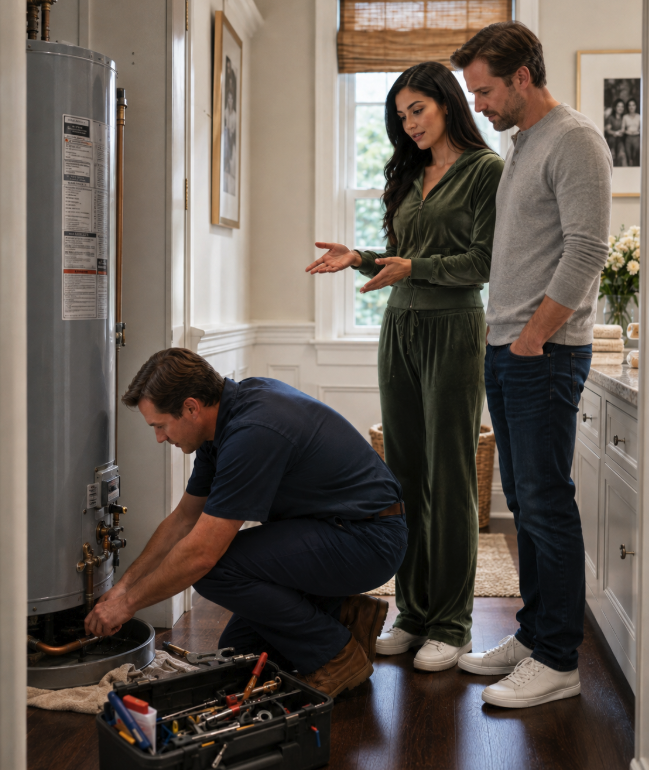
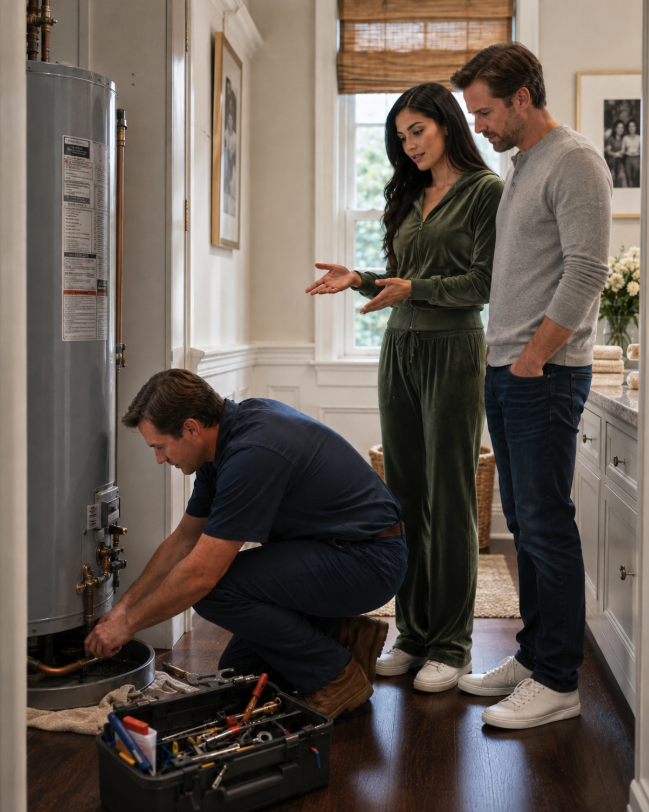
If the source of the leak is difficult to locate, water continues to appear after the supply has been turned off, or the problem involves pipes behind walls or flooring, professional plumbing services can help determine what is causing the issue and what needs to be repaired.
Professional help may also be a good idea if you are dealing with repeated leaks, damaged pipes, leaking water heaters, sewer related problems, or plumbing that is difficult to access.
Trying to repair a complicated leak without understanding its cause can sometimes lead to a temporary fix while the underlying problem continues.
Check for Signs of Water Damage
After the leak itself has been addressed, inspect the surrounding area carefully.
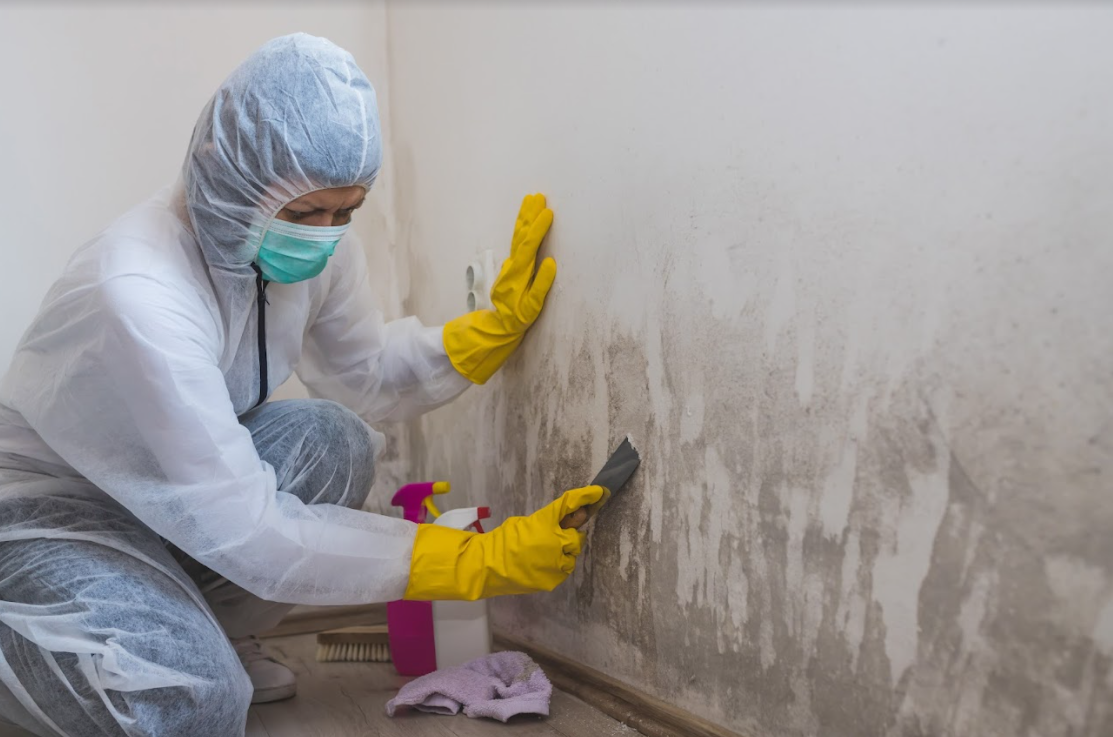
Water damage is not always immediately obvious. Look for discoloration on walls and ceilings, warped flooring, peeling paint, swollen cabinets, or soft drywall.
A musty smell can also indicate that moisture has remained in an area longer than expected.
Even a relatively small leak can cause problems if water has been slowly collecting behind a wall or underneath flooring.
Catching these signs early can help prevent a much larger repair later.
Dry Everything Thoroughly
Removing visible water is only part of the cleanup process.
Moisture can remain trapped in carpet, wood, drywall, insulation, and cabinets. Allow the area to dry completely before replacing rugs, furniture, or stored items.
Fans and dehumidifiers can be helpful in smaller areas. Larger leaks or significant water damage may require professional drying equipment.
The faster moisture is removed, the lower the chance of developing mold, unpleasant odors, or permanent damage.
Keep an Eye on Your Water Bill
Sometimes the first sign of a hidden plumbing leak is not water on the floor at all.
An unexplained increase in your water bill can indicate that water is escaping somewhere in the plumbing system.
If your household water use has not changed but your bill suddenly increases, check toilets, faucets, outdoor connections, and visible plumbing.
You can also check your water meter when no water is being used inside the home. If the meter continues moving, there may be a hidden leak that needs further investigation.
Do Not Ignore Small Leaks
A slow drip may not seem urgent, especially if it is easy to catch with a towel or container.
However, small leaks can become larger over time and may also be a sign that a fitting, seal, pipe, or fixture is beginning to fail.
Taking care of a minor plumbing issue early is usually much easier than dealing with damaged floors, walls, cabinets, or ceilings later.
Regularly checking areas under sinks, around toilets, near water heaters, and behind appliances can help you spot problems before they become serious.
Prevent Future Plumbing Problems
Once everything has been repaired and dried, take a few simple steps to reduce the likelihood of another leak.
Check visible plumbing connections occasionally and look for corrosion, moisture, or loose fittings. Replace worn appliance hoses and pay attention to changes in water pressure.
It is also helpful to avoid putting grease, food scraps, and other materials down drains that can contribute to blockages.
Most importantly, do not wait when something seems unusual. Strange sounds, slow drains, damp areas, and changing water pressure can all be early signs that something in the plumbing system needs attention.
A leak does not always have to become a major home emergency. Acting quickly, stopping the water, protecting the surrounding area, and finding the source can often prevent much more expensive damage. When a problem is beyond a simple fix, getting the right help early can also make the repair process much easier.