Why Your Home Feels Stuffy and How to Fix It
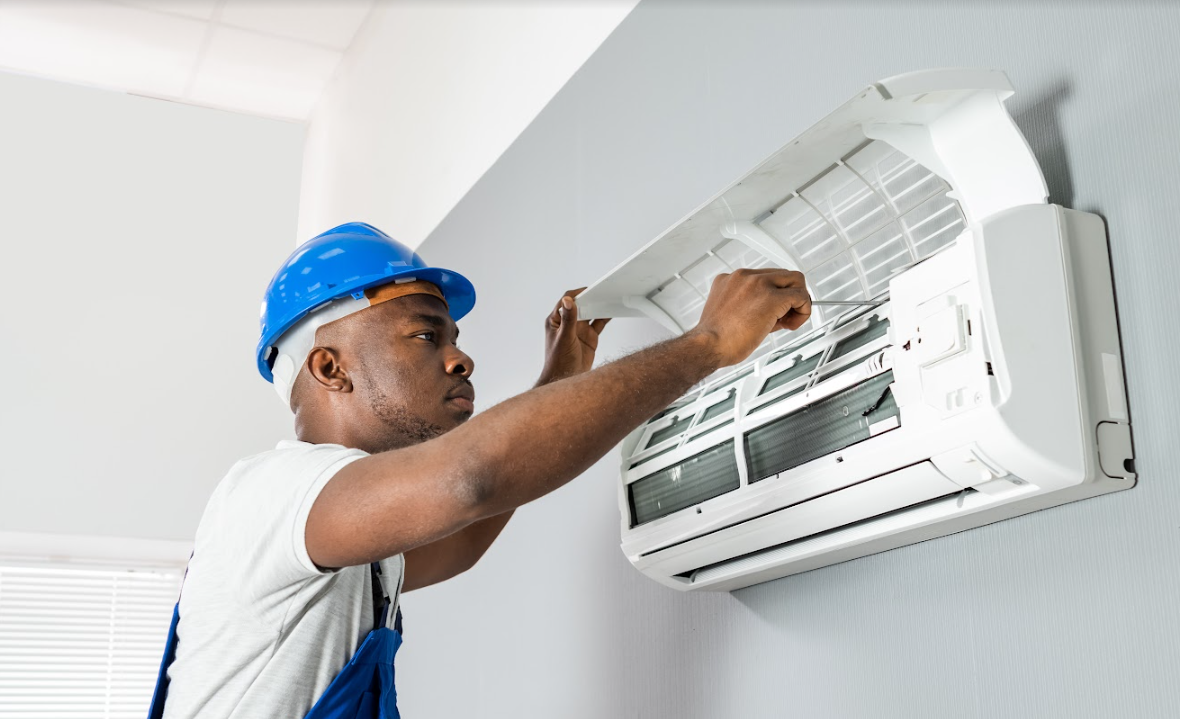
Ever stepped into your living room after a long day and felt instantly weighed down by thick, stagnant air that makes breathing feel like a chore?
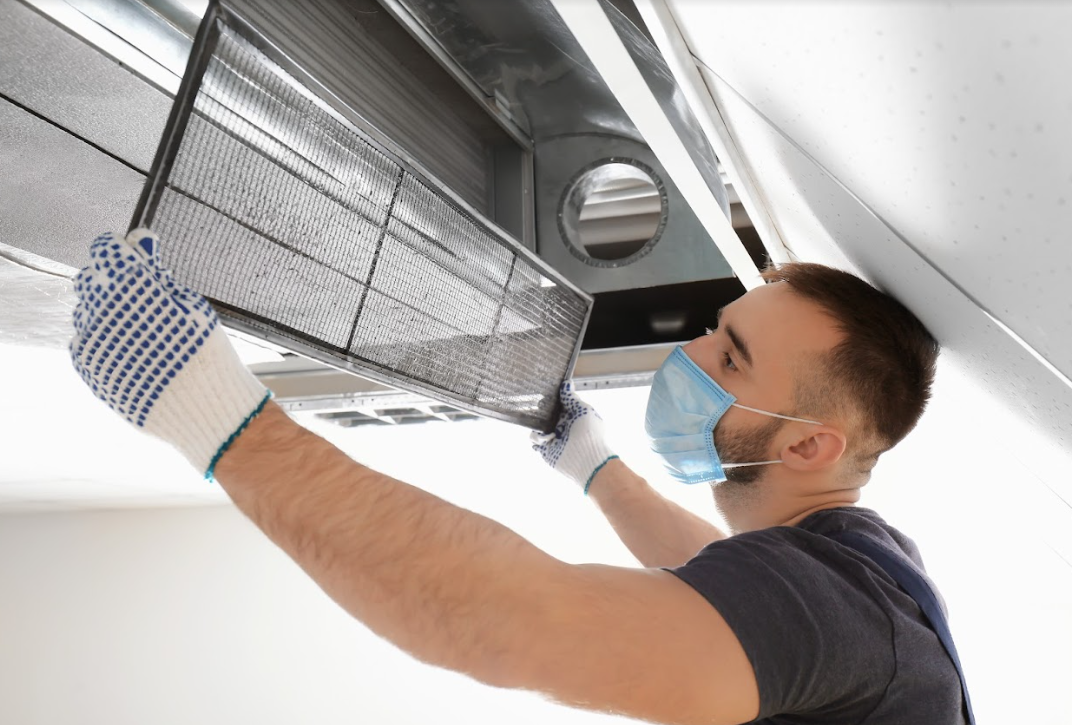
That stuffy sensation isn’t just annoying—it’s a common sign of poor indoor air quality, often triggered by trapped pollutants, excess humidity, or inadequate ventilation, which can sap your energy, aggravate allergies, and even impact sleep.
In this post, we’ll uncover the hidden culprits behind your stuffy home and share practical, step-by-step fixes—from simple daily habits to smart upgrades—that deliver fresher air fast, all tailored for real homes like yours.
Common Causes of Stuffy Air
Poor ventilation tops the list, trapping stale air and letting pollutants build up. Closed doors, windowless rooms, and blocked vents create uneven airflow, especially in bedrooms or basements.
High humidity adds to the problem by fostering mold and that clammy feel. Levels above 60% make spaces feel stuffy, promote dust mite growth, and even warp wooden furnishings.
Dust, pet dander, and cooking fumes circulate when HVAC filters clog or exhaust fans stay off. Indoor CO2 rises from breathing in tight spaces, causing fatigue and headaches.
Quick Diagnostic Checks
Grab a hygrometer to measure humidity—aim for 30-50% indoors. Sniff for musty odors or watch for excess dust on surfaces as red flags.
Feel airflow from vents; weak streams mean dirty filters or blockages. Note allergy flares or stuffiness worsening after cooking—these point to poor circulation.
Test smoke and CO detectors too, since they tie into overall air safety. Persistent stuffiness in specific rooms often stems from sealed windows or a lack of cross-breeze.
Easy Ventilation Fixes
Open windows 10 minutes daily for fresh air exchange, even in cooler months if pollen’s low. Create cross-ventilation by opening windows on opposite sides of the house.
Run kitchen exhaust hoods during cooking and bathroom fans post-shower to vent steam and fumes outside. A shoes-off policy plus doormats cuts tracked-in pollutants by half.
On wildfire days or when smog is high, skip windows and rely on fans with clean filters. These steps dilute indoor pollutants fast without fancy gear.
Upgrade Your Air Filters
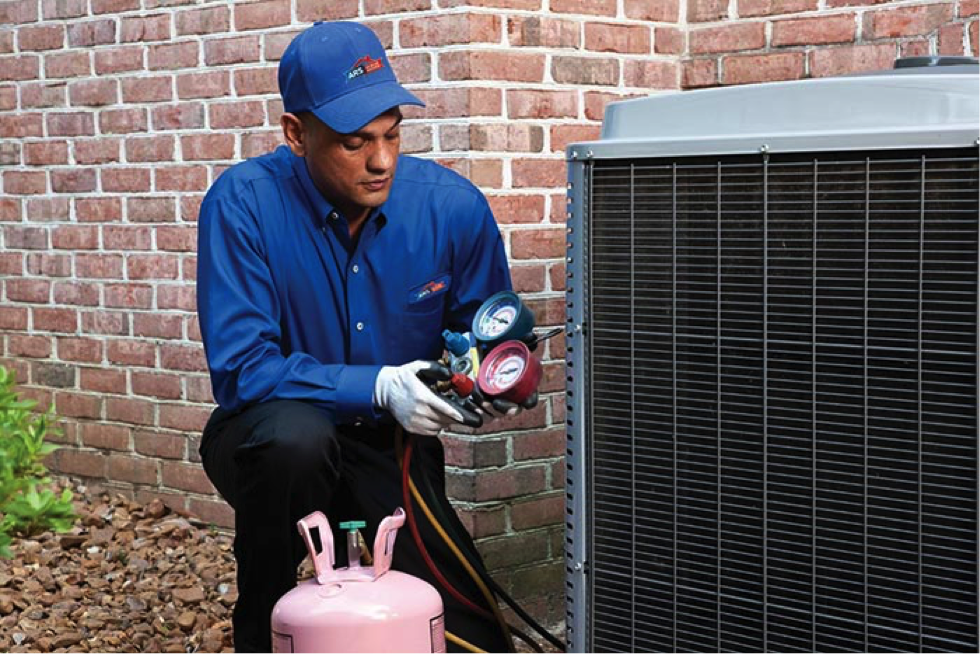
Swap HVAC filters every 30-90 days—clogged ones restrict flow and trap less dust. Opt for high-MERV ratings to snag allergens without straining your system. Consider portable purifiers with HEPA filtration, which capture 99.97% of particles, including pet dander and smoke. These carbon air filters from PhoneSoap provide targeted relief in stuffy spots. Clean or replace AC filters in window units, too. Regular maintenance prevents higher energy bills and extends the life of the HVAC system.
Control Humidity Levels
Dehumidifiers pull excess moisture from damp basements or laundry rooms. Pair with AC use in summer to keep levels balanced without over-drying. Fix leaks promptly and ensure dryer vents exit outside—lint buildup worsens stuffiness. Houseplants like peace lilies naturally absorb humidity while purifying air. In humid climates, ERVs balance moisture and fresh air intake. Monitor with a simple gauge for ongoing tweaks.
Reduce Hidden Pollutants
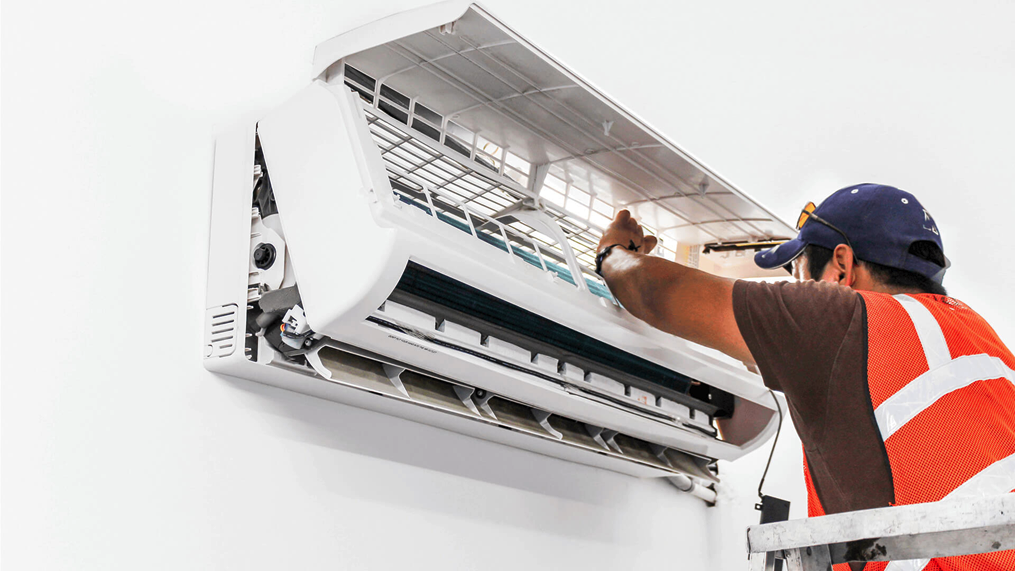
Vacuum weekly with HEPA-filtered models and wash pet bedding hot to curb dander. Skip indoor smoking and choose low-VOC cleaners to minimize chemical off-gassing.
Bathe pets regularly and ban them from bedrooms if allergies flare. Hard floors over carpets trap fewer allergens in the long term.
Limit candles or open flames; electric alternatives avoid soot. These habits, combined with ventilation, create lasting freshness.
Seal drafts around windows yet install operable vents for controlled airflow. Smart thermostats optimize fan runtime without waste.
Whole-house purifiers or duct-mounted UV lights tackle mold at the source. Professional HVAC tune-ups yearly catch issues early.
Track air quality with affordable monitors for data-driven fixes. In Glendale’s variable climate, these prevent seasonal spikes in stuffiness.
Transforming your stuffy home into a breath of fresh air doesn’t require a full renovation—just consistent, smart habits like daily ventilation, regular filter swaps, and humidity checks that pay off in healthier living. Start with one or two fixes today, track improvements with a simple air quality monitor, and enjoy the boost in energy, better sleep, and allergy relief that comes from cleaner indoor spaces. Your family deserves air that feels light and invigorating—take these steps now for lasting comfort year-round.