From Factory to Your Foundation: How the Best Modular Homes Are Built in Michigan
Modular homes are all the rage, here’s exactly how they are built and how it could save you time!
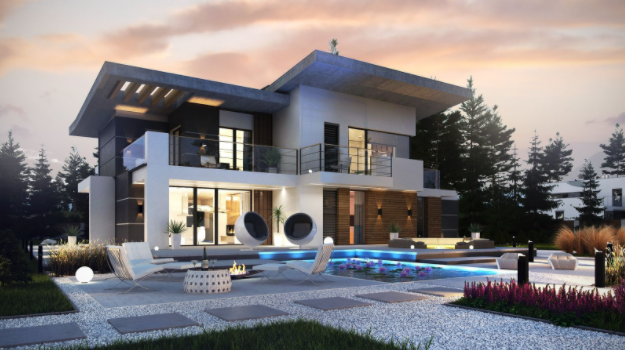
Are you thinking of building a home for yourself in Michigan? Yet, you may not be quite keen on going through the entire custom building process that can last for a really long time. You want something faster, more efficient, and yet amazing, which is where modular homes come into play, constructions that have come a long way from those outdated stereotypes, and that are nowadays known for combining precision engineering, energy efficiency and a modern design to build the perfect property for you. Go here to better understand what these are.
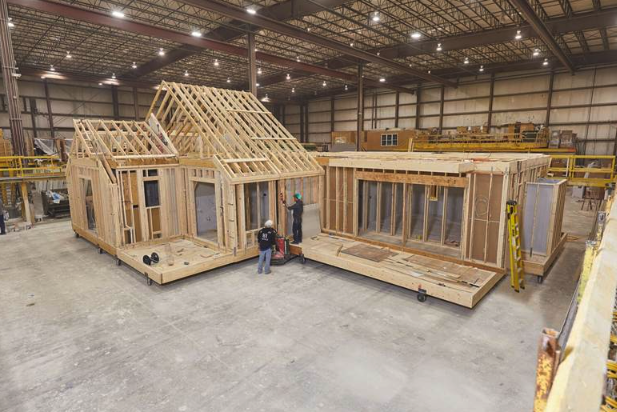
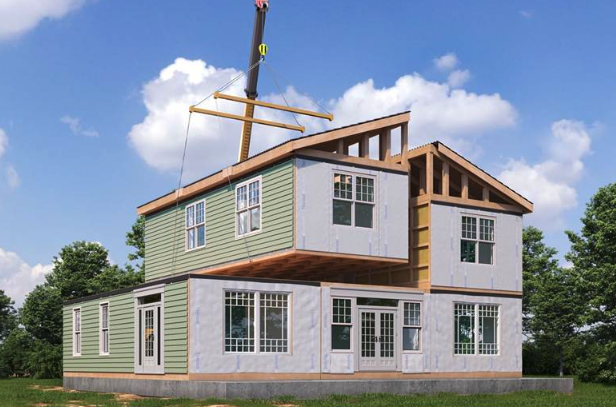
Modular homes are built in sections, or modules, inside a controlled manufacturing facility. Then, they are transported to your home site and assembled on a permanent foundation. They have to meet the same state and local building codes as traditional homes, and in Michigan, that means that they have to comply with the codes regarding snow loads, wind resistance, insulation standards, as well as energy efficiency.
What makes them so appealing is the fact that they look and function the same as a site-built house, because that is what they structurally and legally are, while at the same time offering faster build times and greater quality control. It is, therefore, no wonder that you may be thinking about using this option to your advantage as well. But, of course, you want to know what to expect from the entire process, and that is precisely what we are going to be talking about today, hoping to easily explain how these go from factory to your foundation, as well as what it is that you should do in order to get the best solution.
It All Starts With Detailed Architectural Planning
Okay, as you may have guessed it, everything begins with, well, detailed architectural planning. As the buyer, you work together with the builders to design and customize those floor plans, finishes, elevations, and any structural specifications. And, homeowners in Michigan usually prioritize layouts that are energy efficient, as well as open-concept living spaces, mudrooms for snowy winters, and, of course, durable roofing and high performance windows for temperature control. In any case, you have to think about what you want and work with the pros to turn those ideas into reality.
Climate-Controlled Factory Construction Comes Next
When the plan is finalized, construction will begin. And, well, when you work with Unlimited Modular Homes or any other experts, this is the stage in which you can relax and let the pros handle the work. In short, Unlimited Modular Homes or basically any other company you choose will begin construction inside a climate-controlled facility, that is, indoors, which will prevent moisture intrusion into framing materials, as well as eliminate weather-related delays.
What happens inside that factory, though? Well, for starters, the walls, the floors and the roof systems are constructed using precision machinery that will ensure consistent cuts. Then, the mechanical systems, such as electrical wiring and plumbing lines are installed within each module. Furthermore, advanced insulation techniques are used in order to meet or even exceed the minimum energy code requirements. And then, some of the interior fixtures are also installed before the module leaves the factory, thus significantly reducing on-site construction time later.
Quality Control and Inspection Are Important
Another thing you should know is that modular units will undergo quality control and inspections that are highly important in order to ensure, well, great quality and durability. We are talking about in-plant quality inspections, third party compliance reviews, state approval processes, as well as local code verification upon installation. So, each module will be reviewed before actually leaving the factory, and this reduces the chance of errors and future issues.
Here Comes the Transportation
Once all of the above is completed, the modules will be carefully wrapped and loaded onto specialized trailers. The transportation logistics are carefully coordinated so as to ensure a safe delivery to your site. The transportation planning stage considers things like seasonal road weight restrictions, rural access roads, bridge clearances, as well as, of course, weather conditions. Read more about the pros and cons of these homes.
Setting the Foundation and Finishing the Project
Now, the foundation work will be done simultaneously while the actual home is being built in the factory. This also saves a lot of time. And then, when the transportation is completed and the foundation ready, the installation stars and all the final systems are secured, with the contractors doing everything from start to finish.
Useful Tip: Always Do Your Best to Choose the Right Builders
Before you go, here’s a useful tip to keep in mind. To get the very best results here, what you have to do is, well, choose the right builders. This means carefully researching different ones that operate in Michigan, and then ultimately going for those that are highly experienced, and, of course, reliable, and that offer their services at fair prices.