Building Strong Fences: The Critical Importance of Quality Fence Posts
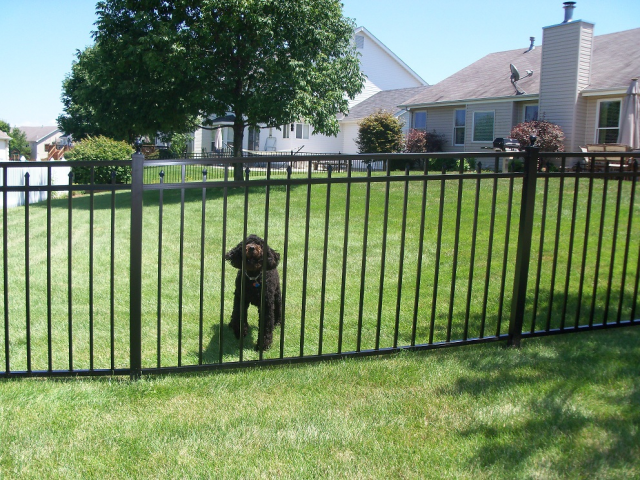
A well-built fence enhances your property’s security, privacy, and aesthetic appeal. However, a poorly constructed fence becomes a recurring maintenance headache and eyesore!
The difference between fences that stand strong for decades and those that fail prematurely often comes down to one fundamental element: the quality of fence posts supporting your entire structure.
Fence posts are the foundation upon which everything else depends. They bear the weight of panels, withstand wind pressure, resist ground moisture, and maintain alignment year after year. Investing in quality posts and proper installation prevents costly replacements and ensures your fence performs its intended function reliably. Understanding post selection and installation is essential whether you’re building a simple garden fence or securing property boundaries.
Understanding Fence Post Materials
Fence posts come in several material options, each with distinct characteristics affecting durability and cost.
Timber Posts
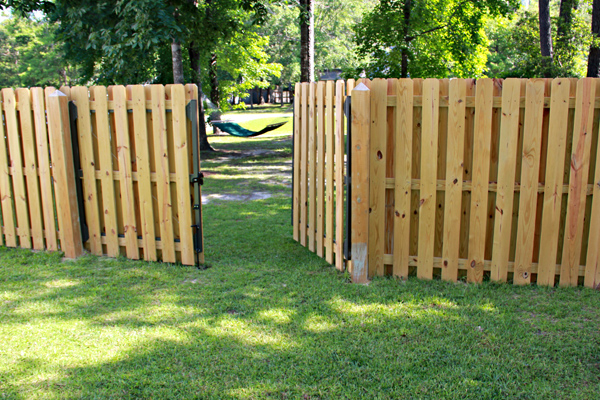
Timber remains the most popular fence post material, offering natural appearance and relative affordability. However, timber quality varies dramatically. Pressure-treated softwood provides moderate durability, typically lasting 10-15 years with proper maintenance. Hardwoods like oak or cedar offer superior longevity and natural rot resistance, often lasting 20-30+ years.
Timber posts require regular inspection for rot, insect damage, and weathering. Annual treatment with wood preservative extends lifespan significantly. The most common cause of timber post failure is ground-level rot where posts contact soil moisture.
Concrete Posts
Concrete posts provide exceptional durability and require minimal maintenance. Concrete naturally resists rot and insect damage, lasting 40-50+ years with proper installation. They’re immune to weathering and don’t require treatment. However, concrete posts are heavier, more expensive initially, and cannot be easily cut or customised on-site.
Concrete works particularly well for long-term fencing where durability justifies higher upfront cost.
Metal Posts
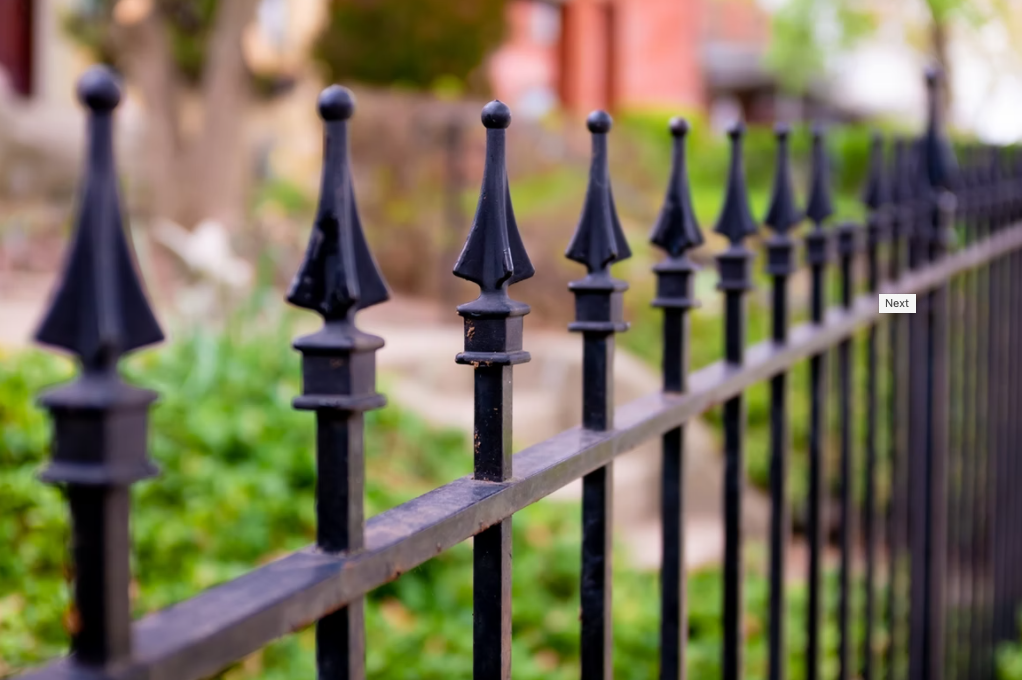
Steel and aluminium posts offer durability and strength in a compact profile. They’re particularly useful where space is limited or where strength without bulk matters. Metal posts resist rot and insects entirely. However, they can rust if not properly galvanised, and they conduct temperature extremes.
Metal posts suit commercial applications and situations where wood’s natural aesthetic isn’t required.
Critical Factors in Post Selection
Choosing appropriate posts requires considering several practical factors.
Post Diameter and Strength
Post diameter and material density determine how much load the post can support. Larger diameter posts support taller, heavier panels. Softwood posts require larger diameter (typically 100mm+) than hardwood (potentially 75mm) for equivalent strength. Concrete and metal posts achieve strength through material density rather than diameter.
Calculate post spacing based on fence height and panel weight. Standard spacing is 1.8-2.4 metres for residential fencing, though spacing adjusts based on specific requirements.
Ground Conditions and Drainage
Posts installed in poorly drained soil fail prematurely from moisture-related rot. Adequate drainage around posts is essential for longevity. Posts should sit on compact soil or gravel base, never in standing water. Concrete footings help prevent ground contact, extending post lifespan dramatically.
Consider soil type when planning installation. Clay-heavy soil retains moisture, accelerating timber rot. Sandy soil drains better but requires deeper installation for stability. Rocky soil presents installation challenges but doesn’t promote rot.
Climate Considerations
Harsh climates accelerate material degradation. Salt air (coastal properties) corrodes metals and affects timber durability. Extreme temperature fluctuations cause wood movement and concrete cracking. Heavy snow regions require posts capable of supporting snow load on fence panels.
Match post material and specification to your climate conditions. Coastal properties benefit from corrosion-resistant materials. Harsh climates favour materials requiring minimal maintenance.
Installation Best Practices
Even quality posts fail without proper installation. Correct technique is essential for long-term performance.
Post Depth and Stability
Posts must be installed deep enough to provide stability against wind pressure and lateral loads. Minimum depth is typically one-third post height, though one-quarter to one-third is standard practice. A two-metre post should be installed at least 60 centimetres deep.
Posts can be installed in concrete footings or simply set in soil. Concrete footings provide superior stability and prevent rot by isolating posts from ground moisture. This modest additional cost pays dividends in longevity.
Ensuring Vertical Alignment
Posts must be perfectly vertical, both during installation and maintained over time. Use a spirit level during installation. Check alignment multiple directions before concrete sets. Misaligned posts create wobbly fences and uneven panel appearance.
Spacing and Layout
Mark post locations precisely before installation. Inconsistent spacing creates visual distraction and panel fitting problems. Use string lines or laser levels for accuracy. Measure twice, install once—correcting installation errors is far more expensive than taking time initially.
To explore comprehensive options for quality fence posts and understand how material selection affects fence longevity and performance, consult specialist timber suppliers offering Fence posts in various materials and specifications suited to your specific fencing project requirements.
FAQ: Common Fence Post Questions
How deep should fence posts be installed?
Posts should be installed at least one-third their height deep, typically 60 centimetres for standard residential fencing. Taller posts or exposed locations require deeper installation. Deeper installation provides better stability against wind pressure.
What’s the lifespan of different post materials?
Pressure-treated softwood: 10-15 years. Hardwood: 20-30 years. Concrete: 40-50+ years. Metal (galvanised): 30-40+ years. Lifespan depends heavily on installation quality and maintenance.
Should I use concrete footings for timber posts?
Yes, if budget allows. Concrete footings isolate posts from ground moisture, extending timber lifespan significantly. The additional cost (£10-£30 per post) pays back through extended fence life. Concrete footings are particularly important in poorly drained soil.
Can I install fence posts myself?
Simple fences on level ground are achievable for capable DIYers with basic tools. Sloped terrain, difficult soil, or complex layouts justify professional installation. Poor post installation compromises entire fence performance, so professional expertise is often worthwhile.
Why do some fence posts fail within just a few years?
Poor quality materials, inadequate depth, missing concrete footings, and installation in wet soil are primary failure causes. Posts installed without concrete footings in clay-heavy soil rot quickly. Insufficient depth causes posts to move in wind, loosening fasteners and accelerating failure.
Conclusion
Quality fence posts are foundational investments determining fence longevity and performance. Rather than cutting corners on posts to reduce costs, invest in appropriate materials and proper installation. The modest additional investment in quality posts prevents costly replacement and ensures your fence performs reliably for decades.
Select posts matched to your climate and ground conditions. Install them deep enough for stability, using concrete footings when possible. Ensure vertical alignment and consistent spacing. Then maintain your fence with periodic inspection and treatment as needed. With thoughtful post selection and installation, your fence becomes a reliable boundary and aesthetic asset for years to come.