Exploring the Role of Effective Plumbing Design in Modern Construction

As the backbone of modern infrastructure, plumbing systems are integral to ensuring the comfort and functionality of any building!

Studies reveal that a well-designed plumbing system can lead to significant water conservation, with potential savings of up to 30% in residential buildings. This highlights the impact of thoughtful design on resource management and operational efficiency.
Understanding the nuances of plumbing design is crucial for architects, engineers, and construction professionals alike. In this article, we delve into essential aspects of plumbing design, exploring how it contributes to contemporary construction, sustainability, innovative materials, and the unique demands of high-rise buildings.
An effective plumbing design ensures that water is efficiently supplied and waste is properly disposed of, which is the linchpin of any modern construction project. The design impacts not only the building’s functionality but also the well-being of its occupants, making it a critical aspect of architectural planning.
Sound plumbing design involves a comprehensive approach considering various factors like water pressure, gravity, and the building’s layout to create an efficient system. It should also be adaptable to future upgrades and expansions to avoid costly retrofits. Streamlined maintenance and operation are direct benefits derived from such forethought.
For those tasked with the creation or renovation of such systems, investing in advanced simulation software can offer a peek into real-world scenarios, preempting potential challenges. plumbing system design experts This can enable designers to iterate and optimize blueprints even before the first pipe is fitted.
Key Considerations for Sustainable Plumbing Systems
Incorporating sustainability into plumbing design has become non-negotiable in the face of environmental concerns and stringent regulations. Sustainable plumbing systems prioritize the preservation of water resources and energy efficiency while supporting the long-term functionality of the building.
Techniques such as rainwater harvesting, gray water recycling, and the use of low-flow fixtures are at the forefront of sustainable practices. These methods help reduce water consumption without compromising user convenience, with statistics showing that low-flow fixtures can save up to 55% of water usage.
To contribute to sustainability goals, professionals should stay abreast of the latest green plumbing standards and certifications. Engaging with organizations like the Green Building Council and adhering to standards such as LEED can provide actionable frameworks for impactful plumbing design decisions.
Innovative Materials and Technologies Shaping Plumbing Design
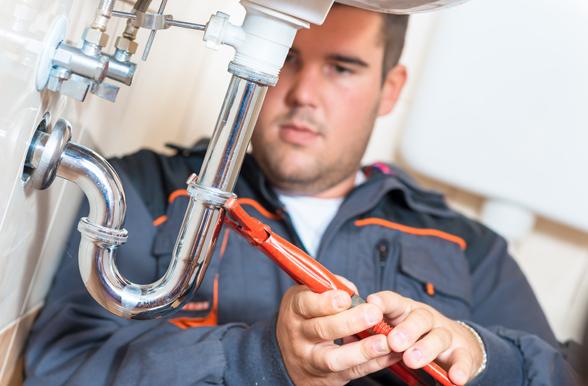
The selection of materials and adoption of new technologies have significant roles to play in the evolution of plumbing systems. Recent advancements aim to enhance durability, reduce costs, and increase the efficiency of installation and maintenance processes.
For instance, cross-linked polyethylene (PEX) piping is gaining popularity over traditional materials due to its flexibility, cost-efficiency, and corrosion resistance. Meanwhile, smart water systems leverage IoT technology for monitoring water usage and detecting leaks, which can prevent water waste and significant property damage.
Designers seeking cutting-edge solutions should keep an eye on industry innovations and pilot emerging options like gray water systems and touch-free fixtures, considering user feedback and long-term performance data to make informed material and technology choices.
Challenges and Solutions in Plumbing Design for High-Rise Buildings
High-rise buildings present unique challenges for plumbing design due to their scale and complexity. The height of the building requires specific attention to water pressure and the prevention of potential issues such as water hammer, noise, and maintenance accessibility.
Design strategies often employ pressure-reducing valves and gravity-assisted drainage systems to maintain consistent service across floors. Moreover, innovative solutions such as vacuum drainage systems are being implemented to overcome traditional gravity-based limitations and create more flexible architectural designs.
Plumbing engineers working on high-rise projects need to incorporate failsafe measures and redundancies to ensure seamless operation. Utilizing a modular design approach can facilitate easy access and repair, reducing downtime and future-proofing the plumbing system against the demands of vertical urban living.
In conclusion, robust plumbing design plays a pivotal role in the functionality and sustainability of modern constructions. Through the judicious choice of materials, the integration of innovative technologies, and a focus on sustainability, plumbing systems can provide efficient water management and elevate the quality of life within any built environment. For high-rise structures, specialized design considerations ensure service reliability, presenting solutions to height-related challenges. These principles not only safeguard a building’s operational integrity but also contribute to environmental stewardship and resource conservation.