Composting vs Green Waste Removal: Which Is Better?
Managing garden waste effectively is an important part of maintaining a healthy and sustainable environment!
Homeowners, landscapers, and businesses often face the choice between composting green waste and arranging green waste removal. Both methods have advantages and disadvantages, and the best choice depends on factors such as the amount of waste, available space, time, and environmental goals. This guide explores the differences between composting and green waste removal and helps you decide which approach is better for your situation.
Understanding Green Waste
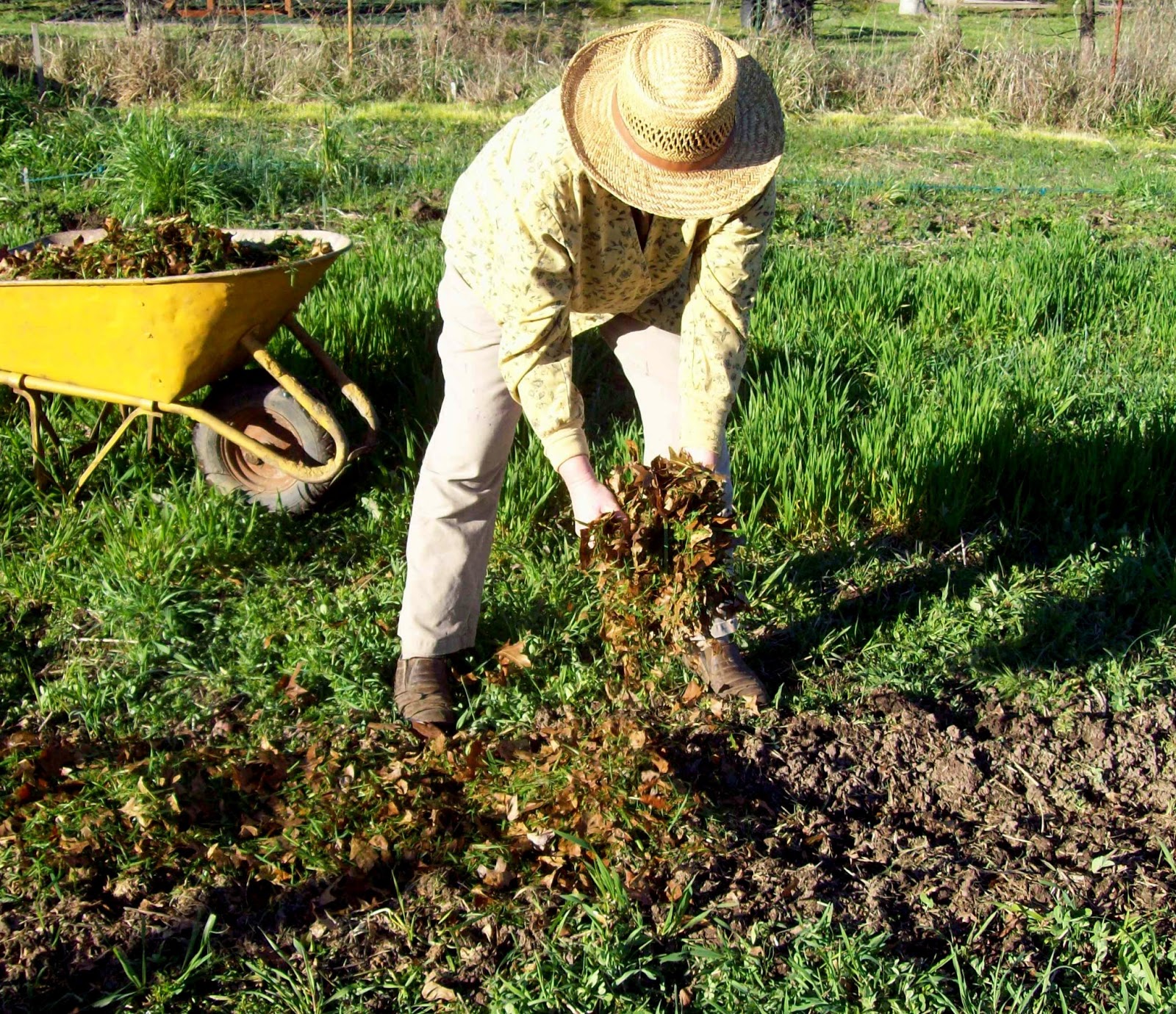
Green waste refers to biodegradable garden and landscape materials. Common examples include grass clippings, leaves, branches, prunings, flowers, weeds, and even vegetable scraps from the kitchen. Green waste is different from general household rubbish because it is organic and can naturally decompose. If managed correctly, it can become a valuable resource rather than a problem.
Improper disposal of green waste, however, can create issues such as blocked drains, increased landfill pressure, and environmental harm if transported to unsuitable locations. Deciding between composting and professional removal involves considering how to manage green waste efficiently while reducing environmental impact.
What is Composting
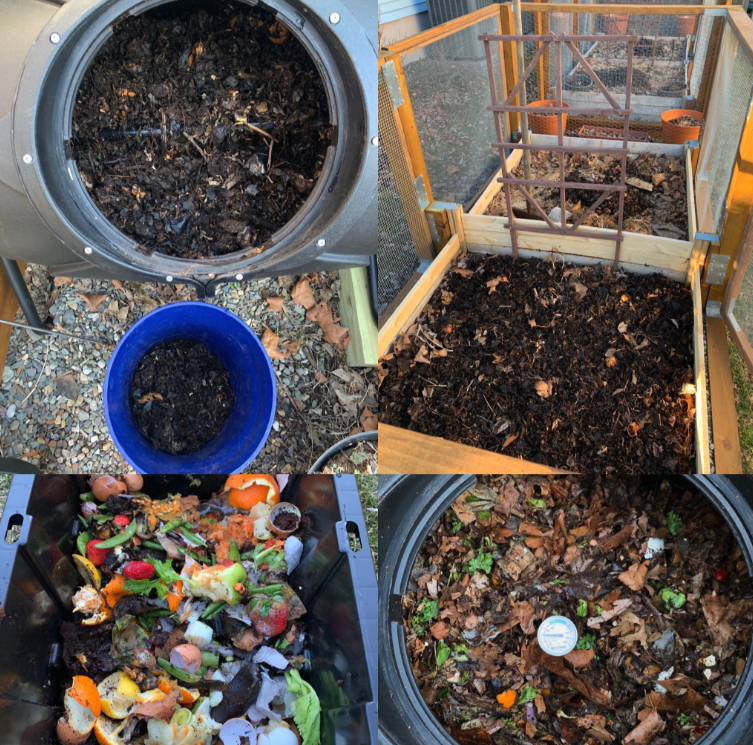
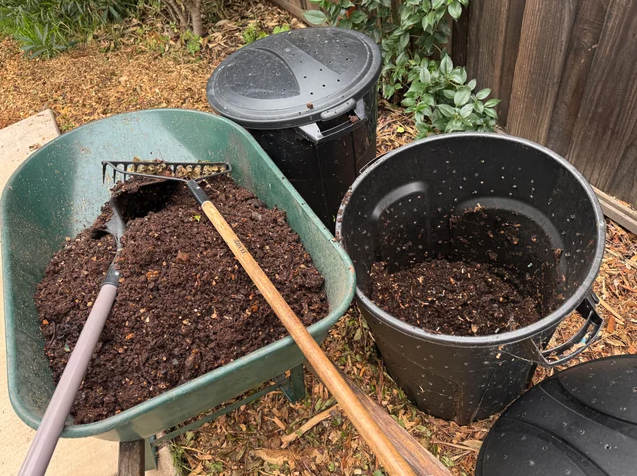
Composting is the process of converting organic matter into nutrient rich soil through natural decomposition. Garden waste such as leaves, grass clippings, and vegetable scraps is placed in a compost bin or heap, where microorganisms break down the materials into humus over time. The resulting compost can then be used to enrich soil in gardens, lawns, and pots.
Composting can be carried out at home in small backyard bins or on a larger scale in community composting programs. It is an environmentally friendly method that reduces the amount of waste sent to landfill and promotes healthier soil. Composting also encourages sustainable gardening practices by recycling nutrients back into the garden rather than relying on chemical fertilisers.
Benefits of Composting
- Environmental Sustainability
Composting reduces greenhouse gas emissions associated with landfill disposal. When organic matter decomposes in a landfill, it produces methane, a potent greenhouse gas. Composting in controlled conditions minimises methane production and contributes to a lower carbon footprint. - Soil Health
Compost enriches soil with nutrients and improves its structure. It enhances water retention, reduces erosion, and supports beneficial microorganisms. Using compost in your garden encourages healthier plant growth and reduces the need for chemical fertilisers. - Cost Effective
Composting at home is inexpensive once you have the right bin or heap. It reduces the volume of waste requiring collection and disposal, saving money on professional waste removal services. - Resource Recycling
Instead of viewing garden waste as rubbish, composting transforms it into a valuable resource. This closed loop system promotes sustainability and encourages mindful gardening practices.
Limitations of Composting
While composting has many benefits, it may not be suitable for all situations. Large volumes of green waste can be difficult to manage at home. Composting also requires time, effort, and knowledge to maintain the right balance of green and brown materials, moisture, and aeration. Improper composting can attract pests or create unpleasant odours.
Green Waste Removal
Green waste removal is a service provided by waste management companies that collects and disposes of garden and landscaping waste. This service is particularly useful for large amounts of waste, commercial properties, or situations where composting is not feasible. Green waste is collected and transported to recycling facilities, where it is often shredded and processed into mulch or compost on an industrial scale.
Benefits of Green Waste Removal
- Convenience
Professional green waste removal is convenient for busy homeowners and businesses. Waste is collected and disposed of without requiring personal effort, time, or equipment. - Handling Large Volumes
For large gardens, landscaping projects, or construction sites, green waste removal can manage volumes that are impractical to compost at home. Companies have the equipment and logistics to safely handle significant amounts of organic matter. - Compliance and Safety
Waste management companies follow local regulations for green waste disposal. This ensures that hazardous materials are not mixed with organic waste and reduces risks associated with improper handling, such as injuries or environmental contamination. - Environmental Benefits
Although green waste removal does not provide home compost, it contributes to sustainability by diverting waste from landfill and converting it into mulch or industrial compost. Professional facilities can process waste more efficiently and at a scale that maximises recycling.
Limitations of Green Waste Removal
Green waste removal usually incurs a cost based on the volume of waste collected and transported. While convenient, it does not directly provide the immediate benefit of compost for your own garden. In addition, relying solely on removal services may reduce opportunities to engage in sustainable gardening practices at home.
Factors to Consider When Choosing
Choosing between composting and green waste removal depends on several factors.
Volume of Waste
Small amounts of green waste can be easily composted at home. Large volumes, particularly from landscaping projects or commercial sites, are better suited to professional removal services.
Available Space
Composting requires space for bins or heaps and proper aeration. Homes with limited outdoor space may find composting challenging, making green waste removal a more practical option.
Time and Effort
Composting demands ongoing attention, including turning the pile, monitoring moisture levels, and balancing materials. If you prefer minimal effort, green waste removal provides a time saving solution.
Environmental Goals
Both composting and green waste removal contribute to sustainability. Composting maximises the use of nutrients on site, while green waste removal supports recycling at an industrial scale. Your environmental priorities may influence your choice.
Cost Considerations
Composting is generally low cost but requires initial investment in bins or equipment. Green waste removal involves ongoing fees based on volume or service frequency. Comparing these costs against your budget helps determine the most feasible solution.
Practical Approach
Many homeowners and businesses find a combination of composting and green waste removal works best. Everyday garden clippings, leaves, and kitchen scraps can be composted at home, reducing waste and providing soil enrichment. Larger garden projects, tree trimmings, or seasonal clean ups can be handled through green waste removal services to manage excess volume efficiently.
Conclusion
Composting and green waste removal both offer effective ways to manage garden and landscaping waste. Composting is ideal for small to medium volumes, promoting sustainability, improving soil health, and reducing reliance on chemical fertilisers. Green waste removal provides a convenient solution for large volumes, time constraints, or limited space, while still supporting environmental recycling.
The choice depends on your circumstances, including the amount of waste, available space, time, budget, and environmental goals. Combining both approaches often provides the most efficient and sustainable solution, allowing everyday garden waste to be composted and larger volumes to be professionally removed.
Ultimately, managing green waste responsibly contributes to a healthier garden, a cleaner environment, and a more sustainable approach to everyday living. Whether you choose to compost at home or arrange for green waste removal, the key is to avoid sending organic materials to landfill, reducing pollution and supporting the circular use of resources.