When Should You Replace an Above-Ground Pool Pump?
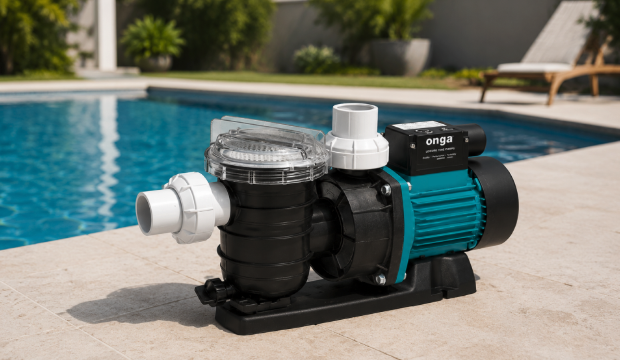
An above-ground pool pump plays a major role in keeping pool water moving through the filtration system!
When the pump works properly, water circulates, debris is filtered, and chemicals can spread evenly throughout the pool. Like any mechanical equipment, however, a pool pump will eventually show signs of wear. Knowing when to repair the existing unit and when to replace it can help maintain proper water circulation and prevent unexpected problems.
How Long Does an Above-Ground Pool Pump Last?
A good-quality pool pump can provide reliable service for many years, although its lifespan depends on factors such as operating hours, maintenance and installation conditions. Pumps that run for long periods each day may experience more wear than those used for shorter filtration cycles.
Age alone does not always mean replacement is necessary. A pump that still operates quietly, maintains strong water flow and performs efficiently may continue to work reliably. However, frequent faults, declining performance or repeated repairs can indicate that replacing the pump is a more practical option.
Factors That Affect Pump Lifespan
Several conditions can affect how long a pool pump remains reliable. Running hours, water chemistry, installation quality and regular maintenance all have an impact.
Poor water chemistry can contribute to corrosion and damage to internal components. Blocked baskets, dirty filters and restricted plumbing can also force the pump to work harder than necessary. Exposure to weather, excessive heat and moisture around electrical components may shorten the life of the motor.
Regularly cleaning the pump basket, checking seals and keeping the surrounding area clear can help reduce unnecessary strain.
Signs Your Above-Ground Pool Pump Needs Replacing
The Pump Makes Unusual or Excessive Noise
A noticeable change in sound can indicate worn bearings, motor problems or debris affecting the impeller. A slight operating hum is normal, but grinding, rattling or screeching should not be ignored. If the noise continues after basic checks and repairs are becoming frequent, replacement may be the better option.
The Motor Overheats During Operation
A pump motor that becomes unusually hot may be struggling with restricted airflow, electrical problems or internal wear. Repeated overheating can damage the motor and increase the risk of a complete failure. If overheating continues despite maintenance, an older pump may be reaching the end of its service life.
Water Flow and Circulation Have Become Weak
Weak return flow is another common warning sign. Start by checking the skimmer basket, pump basket, filter and valves for blockages or restrictions. If these components are clean and correctly positioned but circulation remains poor, the pump itself may no longer be producing sufficient flow.
The Pump Frequently Trips the Circuit Breaker
A circuit breaker that trips repeatedly should never be treated as a minor inconvenience. Electrical faults, motor damage, moisture or wiring problems can all contribute to the issue. An electrician or qualified pool technician should assess the system before continued use. If the motor is failing, replacing the pump may be safer and more economical than repeated repairs.
The Pump Struggles to Start or Stops Unexpectedly
A pump that takes several attempts to start, shuts down during operation or requires manual intervention may have a failing motor or electrical component. Occasional faults can sometimes be repaired, but repeated starting problems on an older unit may indicate that replacement is approaching.
What to Consider When Replacing an Above-Ground Pool Pump
Choosing a replacement should involve more than matching the old pump by appearance. Check the pool’s water volume, required flow rate, plumbing size, filter capacity and available electrical supply.
The pump should provide enough circulation for the pool without being unnecessarily oversized. A pump that is too powerful can place additional pressure on the filtration system, while an undersized model may struggle to achieve adequate circulation.
Installation requirements also deserve attention. Once you know the replacement pump needs to be installed, an experienced pool builder in Bendigo can help ensure the pump is correctly fitted and compatible with the pool’s existing plumbing, filtration system and electrical requirements.
Final Thoughts
Replacing a pool pump at the right time can prevent repeated breakdowns and help maintain consistent water circulation. Age, unusual noise, overheating, weak flow, electrical trips and starting problems are all useful warning signs.
Before buying a replacement, check the complete circulation system and determine whether the problem can be repaired economically. When replacement is necessary, selecting the correct pump size and specifications is just as important as choosing a reliable model.
Frequently Asked Questions
How often should an above-ground pool pump be replaced?
Replace the pump when its condition, performance or reliability starts to decline, rather than relying on age alone.
What are the first signs of a failing pool pump?
Changes in operating noise, reduced water flow, overheating, frequent shutdowns and difficulty starting are common early warning signs.
Is it worth repairing an old pool pump?
It can be worthwhile if the fault is minor and the pump is otherwise in good condition. For an older pump with repeated or expensive faults, replacement may provide better long-term value.
Can a noisy pool pump be repaired?
Yes, a noisy pool pump can often be repaired if the issue is caused by worn bearings, debris or a damaged component.
How can you choose the right replacement pump?
Consider pool size, required flow rate, plumbing connections, filter capacity, electrical requirements and the pump’s efficiency. The replacement should be compatible with the existing circulation system rather than selected solely by motor size.