Which Houseplants Are Worth Moving and Which to Leave Behind
Most advice about relocating with plants jumps straight to packing and transport. It skips the harder question that comes first: should every plant even make the trip?
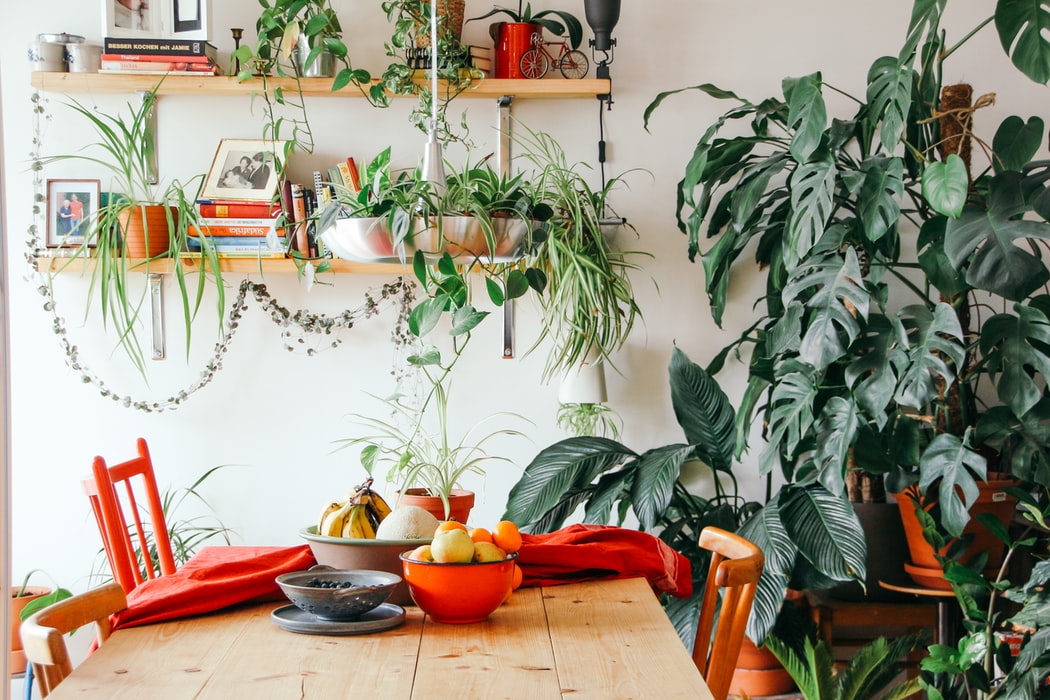
A move is the rare moment when thinning your collection is not just practical but genuinely good for the plants that remain. Deciding thoughtfully saves you effort, spares fragile plants a stressful journey, and gives your new home a collection that actually fits it.
Start With an Honest Look at Hardiness
Not every houseplant travels well. Sturdy, forgiving plants like pothos, snake plants, and ZZ plants shrug off changes in light and handling. Others are far more temperamental. Fiddle leaf figs, calatheas, and many ferns shed leaves when stressed and can take months to recover, if they recover at all.
Be especially cautious with plants that are especially sensitive to disruption. If a plant sulks every time you shift it a few feet, a cross-town or cross-country move is a serious gamble. Knowing which of your plants are resilient and which are delicate is the foundation of every other decision.
Weigh Size and Effort Against Sentiment
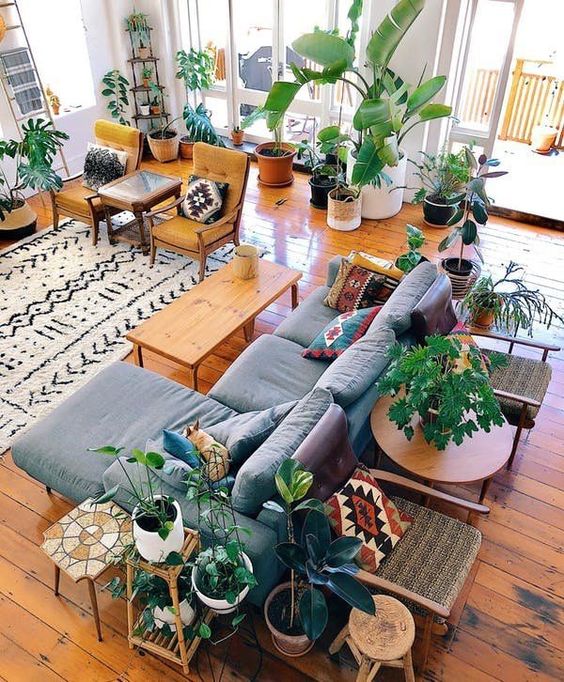
A six-foot monstera or a heavy ceramic-potted palm is a real logistical commitment. Large plants take up space, add weight, and are awkward to secure. That does not mean they should be left behind, but it does mean being realistic. Ask whether the plant is a centerpiece you would happily rebuild your new space around, or simply something you have never gotten around to rehoming.
Sentiment counts too. A cutting from a grandparent’s garden or a plant that has been with you for a decade earns its spot on the truck regardless of size. The goal is not to be ruthless. It is to be deliberate about where your energy goes.
Know When Rehoming Is the Kinder Choice
Some plants are better off staying behind. If a plant is already struggling, outgrowing your ability to care for it, or unlikely to survive the conditions of your new home, passing it to a friend or neighbor can be the more caring option. Giving a thriving plant to someone who will enjoy it beats watching it decline after a move it was never going to handle.
This is also a chance to reset. Rather than dragging along a plant that has never had the right conditions to thrive, you arrive with room, literal and mental, for plants better suited to your new light and space.
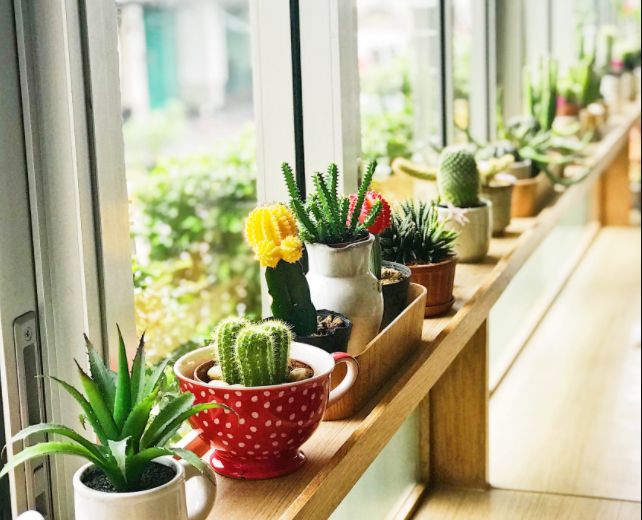
Plan the Keepers Into the Move
Once you know which plants are coming, fold them into your overall moving plan early rather than treating them as an afterthought on moving day. This matters even more in Maryland, which sits in a humid transition climate with hot, sticky summers and genuinely cold winters (the Glen Burnie and greater Baltimore area falls around USDA zones 7b to 8a). For tropical houseplants, the real challenge is usually indoors in winter, when heated air turns dry and plants that were perfectly happy suddenly need extra humidity to hold their leaves. A move adds a second risk: even a few minutes of exposure to freezing air while plants are carried to a vehicle can cause cold shock, so timing your move and shielding plants from the cold is well worth the effort.
If you are hiring help for the rest of your belongings, coordinating with local movers in Glen Burnie, MD for the furniture and boxes frees you to personally handle the plants, which almost always travel best under your own supervision in a climate-controlled vehicle.
Group your keepers by size and fragility so you know exactly what needs a seat and what can be boxed. Keep the number manageable, and give each survivor the attention it deserves during the transition.
Approached this way, a move becomes less of a threat to your indoor garden and more of an edit. You end up with fewer plants, but healthier ones, and a collection that suits the home you are actually moving into rather than the one you left.