How to Choose a Roofing Contractor When Storm Season Hits Northern California
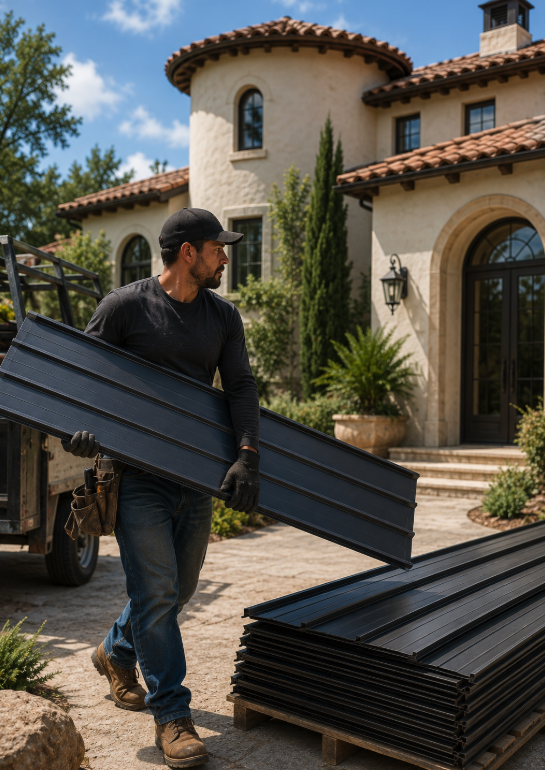
If you own a home in Sonoma, Napa, or Marin County, your roof is the single most expensive system standing between your family and a Northern California winter!
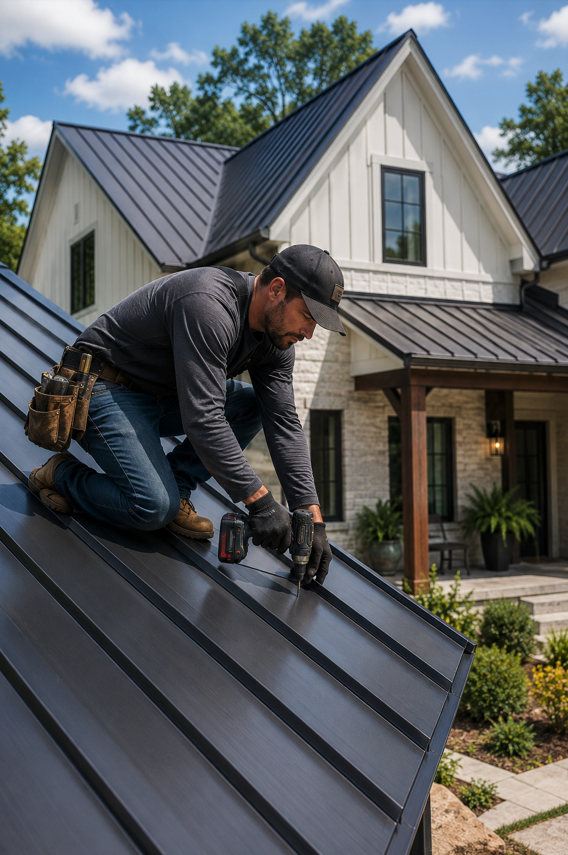
Atmospheric rivers, late-season wildfires, and the freeze-thaw cycles that come with foothill elevations punish even well-built roofs. By the time you notice an active leak, the underlying damage has usually been quietly compounding for months. Choosing the right roofing contractor before the storms arrive is the difference between a quick repair and a six-figure interior remediation.
Start with credentials, not curb appeal
A roofer who knocks on your door after a windstorm and offers a “free inspection” is rarely a long-term partner. Verify that any contractor you consider holds an active California Contractors State License Board (CSLB) C-39 roofing classification, carries general liability insurance for at least one million dollars, and provides workers’ compensation coverage for every crew member who steps onto your property. Ask for the policy numbers and call the carriers directly. The roofers who do this work for the long haul welcome the question; the ones who do not will stall.
Demand local references — and visit them
Online reviews are useful, but they are a starting point, not an ending point. Request the addresses of three jobs the contractor finished within the last two years inside your county. Drive past each one. Look for clean ridge lines, even shingle courses, properly sealed flashings around chimneys and skylights, and gutters that are not pulling away from the fascia. A reputable contractor like the team behind Sutter Roofing Systems will have dozens of local installations within a short drive of your home and will gladly point you to each one.
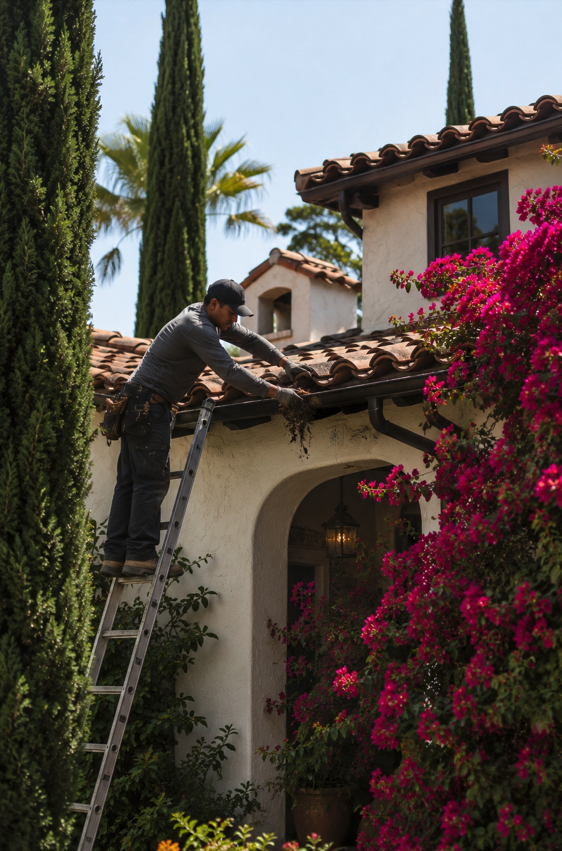
Understand what is actually in the proposal
A line item that simply reads “tear off and replace” hides too much. Your written proposal should specify the underlayment brand and weight, the ice-and-water shield coverage at eaves and valleys, the ventilation plan for both intake and exhaust, the flashing material at every penetration, and the manufacturer of the shingles, tile, or metal panels. Storm-zone homes in Northern California often benefit from Class A fire-rated assemblies and synthetic underlayment instead of legacy felt — both are inexpensive upgrades that pay back during wildfire season and the next insurance renewal.
Ask how the crew handles the unexpected
Tear-off is the moment a roof tells you the truth. Rotted decking, hidden insect damage, and bathroom vents that were never properly terminated all surface within the first two hours of demolition. Before you sign, get a written change-order policy: what triggers it, what the unit pricing is for replacement decking, and how quickly photos and a revised estimate will reach you. Contractors who give vague answers here are the same ones who present surprise invoices on the last day.
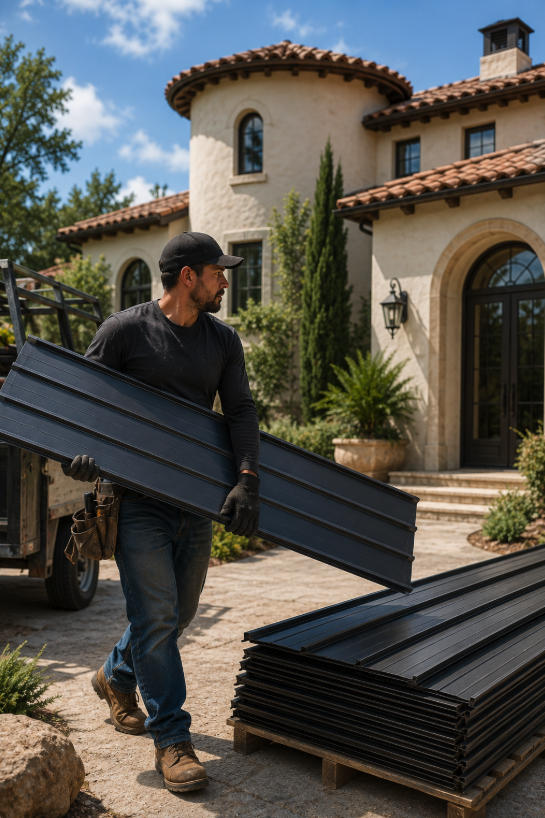
Confirm the warranty is real, not theatrical
Most premium shingle and metal manufacturers offer system warranties that last 30 to 50 years, but only if the roof is installed by a credentialed contractor using approved components throughout the assembly. Ask the contractor whether they are credentialed at the highest tier of the manufacturer they are quoting and whether the warranty registration will be filed in your name. Then ask how their workmanship warranty interacts with the manufacturer warranty, and request a sample of both documents in writing. Manufacturer-only coverage with no labor warranty is common — and often disappointing the first time it is tested.
Plan for inspection cadence, not a one-time fix
The strongest signal that you are working with a long-term roofer is what happens after the project is finished. A serious contractor schedules a complimentary post-installation inspection at the one-year mark and provides written guidance on annual maintenance: clearing debris from valleys, checking sealant at penetrations, and confirming attic ventilation has not been blocked by stored items. Roofs that are inspected every 12 months routinely outlive their published service life by a decade. Roofs that are ignored rarely make it to year 20.
The right contractor will not pressure you into a same-day decision. They will write a clear scope, document the assembly, walk you through the warranty, and give you the time to verify their references. In Northern California, that diligence is what separates a roof that quietly does its job for 30 years from one that fails the first time the atmospheric river arrives.