How Much Does a Bathroom Renovation Actually Cost?

Planning a bathroom renovation is exciting, but figuring out the actual cost can feel overwhelming!
One day you’re browsing beautiful tile options, and the next you’re staring at quotes that make your head spin. The truth is, bathroom renovations can range anywhere from a few thousand dollars to well over fifty thousand, depending on what you’re changing and how fancy you want to get.
Let’s break down what you’re really looking at when you renovate a bathroom, so you can plan accordingly and avoid any nasty surprises along the way.
The Basic Breakdown
For a small bathroom renovation where you’re keeping everything in the same place and just updating finishes, you’re looking at somewhere between five thousand and fifteen thousand dollars. This typically covers new flooring, a fresh coat of paint, updated fixtures, and maybe a new vanity. It’s enough to make your bathroom feel brand new without gutting the entire space.
Mid-range renovations usually fall between fifteen thousand and thirty-five thousand dollars. At this level, you’re probably moving some things around, replacing the tub or shower, installing new tile work, and upgrading to nicer materials. This is where most homeowners find themselves when they want a significant transformation but aren’t going full luxury.
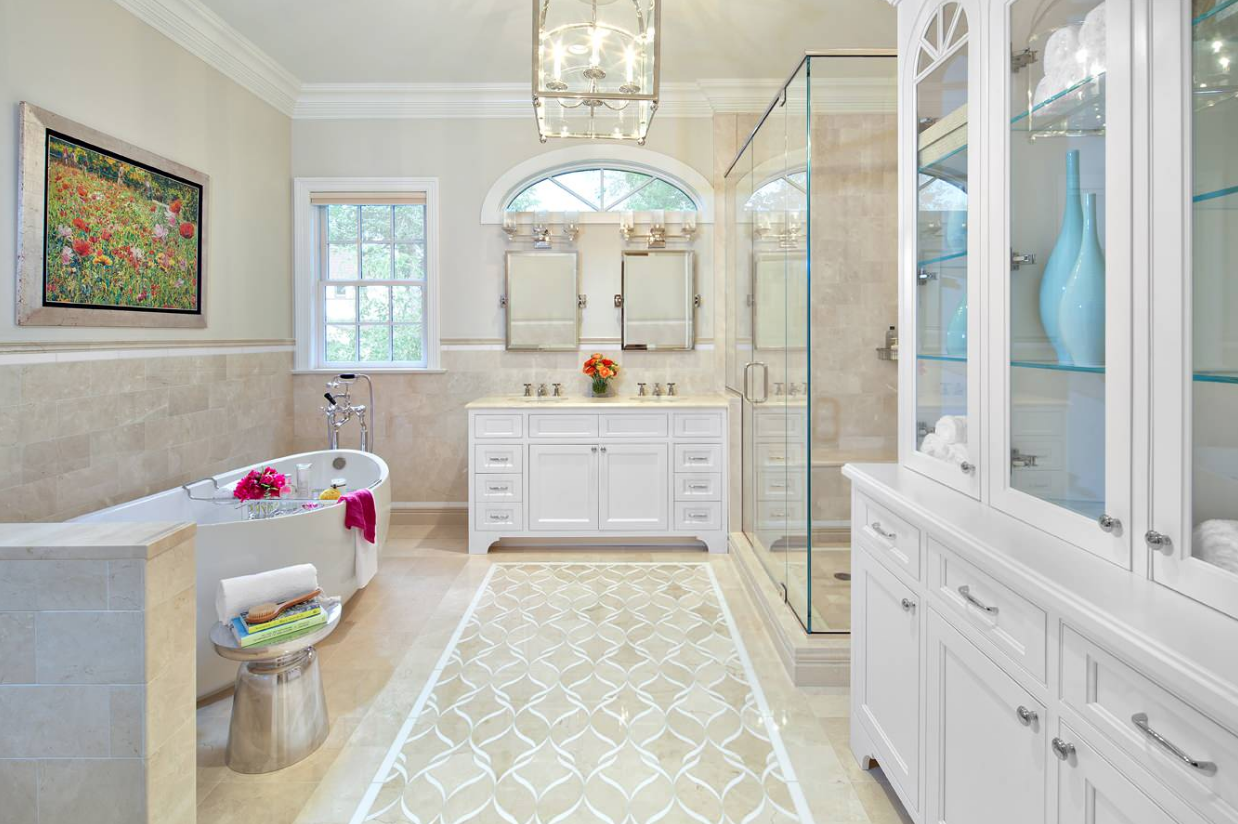
High-end renovations start at thirty-five thousand and can easily climb past seventy thousand dollars or more. We’re talking custom tile work, heated floors, premium fixtures, maybe even expanding the bathroom’s footprint. This is the realm of spa-like experiences and magazine-worthy results.
What Actually Drives the Cost Up?
Labor typically eats up about half your budget, sometimes more. Plumbers, electricians, tile setters, and general contractors don’t come cheap, especially if you’re in a major metropolitan area. A master bathroom renovation might require several different specialists working in sequence, and their time adds up quickly.
Moving plumbing and electrical is another big cost driver. If you want to relocate your toilet, sink, or shower, you’re looking at significant plumbing work that can easily add several thousand dollars to your project. The same goes for adding new electrical outlets, upgrading lighting, or installing heated floors.
Materials vary wildly in price. You can buy basic ceramic tile for a few dollars per square foot, or you can spring for hand-made artisan tile that costs twenty times as much. The same applies to everything from vanities to faucets to that gorgeous shower door hardware you’ve been eyeing. Choosing where to splurge and where to save is key to staying on budget.
The Hidden Costs Nobody Warns You About
Here’s what catches people off guard: once you open up those walls, you might discover problems. Old pipes that need replacing, water damage behind the shower, outdated electrical that doesn’t meet current codes. Smart renovators budget an extra ten to twenty percent for these surprise discoveries.
Permits and inspections can add a thousand dollars or more depending on your location. If you’re doing any structural work, moving plumbing, or updating electrical systems, you’ll probably need permits. Skipping this step might save money upfront, but it can create serious problems when you try to sell your home.
Temporary bathroom arrangements also cost money, whether that’s gym memberships for showers or eating out more because your kitchen sink is doing double duty. These lifestyle costs during renovation rarely make it into the initial budget but they’re very real.
Where You Can Save Money
Keeping the existing layout is the single biggest way to reduce costs. If you can live with your toilet, sink, and shower where they are, you’ll save thousands in plumbing work.
Doing some work yourself can help, but be realistic about your skills. Demolition, painting, and installing simple fixtures are manageable for many homeowners. Plumbing, electrical, and tile work are better left to professionals unless you really know what you’re doing.
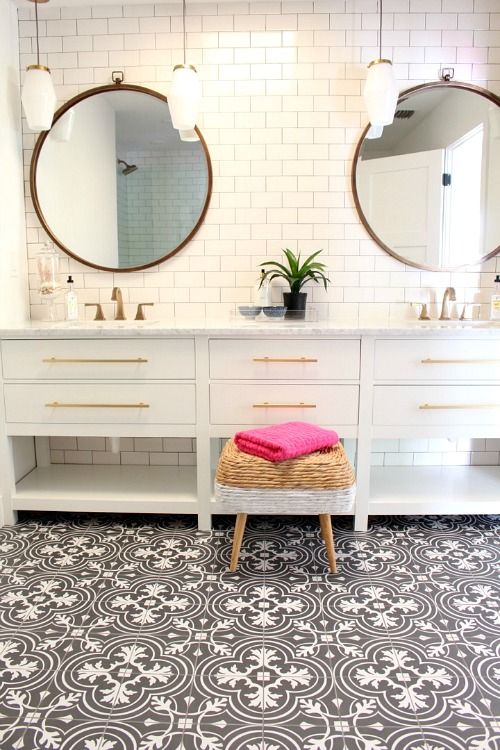
Shopping smart makes a difference too. You don’t need to buy everything from high-end showrooms. Mix and match by splurging on focal points like beautiful shower door hardware or a statement mirror while choosing budget-friendly options for things that don’t make as much visual impact.
Getting Accurate Quotes
Always get at least three detailed quotes from licensed contractors. Make sure each quote breaks down labor and materials separately, and covers the same scope of work so you’re comparing apples to apples.
Ask lots of questions. What happens if they discover problems? Who’s pulling permits? What’s the payment schedule? How long will it take? A contractor who gets irritated by questions probably isn’t someone you want to work with.
Check references and look at completed projects. A contractor might give you a great price, but if they take twice as long as promised or do sloppy work, that bargain becomes expensive.
The Bottom Line
Most homeowners spend between twelve thousand and twenty-five thousand dollars on a bathroom renovation. Your actual cost depends on your bathroom’s size, your material choices, how much you’re changing, and where you live.
The best approach is to figure out your absolute maximum budget, then plan for a renovation that costs about twenty percent less. That buffer gives you room for upgrades, unexpected issues, and all those little extras you’ll inevitably want along the way. A well-planned bathroom renovation is an investment that pays off in daily comfort and home value.