A Homeowner’s Guide: Steps to Stop and Clear Blocked Drains at Home
To let wastewater travel outside without making trouble, domestic plumbing systems depend on clear pipe passages, gravitational force, and water pressure acting together!
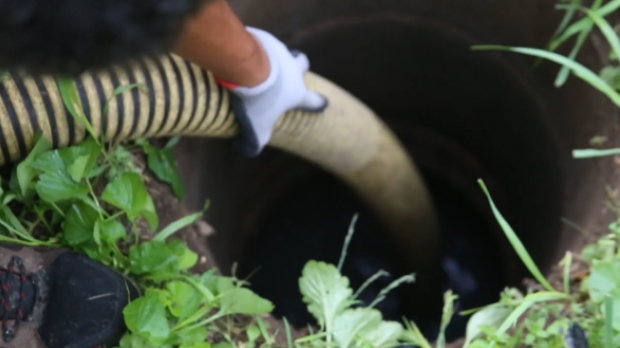
Day-to-day household chores—such as cleaning greasy dishes, bathing, or personal grooming—cause continuous waste particles to enter right inside the drain pipes. Hair strands, soap scum, fats, and mineral scales collect on inner pipe walls layer upon layer, making the passage tight and slowing down the water movement. If you leave these small delays alone without care, they cause total blockages, dirty water rising back up, and high expense for fixing damaged pipes.
Understanding how home drainage networks move water helps you follow simple preventative habits so major clogs cannot form easily. When checking which spots in plumbing fail most often, reading over technical advice from specialists like Browns Plumbing makes you see how pipe width, pipe material, and slope angle influence overall drainage speed. By maintaining simple checking habits, throwing away waste properly, and applying safe unclogging ways, a homeowner can keep all pipes working nicely all year round.
1. Main Reasons Why Drains Get Blocked
To prevent clogged drains, you must know what kinds of materials enter into your pipe lines and how they attach themselves to the inner walls.
Common Kitchen Drain Clogs
- Fats, Oils, and Grease (FOG): Warm liquid fats that people pour down sink drains cool down fast once they hit cold pipes. They turn solid, building thick layers that grab onto small food pieces floating past.
- Fibrous Food Scraps: Inside garbage disposals and curved trap bends, stringy vegetables, rice, eggshells, and coffee grounds absorb water and swell up big, forming dense plugs.
- Soap Residue: Regular bar soap leaves behind a greasy film layer that catches tiny debris particles traveling down under water pressure.
Common Bathroom Drain Clogs
- Hair Buildup: Strands of hair tangle around drain stoppers and metal crossbars in a snarl, making a net that holds soap scum and body oils.
- Foreign Objects: Tissues, cotton swabs, and wet wipes (even when the packaging claims “flushable”) do not break apart like toilet paper does, causing heavy blockages deep inside the main soil pipe.
- Mineral Scale: Water containing many minerals leaves calcium and magnesium deposits on PVC and metal pipe walls, creating rough surfaces where passing waste easily gets stuck.
2. Safe DIY Ways to Clear Drains
It is important to fix slow water flow right away so the pipe line does not shut down completely. Manual mechanical actions should always be attempted before choosing aggressive chemical methods.
How to Fix Slow Drains Step by Step
- Clean Stopper and Trap by Hand
Remove the shower drain cover or sink stopper using your fingers. Using needle-nose pliers or a small wire hook, extract the hair clumps that gathered near the top opening. - Plunge the Drain Correctly
The plunging method works because of water movement, not because of air pressure.- Make sure enough water remains in the basin so the rubber cup of the plunger gets covered under water completely.
- Cover any extra overflow holes using a wet cloth so you get a tight seal.
- Position the plunger cup straight over the drain opening and press down slightly to let out trapped air.
- Pump the plunger up and down with force for 20 to 30 seconds without breaking the tight seal.
- Pull the plunger away fast at the end to snap the vacuum seal and bring up the clogging debris.
- Use a Manual Drain Snake (Hand Auger)
If plunging does not work out, a manual drain snake must be used. Push the flexible cable down into the drain line until it hits the obstruction. Turn the crank handle in a clockwise direction so the wire hooks into the clog material, then pull the cable out slowly to draw the blockage out.
3. Why Liquid Chemical Cleaners Harm Pipes Over Time
Chemical liquid cleaners bought from stores seem very convenient, but for home pipe networks, they bring more drawbacks than real help. Most off-the-shelf chemical cleaners use heavy doses of sodium hydroxide or sulfuric acid to burn through organic matter.
Risks from Chemical Cleaners
- Damaged Metal Lines: Heat generated from chemical reactions can warp lightweight PVC pipes and corrode cast iron or galvanized steel lines.
- Broken Pipe Joints: Aggressive caustic liquids destroy rubber gaskets and joint glue, leading to hidden leaks inside walls.
- Safety and Environmental Hazards: If you must open and inspect pipes by hand later, chemical liquid sitting inside blocked traps creates dangerous burn risks for your skin and eyes.
4. Simple Daily Habits for Prevention
By doing a few simple routines on weekly and monthly schedules, you keep the pipes clean without needing chemical products or heavy mechanical tools.
Suggested Actions for Prevention
- Put Strainer Baskets in Place: Place fine mesh screens over all kitchen, bath, and shower drains so hair strands and food bits cannot go inside the drain line.
- Flush Lines with Hot Water: After washing dishes, run hot tap water down the kitchen drain for two minutes so fats do not stick and harden on the inner walls.
- Flush with Vinegar and Baking Soda Monthly: Pour half a cup of baking soda down the drain, then follow it up with one cup of white vinegar. Let the fizzing action work for 15 minutes, then use several gallons of boiling water to wash grease off the pipe walls.
5. Quick Drain Troubleshooting Guide
| Symptom | Primary Suspect | Recommended Action |
| Single slow sink | Local trap buildup | Clean stopper by hand & plunge |
| Multiple slow fixtures | Branch line blockage | Use manual hand auger |
| Gurgling noises in fixtures | Vent stack blockage | Check & clear roof vent |
| Foul odors from drains | Dry P-trap | Pour 1 gallon of water into fixture |
When you understand how wastewater travels inside pipes and address small problems as soon as they appear, you keep your home plumbing system in very good working condition.