Standing Water on a Paver Patio: Causes and Fixes
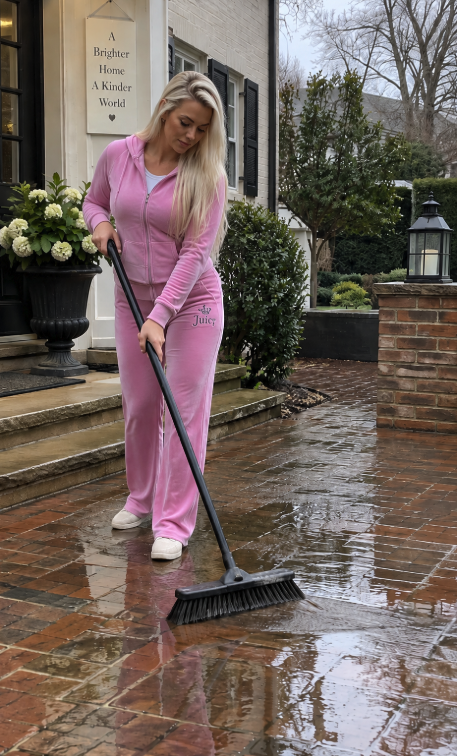
Do you have standing water that collects on your outdoor pavers? Here is how to fix it!
When you have a well-built paver patio, it should do much more than provide an attractive outdoor space. Sure, that is definitely one of the things that it does. But it also serves to effectively manage water. When the water drains properly, then the patio will remain stable, the pavers will stay level, and the surrounding landscape will be better protected. On the other hand, when it collects on the surface, or perhaps beneath the pavers, that can lead to a wide variety of problems. Read about some common drainage problems here.
Standing water is certainly not something you should ignore. It is also not a reason to panic, though. In a lot of cases, it can be traced to how the patio was designed or installed. So, when you understand how the water is meant to move through and away from a paver patio, you will have a much easier time identifying the actual cause of this particular issue, and thus choose the right solution.
Here is what you should know about how a paver patio is designed to handle water in the first place. Compared to a solid concrete slab, a paver patio consists of a few layers that work together. A typical installation includes compacted soil and aggregate base, bedding sand, concrete or stone pavers, joint material, edge restraints, and similar. All layers have their own purpose and proper water management certainly depends on all of them working well together.
So, in such a setting, rainwater should flow across the surface and away from the nearby structures. That is the first option. The second option is for it to move through the joints into a stable base that is designed to drain efficiently. When any of these parts of the system is compromised, then you could wind up having to deal with water collecting where it shouldn’t. Read more about permeable paving in general.
Poor Base Preparation
Since we are here to talk about the causes of standing water on a paver patio, and about the fixes for that matter, let us begin with one of the most common one. An improperly prepared base can definitely cause some issues. The aggregate base provides the foundation for the entire patio, supporting the pavers while allowing moisture to move through the system, instead of becoming trapped beneath it.
If it happens to be too shallow, made from unsuitable materials, or uneven, then water may collect beneath the surface instead of draining away. As time passes, this can weaken the foundation and lead to shifting or settling. This is why proper installation is important. And it requires using the correct aggregate type and compacting it thoroughly in layers.
Inadequate Compaction
Speaking of compaction, it can also be a cause for standing water accumulating on a paver patio. It affects more than stability. If the base isn’t compacted properly, pockets of loose material can remain beneath the actual pavers. Areas like those can settle unevenly after the installation is completed, thus creating low spots where liquid can collect.
Professional installers are definitely aware of this. So, they typically compact the aggregate in multiple lifts instead of placing the entire base all at once. That kind of an approach leads to a more uniform foundation that will support not only the patio, but also its drainage system.
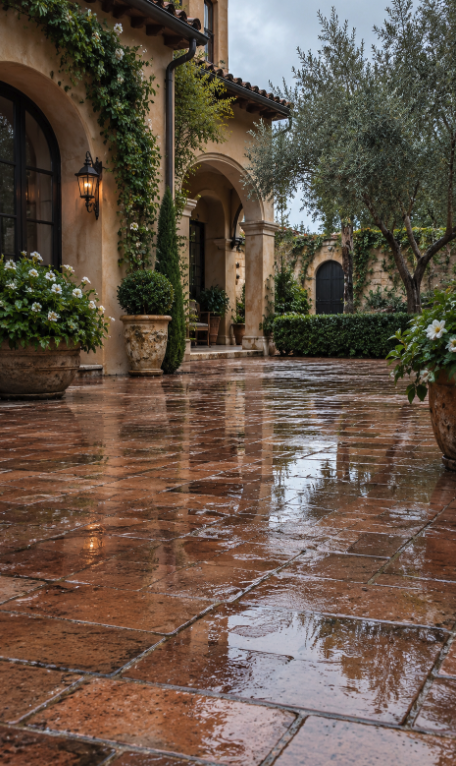
Insufficient Slope
A properly constructed patio needs to direct the water somewhere, to put it that way. And a slight slope will direct it from the surface before it even has the opportunity to accumulate. As you probably know already, a patio should slope away from the house. Without adequate slope, the water could wind up collecting in low areas, thus increasing the likelihood of puddles after irrigation or rainfall.
Wrong Slope Direction
Now, the direction of the slope also matters. If the patio is pitched toward the home’s foundation, then it will send the water toward it. Collecting near the foundation, the water can increase moisture around the building over time. Of course, not every patio sloping toward a house will automatically cause damage, but directing it away from the home is usually the best choice.
This further underlines the importance of one thing, which is also the solution to these standing water problems. To put it simply, you need professional paver patio installation, so make sure to choose the right pros to do it for you. This way, you will avoid most of these issues. And if you are facing the issues, then you should call in the pros to fix them for you.
Choosing the right experts is an absolute must here, because you don’t want to work with just anyone. Take your time to research different pros in your area. Check their experience and reputation, and the services they are offering. In the end, also compare the prices, while keeping in mind everything else you need to know, so that you can ultimately make the wisest choice.