Small Structural Improvements That Protect Your Home Long-Term
You don’t always see the parts of your home that protect it. You notice the fresh paint, the updated fixtures, or the new landscaping. But the real strength of your home comes from the structural details working quietly behind the scenes!
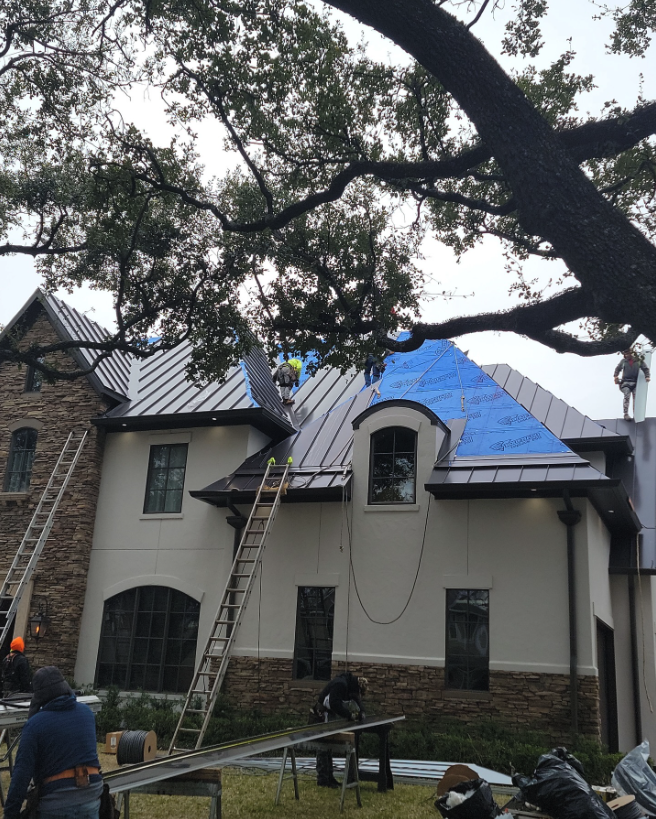
Over time, wind, rain, temperature changes, and daily use slowly wear things down. A loose bracket here. A small crack there. A worn seal that lets in just a bit of moisture. None of it seems urgent in the moment. That’s usually how larger problems begin.
Long-term protection isn’t about tearing down walls or starting massive renovations. It’s about small, consistent improvements that reinforce what you already have. When you focus on structural details early, you prevent costly damage later.
Strengthening Large Exterior Entry Points
One of the most overlooked structural elements of your home is the garage entrance. It’s one of the largest moving components attached to the house, and it faces constant exposure to weather and daily use.
Upgrading or maintaining garage doors through professional installation, balanced spring systems, reinforced panels, and proper weather sealing can significantly improve durability and reduce strain on your home’s framing. A well-supported system helps maintain structural stability, especially during heavy wind or seasonal changes.
Insulated models also offer added protection. They help regulate indoor temperatures and reduce moisture buildup, particularly if your garage connects directly to your living space. Even small improvements like replacing worn rollers, tightening hardware, or updating seals can strengthen the entire opening and prevent future damage.
When this large entry point operates smoothly and securely, it supports both your home’s structure and your daily routine.
Improving Drainage to Protect the Foundation
Water is one of the biggest threats to any home’s structure. If it pools near your foundation, it can slowly weaken concrete and shift soil.
Start by checking your gutters. When they clog, rainwater spills over the sides and settles near your foundation. Cleaning them regularly prevents overflow. Adding gutter guards can reduce buildup and make maintenance easier.
Downspouts should direct water several feet away from your home. If they don’t, simple extensions can solve the problem. You should also check the slope of the ground around your house. Soil should angle slightly away from the foundation to keep water from collecting at the base.
These small adjustments protect your foundation from long-term stress.
Reinforcing Roof Edges and Flashing
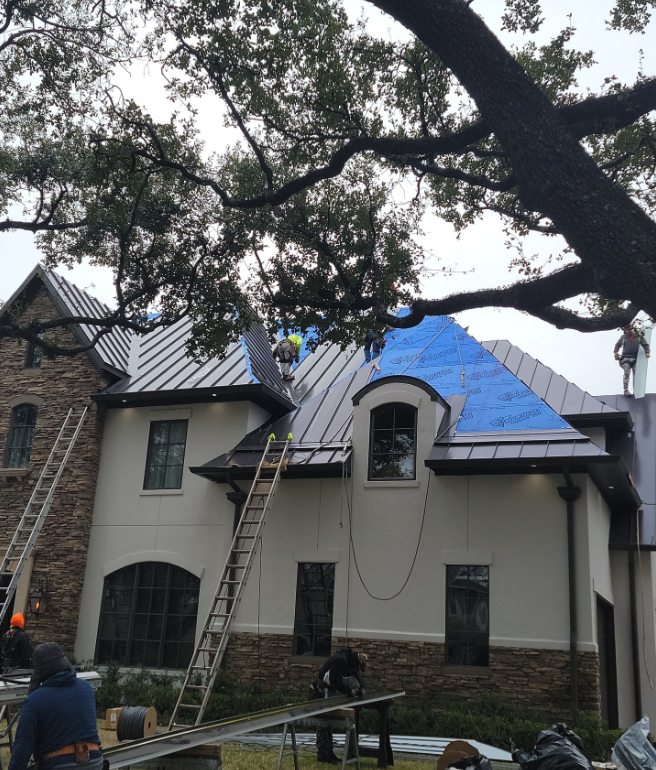
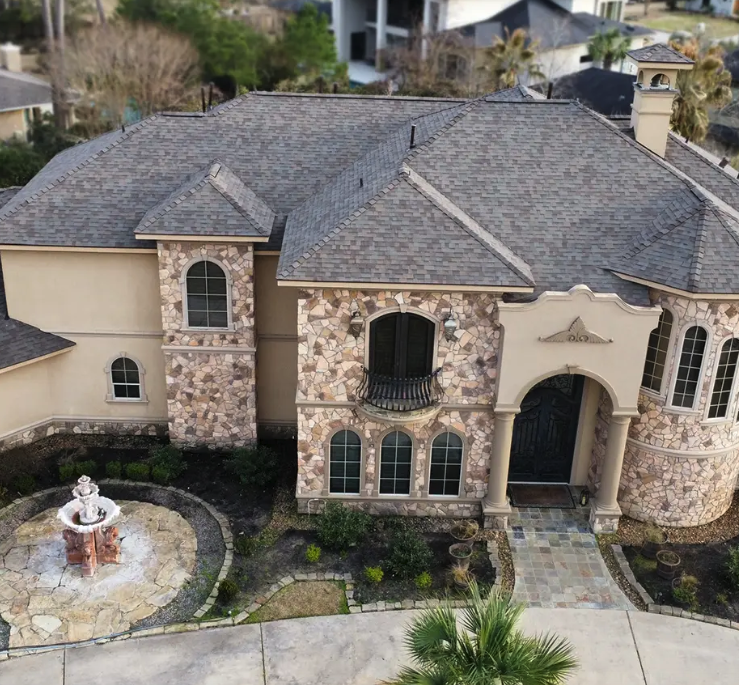
Your roof does more than shield you from rain. It protects the structural framing underneath. While shingles often get attention, flashing and roof edges deserve equal care.
Flashing seals areas around vents, chimneys, and skylights. If it cracks or lifts, water can sneak underneath and cause hidden damage. Inspecting these areas once or twice a year helps you catch early signs of wear.
Roof edges are especially vulnerable to strong winds. Securing loose materials and replacing damaged sections reduces the risk of storm damage.
Preventive reinforcement now can save you from extensive repairs later.
Sealing Windows and Exterior Doors
Tiny gaps around windows and exterior doors may not look serious, but they allow moisture and air to enter your home.
Inspect caulking around window frames. If you notice cracks or peeling, remove the old sealant and apply a fresh layer. Replace worn weatherstripping around doors to maintain a tight seal.
These simple steps improve energy efficiency and prevent moisture from entering the walls. Over time, that moisture can weaken framing and lead to mold growth. Sealing gaps protects both structure and comfort.
Monitoring and Repairing Minor Foundation Cracks
Hairline cracks in concrete are common. Not all cracks mean serious trouble, but they shouldn’t be ignored.
Small cracks can allow water to seep inside. Sealing them early prevents further expansion and protects against moisture intrusion. Keep an eye on any changes in width or length. If cracks grow larger or appear in multiple areas, it may be time to consult a professional.
Catching foundation concerns early prevents more expensive structural repairs later.
Upgrading Exterior Hardware and Fasteners
Small hardware components play a bigger role than you might think. Rusted screws, loose brackets, and aging fasteners can slowly weaken the structures they support. What looks like a minor issue on the surface can allow movement over time, and that movement puts stress on wood, siding, and framing.
Take a closer look at deck connections, porch railings, fence posts, shutters, and exterior light fixtures. If hardware is corroded or pulling away from the surface, it’s no longer providing full support. Moisture and changing temperatures cause metal to expand and contract, which can loosen connections year after year. Replacing old fasteners with galvanized or stainless-steel options helps prevent future rust and extends durability.
It’s also important to check anchor points where decks attach to the house. These areas carry significant weight and should feel solid and secure. Tightening loose bolts and reinforcing brackets can prevent sagging and long-term structural strain.
These small updates don’t require major renovation, but they add real stability. By reinforcing the connections that hold everything together, you strengthen the overall structure of your home and reduce the risk of larger repairs down the road.
Adding Simple Storm Reinforcements
If you live in an area that experiences strong winds or heavy storms, a few reinforcements can go a long way.
Storm clips help secure roofing materials more tightly to framing. Reinforced door frames and secure latching systems add protection against wind pressure. Even basic protective coverings for windows during severe weather can prevent costly damage.
You don’t need to rebuild your home to improve resilience. Strategic reinforcements strengthen what you already have.
The Long-Term Benefits of Small Improvements
When you consistently address small structural concerns, you extend the life of your home. You reduce the risk of emergency repairs and protect your property value.
Proactive care also improves safety. Secure entry points, stable framing, and moisture protection all contribute to a stronger living environment.
Structural improvements may not always be visible, but they provide lasting benefits. They protect everything inside your home, from your belongings to your peace of mind.
You don’t have to take on massive renovations to protect your home long-term. You need to pay attention to the details that matter.
Strengthen large entry points. Improve drainage. Seal gaps. Monitor your foundation. Reinforce hardware. Each small step builds additional protection.
When you treat maintenance as a regular habit instead of a last-minute fix, you reduce stress and avoid unnecessary expenses. Your home supports you every day. Giving it steady care ensures it remains safe, stable, and strong for years to come.