The Overlooked Connection Between Home Maintenance and Long-Term Structural Health

Home maintenance. A bunch of chores that modern homeowners don’t have time for. If only it were that simple!
Proactive maintenance identifies emergent issues before they proliferate. It informs homeowners on next steps for protecting their (likely) most precious investment. Keep reading as we explore the crucial link between home maintenance and long-term structural health.
Roof Inspections
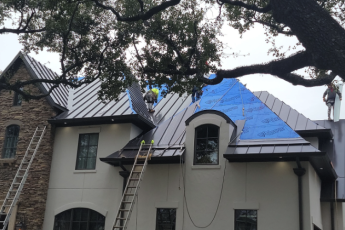
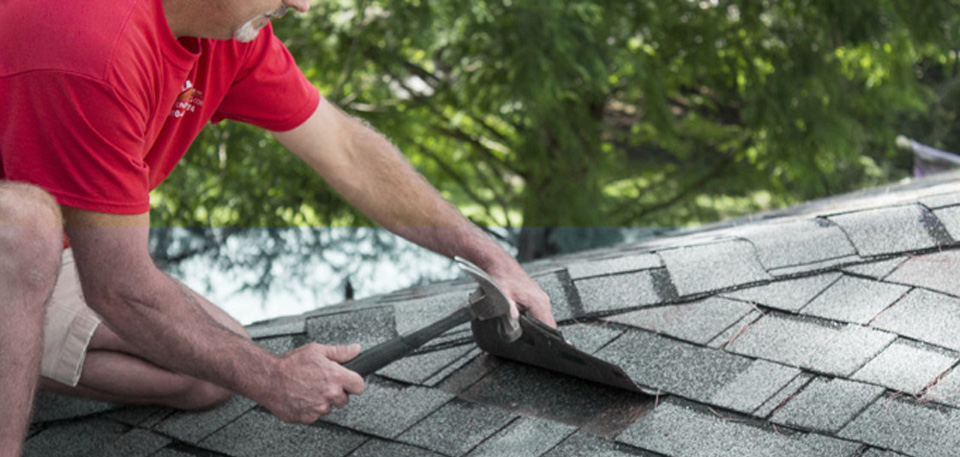
Out of sight, out of mind. Unfortunately, the rule of the day when it comes to most roofs. Homeowners don’t do anything until they notice a leak. At that point, it’s already too late. Stay ahead of unexpected roof breakdown with regular inspections. Ideally, once a year. Every two years at the most.
A professional set of eyes will analyze beyond the shingles. They will assess the condition of the substrate and flashing. If they see an issue, they can recommend a preferred course of action. They will also provide top-notch documentation for insurance and appraisal purposes.
Gutter Cleaning
Hand-in-hand with roof inspection goes gutter cleaning.
Precipitation from the roof should enter the gutters and flow away from the home. When there is a clog, there are a couple of things that could happen:
- Water overflowing at the clog will pool directly at the base of the house. This constant moisture saturation will lead to hydrostatic pressure. This pressure can cause the foundation to crack.
- Instead of overflowing, the water may back up at the clog. Roof deck. Eaves. Fascia board. All are at risk when this backflow occurs.
Moisture Control
Water, it’s a building block of life. However, when left unchecked, it can wreak untold havoc. Especially on the bones of the home. We’ve already touched the roof and gutters. These are obviously two major areas susceptible to moisture damage. They’re just the tip of the iceberg.
Take the windows. Over time, small cracks begin to form in the window-to-wall transitions. This is a natural point of weakness for moisture ingress. Use a silicone-based sealant to shore up these cracks.
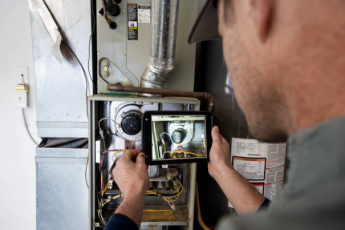
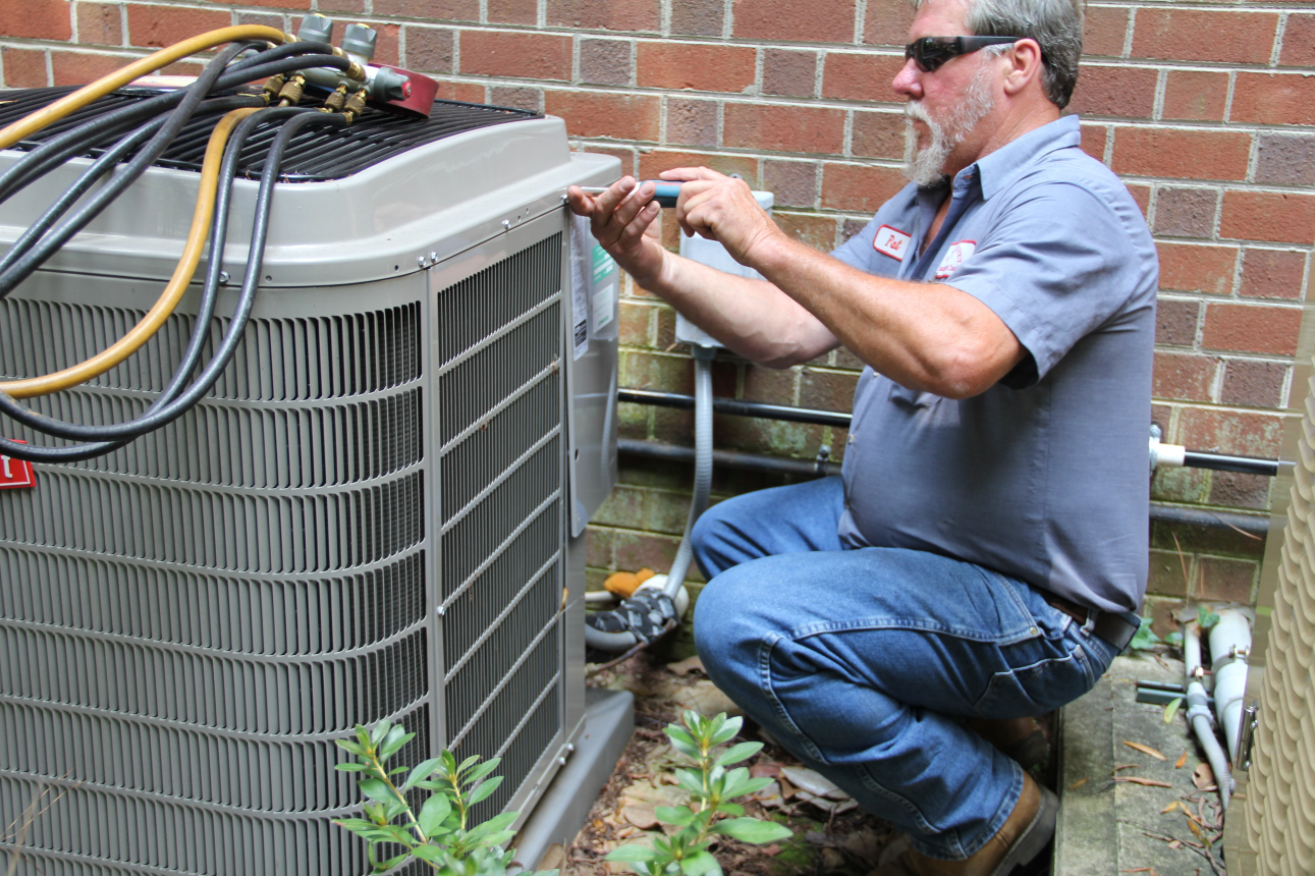
Plumbing and HVAC are also common victims of moisture-related issues. Stay ahead of small leaks. Call for professional inspection and service as necessary, especially for HVAC ducts.
Siding Care
Outside of the roof, no component of the home’s building envelope gets tested by Mother Nature quite like the siding. The cladding will face threats from precipitation, pests, winds, and solar rays. When any of these forces break through, the siding can no longer do its job as a first line of defense.
Proper siding care will vary based on material type. Wood siding should be painted roughly every 5 years to enhance its moisture resistance. Similarly, brick cladding needs to be sealed along the same timeline to remain nonporous. More durable composites, such as fiber cement and steel log, need to be gently washed every 18 months or so to knock away standing debris for ongoing performance.
Savvy Material Selections for Long-Term Structural Health
No matter how well you maintain your home, there will come times when replacements are needed. For example, poorly maintained cedar shingle roofing will require full replacement in as little as 20 years. Well-maintained cedar (debris cleaning, preservative treatments) can last up to 40. Therefore, if you reach the point where replacement is necessary, here are some innovative options well-suited to retrofitting:
- Composite roofing shingles – Lightweight. Easy to work with. The highest rating for fire and impact. Should last over 50 years with minimal maintenance requirements.
- Hurricane-grade storm windows – Reinforced glass panes set in steel frames. Can withstand winds up to 250 MPH. A premier option for withstanding extreme weather events.
- Fiber cement siding – Inorganic for elite pest, fire, and moisture protection. Diverse aesthetics that do not need to be painted for ongoing curb appeal.
By choosing any of these low-maintenance options, homeowners can ensure long-term structural health while limiting ongoing upkeep.
Seasonal Tips for Home Maintenance
There is never a bad time to invest TLC into your home. However, the seasons often provide a general framework with which to plan maintenance activities.
Spring – This is the season to refresh. Clean the gutters. Have the roof inspected. Check around the house for signs of water damage wrought by standing snow. Make sure the A/C is in good condition for the warming temperatures.
Summer – Turn your attention to the exterior. Clean and stain decks and fences. Check the foundation for signs of cracks. Clean the dryer vent to mitigate the risk of fires. Assess the condition of the garage door.
Fall – Get a leg up on winter. Circle back to the gutters, which are a repository for the falling leaves of autumn. Inspect the condition of your heating system. Make sure the insulation is airtight, paying special attention to the caulk and weatherstripping around windows and doors.
Winter – Focus on interior maintenance. Test the smoke and carbon monoxide detectors. Clean appliances and check the range hood filter. Monitor the pipes for signs of freezing.
Stay One Step Ahead of Structural Issues with Proactive Home Maintenance
Home maintenance is more than busywork for retirees with too much time on their hands. It’s a crucial component for protecting the home’s long-term structural health. Use the best practices listed above and consider any of the savvy material choices to guarantee that the integrity of your home is never compromised. For more of the latest trends in home and renovation, explore the content at Better Housekeeper for ideas and inspiration!