How to Turn Your Garage into a Functional Home Gym
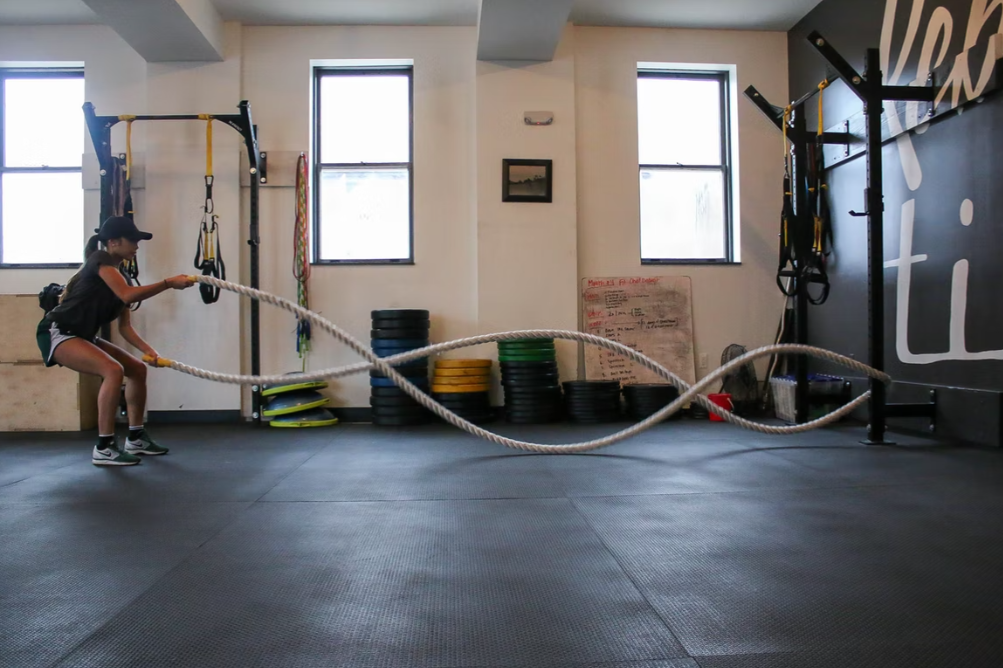
A garage gym becomes part of daily life once the space is revamped with intention. The environment influences consistency, focus, and safety. Airflow, surface stability, and structural support all play a role in how often the room gets used!
Effective planning turns a standard garage into a training space that feels purposeful from the moment you step inside.
Living in The Woodlands, TX, brings climate into the conversation. Heat and humidity settle quickly inside enclosed garages, especially during long summer stretches. Seasonal storms and moisture also affect insulation and air quality. A functional gym in this area depends on preparation that supports steady temperature, clean airflow, and durable materials.
Start with Door Performance
The garage door affects insulation, airflow, and interior comfort. A tight seal along the base and sides helps maintain stable air inside the gym. Smooth track movement and properly tensioned springs keep daily access safe and reliable. Weather stripping and insulated panels help reduce heat transfer during warmer months.
Many homeowners schedule inspections with experts for garage door maintenance in The Woodlands, TX, to check rollers, tracks, and seal integrity. Professional servicing can improve alignment and reinforce insulation performance. Once the door closes firmly and seals consistently, the garage holds a controlled environment that supports training sessions throughout the year.
Improve Ventilation and Air Circulation
Air circulation supports endurance and comfort during workouts. A garage without airflow can trap humidity and create heavy air. Installing ceiling fans or wall-mounted exhaust fans keeps air moving across the room.
A ductless mini-split system can regulate both airflow and temperature. Portable floor fans positioned near cardio equipment help distribute air evenly during longer sessions. Clean circulation protects equipment from moisture buildup and supports steady breathing throughout each workout.
Reinforce Walls for Mounted Equipment
Mounted racks, pull-up bars, and shelving units place repeated stress on wall framing. Reinforcing studs with plywood backing panels creates secure anchor points for hardware. Solid mounting keeps equipment stable during strength training sessions.
Before installation, verify stud spacing and confirm load capacity. Reinforced framing distributes weight evenly across the wall. Stable mounting contributes to safety and long-term durability within the gym.
Use Wall-Mounted Storage to Free Floor Space
Clear floor space allows smooth movement between exercises. Storing plates, dumbbells, and resistance bands on wall racks keeps the training area organized. Vertical storage systems hold equipment securely without crowding walkways.
Placing plate racks near the squat station keeps weight changes efficient. Hooks for bands and belts maintain order along the perimeter. Organized storage creates a focused environment that supports workout flow.

Upgrade Flooring for Shock Absorption and Stability
Rubber flooring adds cushioning and traction across the gym surface. Stall mats or interlocking gym tiles absorb vibration from strength training sessions. A stable surface supports balance during lifting and mobility drills.
Thicker mats beneath heavy lifting zones protect the slab and reduce impact noise. Textured rubber improves grip during lateral movement exercises. Durable flooring forms the foundation of a training space designed for consistent use.
Incorporate Mirrors Strategically
Mirrors support form awareness and spatial orientation during training. A full-length mirror placed along the primary lifting wall allows you to monitor posture, bar path, and alignment in real time. Clear visibility helps maintain consistency in technique during strength sessions.
Mount mirrors securely and align them with the main rack or open training zone. Avoid placing them directly opposite bright lighting to reduce glare.
Keep Storage Separate from Workout Space
A garage often serves multiple purposes, which can blur the identity of the gym. Creating separation between household storage and training equipment preserves clarity within the space. Enclosed cabinets or partition walls help contain seasonal items, tools, or cleaning supplies.
Designating one side of the garage strictly for fitness activities reinforces routine and structure.
Plan Equipment Placement Around Movement Flow
Equipment layout influences how smoothly a workout unfolds. Position strength equipment along perimeter walls to anchor the space and maintain open movement lanes. Cardio machines can sit near windows or the garage door to create a sense of openness during longer sessions.
Leave adequate clearance between stations to allow safe transitions between exercises. Clear pathways prevent congestion and support efficient circuit training.
Incorporate Smart Technology for Tracking Progress
Digital tools can add structure and accountability to a home gym setup. Mount a tablet or screen on the wall to access training programs, timers, and performance tracking apps. Wireless speakers provide audio cues or guided instruction without cluttering the floor.
Concealed cable management keeps devices organized and visually clean. Integrating technology into the design supports goal tracking while maintaining a streamlined appearance.
Consider Foldable or Modular Equipment
Foldable racks, wall-mounted benches, and stackable storage systems allow flexibility within the garage. Equipment that folds flat against the wall opens up space for mobility work or stretching sessions.
Modular pieces make it possible to rearrange the gym layout based on the day’s training plan. Adaptable equipment keeps the space functional while preserving open areas for movement.
Personalize the Space for Motivation
A garage gym should align with your training goals and personality. Framed milestones, clean wall graphics, or a dedicated progress board reinforce commitment. Lighting accents near the main rack can highlight the central training area.
Color choices and layout details influence mindset during workouts. Personal touches create familiarity and consistency, which support long-term routine.
A functional garage gym depends on preparation, structure, and thoughtful layout. Door performance, ventilation, reinforced walls, organized storage, and durable flooring establish the physical foundation. Equipment placement, technology integration, and personalized details shape daily use.