After the Storm Clears: The Home Repairs You Can’t Afford to Skip This Season
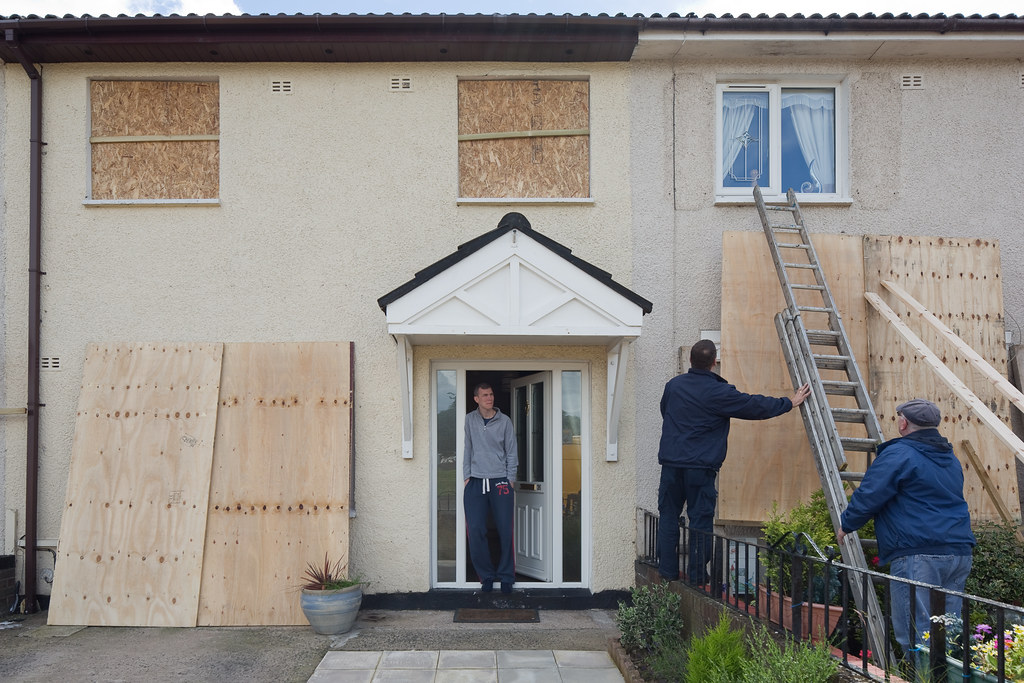
Storms don’t just make a mess — they leave behind damage that gets worse the longer you ignore it!
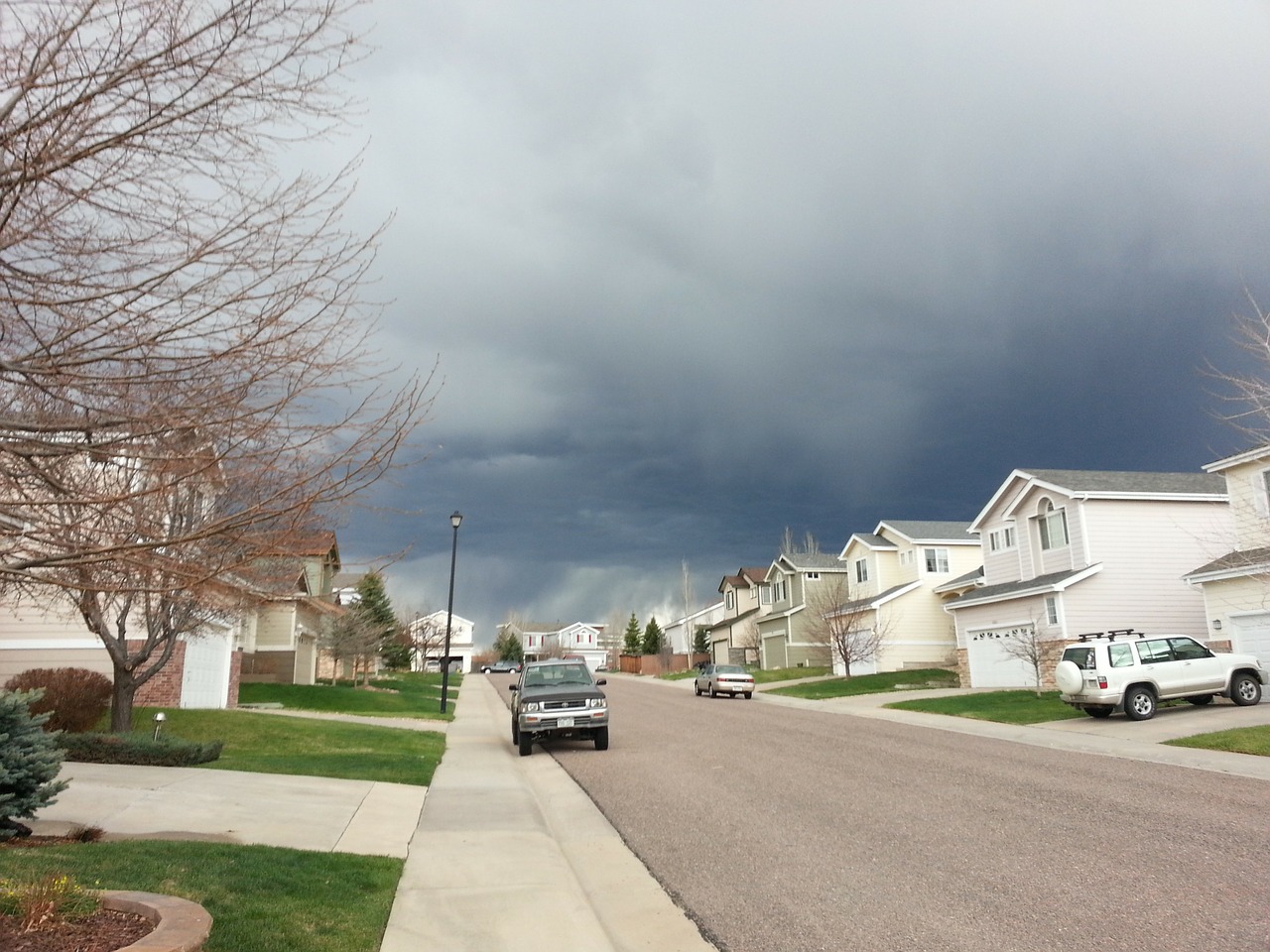
What looks like a minor issue on the outside can quietly turn into a major problem on the inside. Once the skies clear and it’s safe to walk around your property, it’s time to take a serious look at what the storm left behind. Here are the repairs you absolutely cannot put off this season.
Start With Your Roof
Your roof takes the hardest hit in any storm. Wind, hail, and falling debris can crack, loosen, or strip away shingles in ways that aren’t always visible from the ground. Even a small gap in your roof’s surface lets water in, and water is your home’s worst enemy.
After a storm, look for missing or curled shingles, dark spots on your ceiling, or granules collecting in your gutters. These are all signs that your roof has taken a hit. Don’t wait for the next rainfall to confirm the damage — by then, it’s already soaking into your insulation and framing.
Don’t Overlook the Gutters
Gutters rarely get the attention they deserve, but they play a critical role in protecting your foundation, siding, and landscaping. Storm debris — leaves, twigs, and dirt — can clog gutters fast, causing water to back up and spill over the edges.
That overflow doesn’t just puddle on the ground. It works its way into your fascia boards, drips behind your siding, and can eventually compromise your foundation. Clean and inspect your gutters after every major storm. Look for sagging sections, cracks, or areas that have pulled away from the roofline.
Siding Takes More Abuse Than You Think
High winds can crack vinyl, loosen panels, and drive debris directly into your home’s exterior. Damaged siding doesn’t just look bad — it creates entry points for moisture, insects, and cold air. Once water gets behind your siding, mold and rot aren’t far behind.
Walk the full perimeter of your home and look closely at every panel. Pay attention to corners, seams, and anywhere near windows or doors. These are the spots most likely to show damage first. If you notice any warping, holes, or sections that have come loose, address it quickly before the next storm rolls through.
Windows and Doors: Check the Seals
Storm winds put pressure on the seals around your windows and doors. You might not see obvious damage, but a broken seal can allow drafts and moisture to sneak in without any visible cracking. Run your hand along the edges of your windows and doors on a windy day. If you feel airflow, the seal needs attention.
Cracked caulking, broken weatherstripping, and damaged frames all need to be fixed before they create bigger problems. These are relatively low-cost repairs that can save you significantly on heating and cooling bills — and prevent water intrusion that leads to mold.
Inspect Your Attic
Most homeowners never think to check the attic after a storm, but it’s one of the best places to spot hidden damage. If your roof has been compromised, your attic will show it first. Look for water stains on the wood framing, daylight peeking through the roof boards, or insulation that’s wet or compressed.
Catching a roof leak from the inside — before it makes its way to your living space — can save you thousands in drywall and structural repairs.
Trees and Debris Around the Foundation
Storm damage isn’t always about the house itself. Look at what’s sitting against it. Fallen branches, piled-up debris, and standing water near your foundation can all cause problems over time. Organic material holds moisture, and moisture against your foundation invites rot, pests, and eventually structural issues.
Clear it all away. Check for any cracks in your foundation while you’re at it. Small cracks can expand with freeze-thaw cycles, so it’s worth sealing them early.
When to Call in the Professionals
Some repairs are well within the reach of a confident homeowner. But roofing, siding, and structural issues are best left to professionals who know what they’re looking at and can fix it right the first time.
If you’re in the Northeast and want a team that takes storm damage seriously, noreastexteriors.com is a solid resource for exterior repairs and inspections. Getting a professional assessment after a major storm is always a smart move — especially before filing an insurance claim.
Act Now, Not Later
The biggest mistake homeowners make after a storm is waiting. Damage doesn’t stay the same size — it grows. A loose shingle becomes a leak. A clogged gutter becomes a flooded basement. A cracked seal becomes a mold problem.
This season, commit to a thorough post-storm inspection. Your home took care of you during the storm. Now it’s time to return the favor.